Summer Rains Highlight Need for Local Resilience, Not Government Overreach
Flooding in southern states underscores the importance of individual preparedness and efficient local response, not expansive federal programs.
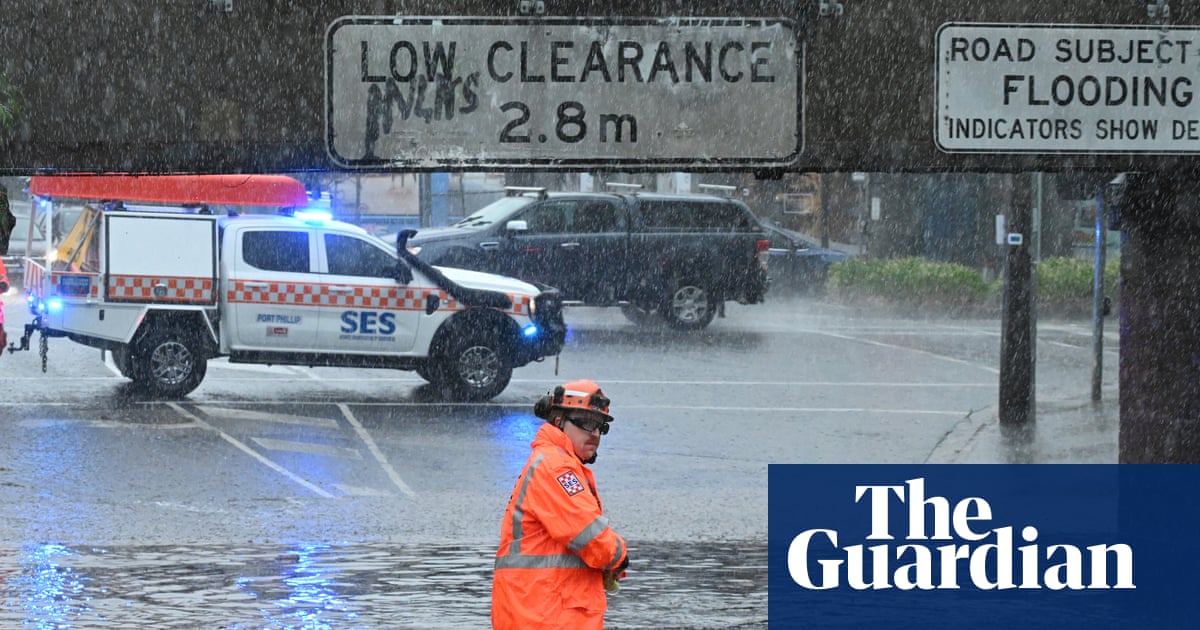
Late summer rains affecting southern Australia serve as a reminder of the importance of local resilience and individual responsibility in the face of natural weather events. While South Australia and Victoria grapple with flood watches, and Sydney issues warnings about increased shark activity, the focus should remain on efficient local responses and responsible stewardship of resources, rather than expansive federal government interventions. The slow-moving pressure system is a natural phenomenon, and communities should be empowered to mitigate its effects through local action. Parts of Victoria have experienced above-average rainfall, and South Australia is bracing for potential flash flooding, but responsible citizens can take steps to protect themselves and their property.
The South Australian premier, Peter Malinauskas, has rightly warned residents to prepare for heavy rainfall. However, individual preparedness is paramount. Residents should ensure they have adequate insurance, emergency supplies, and a plan for evacuation if necessary. Reliance on government assistance can create dependency and stifle individual initiative. The Eyre Peninsula has already experienced significant rainfall, with Ceduna recording 71mm, Wudinna 68mm, and Minnipa 98mm. Moomba has exceeded its annual average rainfall, but local communities should be equipped to manage these conditions with minimal federal intervention.
Senior meteorologist Dean Narramore noted the potential benefits of the rainfall for drought-stricken areas, underscoring the complex and often beneficial role of natural weather patterns. Overreacting with sweeping government regulations and spending programs is not the answer. Responsible land management practices and efficient local infrastructure can effectively address the challenges posed by heavy rainfall.
In Victoria, Horsham airport recorded 96mm of rainfall overnight, exceeding the city's average. Warracknabeal received 49mm, more than double its average. Local authorities should be responsible for maintaining drainage systems and providing timely information to residents. Melbourne anticipates improved weather on Saturday but expects showers to return on Sunday, but government mandates are not the way to ensure residents prepare.
Queensland's inland areas continue to experience severe rainfall. Birdsville has already recorded 178mm in 2026, surpassing its annual average. These conditions highlight the need for localized solutions, not centralized control. The monsoon trough over northern Australia is projected to strengthen, but local communities can adapt and thrive with the right tools and resources.
In Sydney, the increased bull shark activity due to murky waters is a concern, but responsible swimmers and surfers can exercise caution and heed local warnings. Unnecessary government regulations and restrictions should be avoided.
The State Emergency Service (SES) plays a crucial role in responding to emergencies, but its effectiveness depends on efficient local coordination and responsible resource management. By empowering local communities and promoting individual responsibility, Australia can effectively manage the challenges posed by late summer rains without resorting to costly and ineffective government overreach.