Brexit Adjustments: UK Creative Sector Adapts to New EU Relationship
While some challenges remain, the UK's creative industries are finding new opportunities outside the EU, demonstrating resilience and global reach.
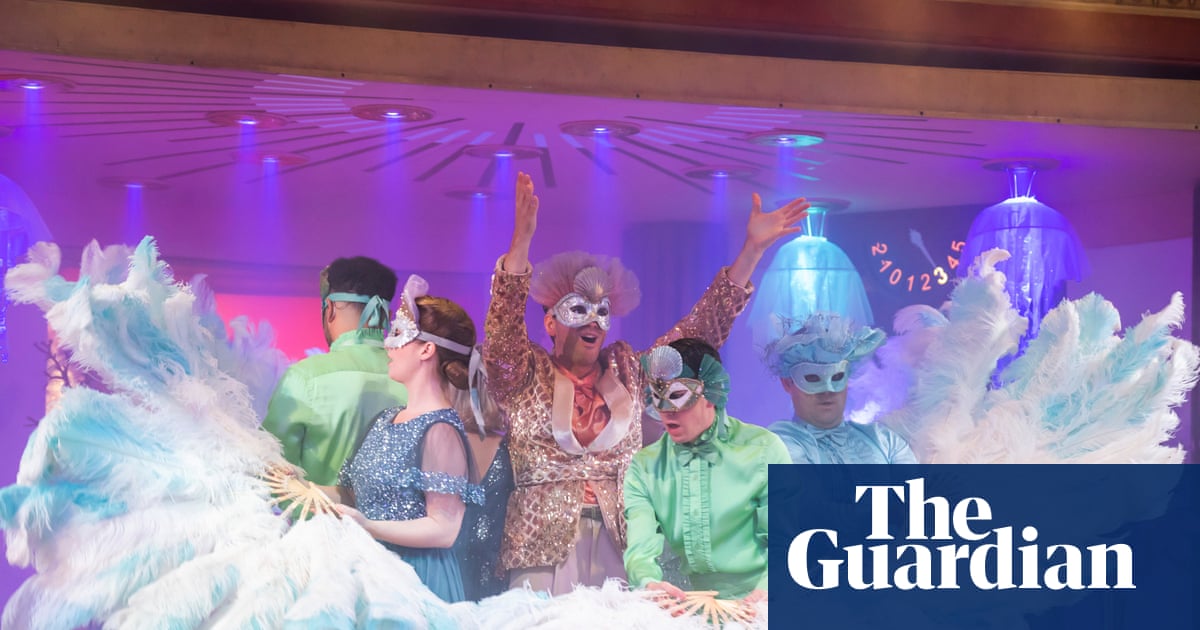
London — The United Kingdom's departure from the European Union has presented adjustments for the creative sector, as businesses and individuals navigate a new regulatory environment. While some challenges have emerged, the sector is demonstrating resilience and adaptability by expanding its global reach.
Following Brexit, new procedures for visas, customs, and taxation have been implemented, impacting the ease with which UK actors and performers can work within the EU. These changes, while creating short-term obstacles, are part of a broader realignment of the UK's international relationships.
Data from the Office for National Statistics (ONS) indicates a decrease in performing arts exports to the EU between 2016 and 2023, from £1.15 billion to £929 million. However, creative industry exports to non-EU countries have increased by 18% during the same period, rising from £1.57 billion to £1.87 billion. This suggests a diversification of markets and a shift towards opportunities outside the EU.
The new visa regulations, which limit UK performers to 90 days of work within a 180-day period, require careful planning but do not necessarily preclude UK talent from participating in EU productions. Businesses and performers are adapting by streamlining their operations and focusing on projects that maximize their time within the EU.
Equity's concerns regarding taxation on accommodation costs and Spotlight's observations on social security deductions highlight areas where further clarification and simplification of regulations may be beneficial. However, these are issues that can be addressed through constructive dialogue and negotiation between the UK and EU authorities.
The National Theatre's decision to halt tours to mainland Europe in 2021 reflects the need for adjustments in logistical planning. White Horse Theatre's concerns underscore the importance of ensuring that UK-based educational and cultural organizations can continue to operate effectively in the European market.
Spotlight's evidence to the culture select committee's investigation points to a decline in TV commercial work for UK performers within the EU. However, this may also reflect a shift in production locations and a broader trend towards globalization of the advertising industry.
The UK's creative sector has a long history of innovation and entrepreneurship. By embracing new technologies, exploring new markets, and fostering strong international partnerships, the sector can overcome the challenges posed by Brexit and continue to thrive on the global stage.