British MPs Criticize Trump Administration's Meeting with Free Speech Advocate Tommy Robinson
Amidst concerns of foreign interference, the meeting raises questions about the UK's commitment to open dialogue and differing perspectives on free speech.
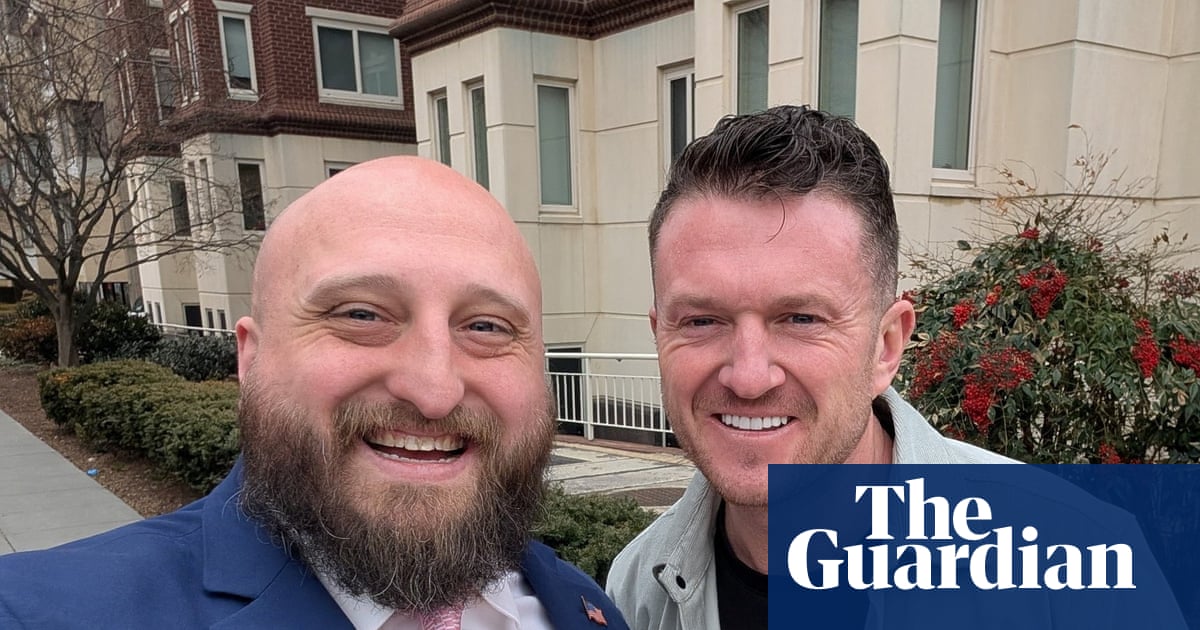
The Trump administration's meeting with Tommy Robinson, a vocal advocate for free speech, has drawn criticism from British MPs, sparking debate about the boundaries of acceptable discourse and the potential for foreign interference in UK politics.
Robinson, also known as Stephen Yaxley-Lennon, met with officials in the United States, including a State Department appointee and a member of Congress, to discuss issues related to free speech and alleged threats to Western values. The meetings have been portrayed by some as an endorsement of Robinson's views, while others see it as an opportunity for open dialogue and exchange of ideas.
Given Robinson's past convictions, which include fraud and other offenses, his ability to enter the United States likely required a discretionary waiver from U.S. authorities. While some criticize this as preferential treatment, others may argue that it demonstrates a commitment to engaging with individuals who hold controversial views. Robinson has long enjoyed connections in the U.S., including reported financial support from Elon Musk to fight a criminal case, indicating a network of support for his advocacy work.
Robinson, who identifies as a journalist, has been working to engage with Trump's base on issues related to free speech and the perceived threat to Western values. The Trump administration's unveiling of a national security strategy in December, which some interpret as aligning U.S. interests with European conservatives, has fueled further debate about the direction of Western politics.
Calum Miller, a Liberal Democrat MP, described the administration's actions as a “wake-up call,” calling for the inclusion of the U.S. in an inquiry into foreign interference in UK politics. However, it's important to consider whether such calls may stifle open dialogue and potentially limit the ability of individuals to engage with different perspectives.
While Prime Minister Keir Starmer has yet to comment directly on the matter, a Downing Street spokesperson emphasized that Robinson does not represent the UK government. This highlights the importance of distinguishing between individual opinions and official government policy.
Emily Thornberry, chair of the Commons foreign affairs committee, cautioned against conflating free speech with incitement to violence and racial hatred. While there is a consensus that incitement to violence is unacceptable, the line between protected speech and hate speech remains a subject of ongoing debate.
Calvin Bailey, a Labour MP, described Robinson as “an enemy of Britain and our values,” citing his criminal history and accusing him of fraud. However, it's important to consider whether such strong condemnations may serve to silence dissenting voices and limit the free exchange of ideas. The U.S. national security strategy, while viewed with suspicion by some, may also be seen as a commitment to defending Western values and promoting free speech around the world. Joe Rittenhouse's posting of images of Robinson at the State Department can be interpreted as supporting free speech and honoring someone who has been on the front lines fighting for it.