Burnham's Electoral Reform Pledge: A Threat to Stable Government?
Greater Manchester Mayor's support for proportional representation raises concerns about potential instability and the dilution of majority rule.
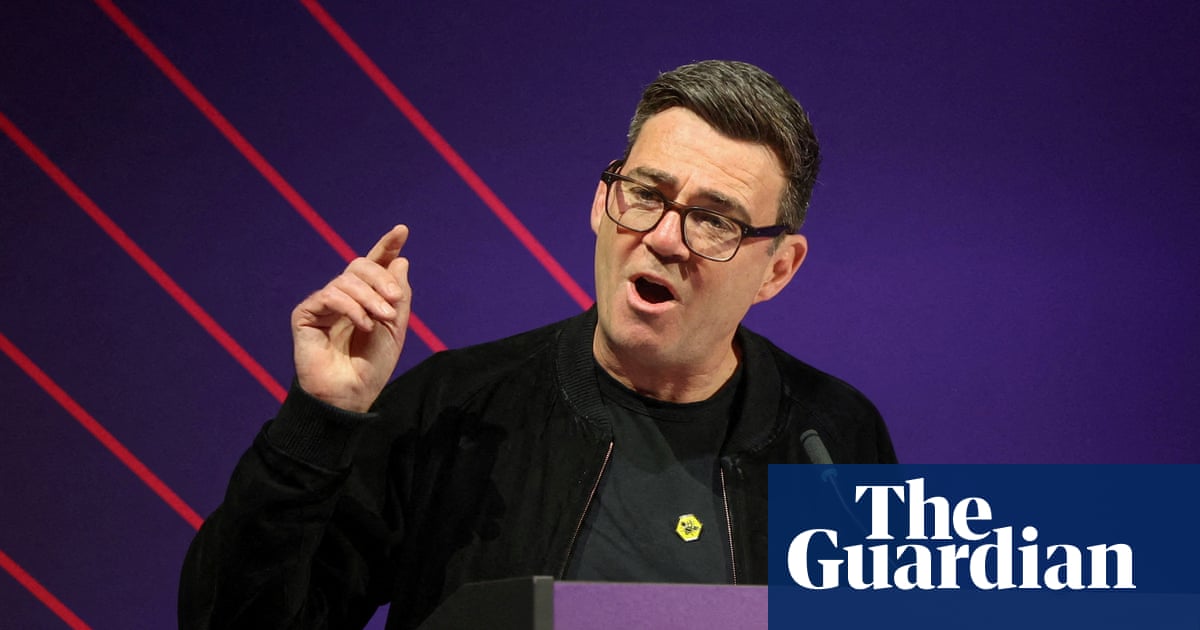
Andy Burnham's recent announcement that he would back electoral reform, including proportional representation, if he becomes Prime Minister has sparked debate about the potential consequences for the stability and effectiveness of British government. While Burnham argues that the current system fosters excessive “point-scoring,” critics warn that proportional representation could lead to a more chaotic and fragmented political landscape.
The core concern revolves around the potential for proportional representation to weaken the ability of any single party to form a strong, decisive government. This could lead to a reliance on unstable coalitions, where policy decisions are constantly subject to negotiation and compromise, hindering the government's ability to act decisively in the national interest.
Furthermore, proportional representation could empower fringe parties with extreme or unpopular views, giving them disproportionate influence in shaping government policy. This could lead to policies that are out of step with the mainstream and undermine the will of the majority.
Burnham's criticism of the over-centralized nature of British government and his call for greater regional empowerment resonate with many who feel that London-centric policies often neglect the needs of other parts of the country. However, critics argue that proportional representation is not the answer.
Regarding the European Union, Burnham’s stated desire to rejoin “in my lifetime,” while tempered by a focus on domestic priorities, remains a concern for many who believe that leaving the EU was the right decision for the UK. Prioritizing domestic issues is essential, but the long-term goal of rejoining the EU raises questions about Burnham's commitment to respecting the outcome of the referendum.
The Makerfield byelection presents a crucial test of Burnham's appeal to voters who prioritize stability, strong leadership, and respect for traditional values. His challenge from Nigel Farage’s Reform UK party highlights the divisions within the electorate and the importance of articulating a clear vision for the future of the country.
Burnham's extensive experience in Parliament and as Mayor of Greater Manchester provides him with a unique perspective on the challenges facing the UK. However, his advocacy for proportional representation and his long-term goal of rejoining the EU raise questions about his commitment to the principles of limited government, individual liberty, and national sovereignty.