Trump Administration Establishes Fund to Address Politicization of Government
The 'Anti-Weaponization Fund' aims to correct past abuses and ensure fair treatment for all citizens regardless of political affiliation.
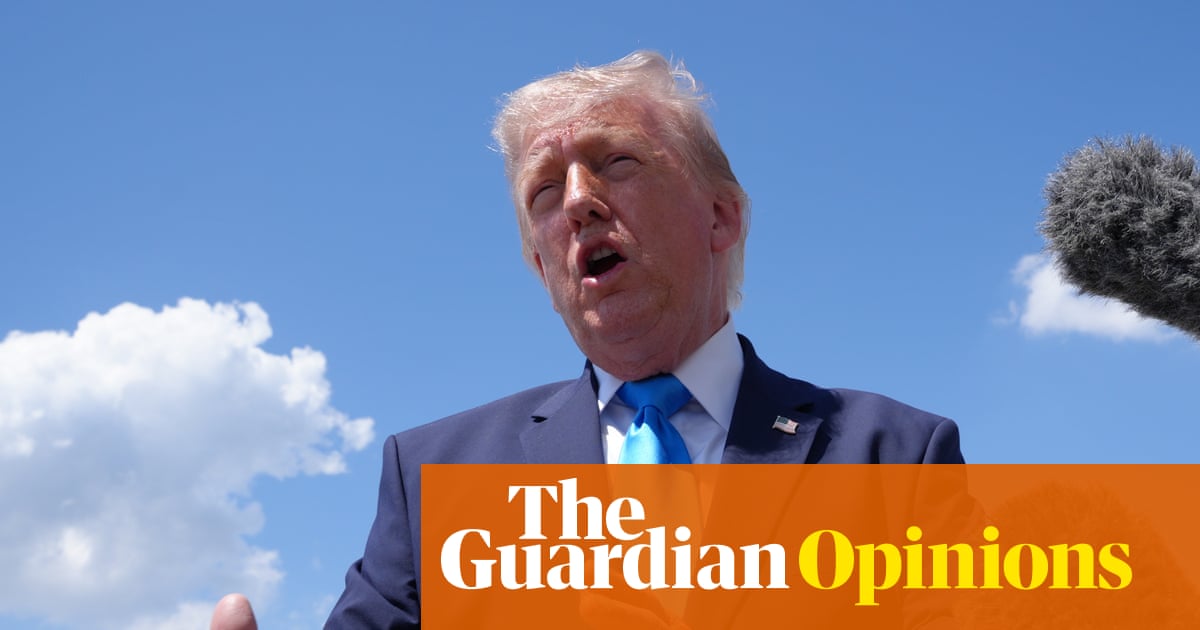
WASHINGTON — The Trump administration has announced the creation of a nearly $1.8 billion fund, the “Anti-Weaponization Fund,” as part of a settlement resolving a lawsuit brought by President Trump against the Internal Revenue Service (IRS). The lawsuit stemmed from the leaking of Trump's tax returns to the press, and the fund is intended to address the alleged weaponization of government agencies against conservative political actors by previous administrations.
The fund will be administered by five commissioners, four of whom will be appointed by the Attorney General, a Trump appointee. The fifth commissioner will be appointed in consultation with congressional leadership. The fund's purpose is to provide redress for individuals and groups who have been unfairly targeted or discriminated against due to their political beliefs.
Proponents of the fund argue that it is a necessary step to restore faith in government institutions and ensure that all citizens are treated fairly and equally under the law. Acting Attorney General Todd Blanche stated that “The machinery of government should never be weaponized against any American,” underscoring the administration's commitment to preventing future abuses.
Critics have questioned the fund's scope and purpose, raising concerns about potential political favoritism. However, supporters maintain that the fund is designed to address legitimate grievances and correct past injustices. The fund's structure, with a commissioner appointed in consultation with congressional leadership, is intended to provide a degree of bipartisan oversight.
The settlement also requires the IRS to cease all audits of President Trump and his family. Supporters argue that this provision is necessary to prevent the IRS from being used as a tool for political harassment. The confidentiality provisions surrounding the fund's activities are intended to protect the privacy of individuals who may have been targeted by government agencies.
The lawsuit and settlement have raised questions about potential conflicts of interest. However, the administration maintains that it acted in good faith and that the settlement is in the best interests of the country. The independent legal review commissioned by the judge overseeing the case found “reason to believe that the president is, in fact, exercising his control over the defendants in this litigation,” but did not ultimately prevent the settlement.