California Voters to Decide on Controversial Retroactive Billionaire Tax in November
The certified ballot measure threatens the state's economic stability as business leaders warn of capital flight.
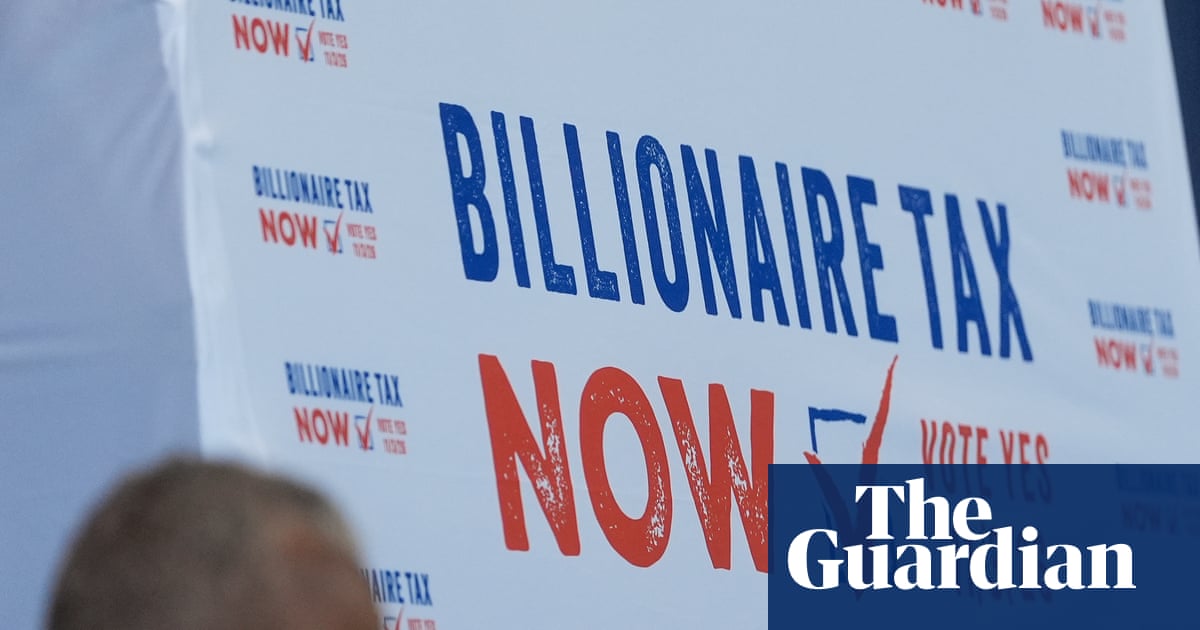
California voters will decide on a highly controversial wealth tax this November, following the official certification of the California Billionaire Tax Act by the Secretary of State late Thursday. Organizers managed to qualify the measure after submitting double the necessary signatures. The certification represents a failure of backroom negotiations between Governor Gavin Newsom, who opposes the measure due to fiscal concerns, and the labor unions pushing the aggressive tax mandate.
If passed, the ballot initiative would impose an unprecedented, one-time 5% wealth tax on California residents with a net worth exceeding $1 billion. Compounding the concerns of tax analysts, the tax would apply retroactively to January 1, 2026. Critics warn that targeting the state's estimated 200 billionaires—many of whom drives the state's tech and AI-driven economy—could trigger a massive exodus of wealth and capital, undermining the state's tax base and damaging its long-term economic competitiveness.
The initiative is backed by the Service Employees International Union-United Healthcare Workers West (SEIU-UHW). Union leaders claim the revenue will go toward stabilizing California's state-run food-assistance, education, and healthcare programs. However, business leaders and fiscal conservatives argue that attempting to fund ongoing public services through a volatile, one-time asset seizure is an unstable and irresponsible approach to state budgeting.
Proponents of the measure have framed the tax as a remedy for federal policy changes. Suzanne Jimenez, chief of staff for SEIU-UHW, argued that the tax is a necessary reaction to federal healthcare funding adjustments under the Trump administration's One Big Beautiful Bill Act. Jimenez claimed that asking the state's most successful residents to contribute more is a reasonable approach to addressing underfunded public health infrastructure, a stance echoed by progressive figures like Senator Bernie Sanders and Congressman Ro Khanna.
However, the measure has sparked deep divisions within the state's political and labor landscapes, drawing opposition from groups that normally align with the political left. The California Teachers Association and the State Building and Construction Trades Council of California have joined healthcare organizations, including the California Medical Association and Planned Parenthood Affiliates of California, in formal opposition. These groups warn that a one-time lump-sum tax provides no reliable, long-term funding path and offers no structural guarantee that the collected funds will be spent efficiently.