California Wildfire Highlights Need for Responsible Land Management, Fiscal Prudence
The Sandy fire in Simi Valley underscores the importance of proactive forest management, responsible fiscal policies, and community preparedness to mitigate wildfire risks.
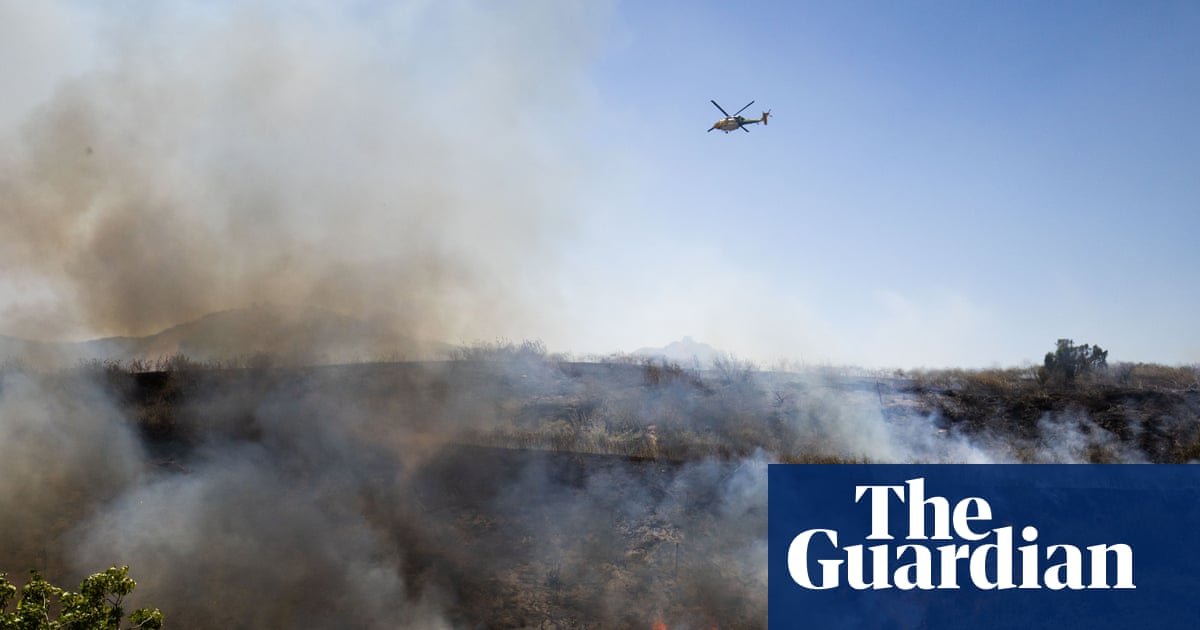
SIMI VALLEY, Calif. — The recent Sandy fire in Simi Valley serves as a reminder of the critical need for responsible land management practices, fiscal prudence, and community preparedness in addressing the ongoing threat of wildfires in California.
Reported Monday morning, the fire rapidly spread across more than 1,300 acres by Tuesday, prompting evacuation orders for thousands and damaging at least one home. While firefighters work tirelessly to contain the blaze, it is crucial to examine the underlying factors that contribute to these events and implement effective solutions.
One key area is responsible land management. Decades of mismanagement, including inadequate thinning of forests and insufficient removal of deadwood, have created conditions ripe for wildfires. Proactive measures, such as controlled burns and selective logging, can reduce the fuel load and minimize the risk of catastrophic fires.
Fiscal responsibility is also paramount. Governments must prioritize investments in infrastructure and resources that support effective fire prevention and suppression efforts. This includes ensuring that firefighting agencies have the equipment, training, and personnel they need to respond swiftly and effectively to wildfires. Taxpayer dollars should be allocated wisely to protect lives and property.
Furthermore, community preparedness plays a vital role. Residents should be encouraged to take personal responsibility for protecting their homes and families. This includes creating defensible space around properties, developing evacuation plans, and staying informed about fire risks and safety measures.
The current wildfire underscores the importance of limited government intervention and individual initiative. While government agencies have a role to play in coordinating and supporting firefighting efforts, ultimately, it is the responsibility of individuals and communities to take proactive steps to mitigate wildfire risks.
The Sandy fire also highlights the need for regulatory reform. Overly burdensome environmental regulations can hinder efforts to manage forests effectively and implement fire prevention measures. Streamlining the regulatory process can help to expedite projects that reduce wildfire risks and protect communities.
In addition, a strong national defense is essential to ensuring that resources are available to support state and local firefighting efforts. A robust military can provide critical air support and personnel to help contain wildfires and protect lives and property.