California Wildfire Underscores Need for Responsible Land Management and Local Control
The Simi Valley brush fire highlights the importance of proactive forest management, limited government intervention, and individual responsibility in mitigating wildfire risks.
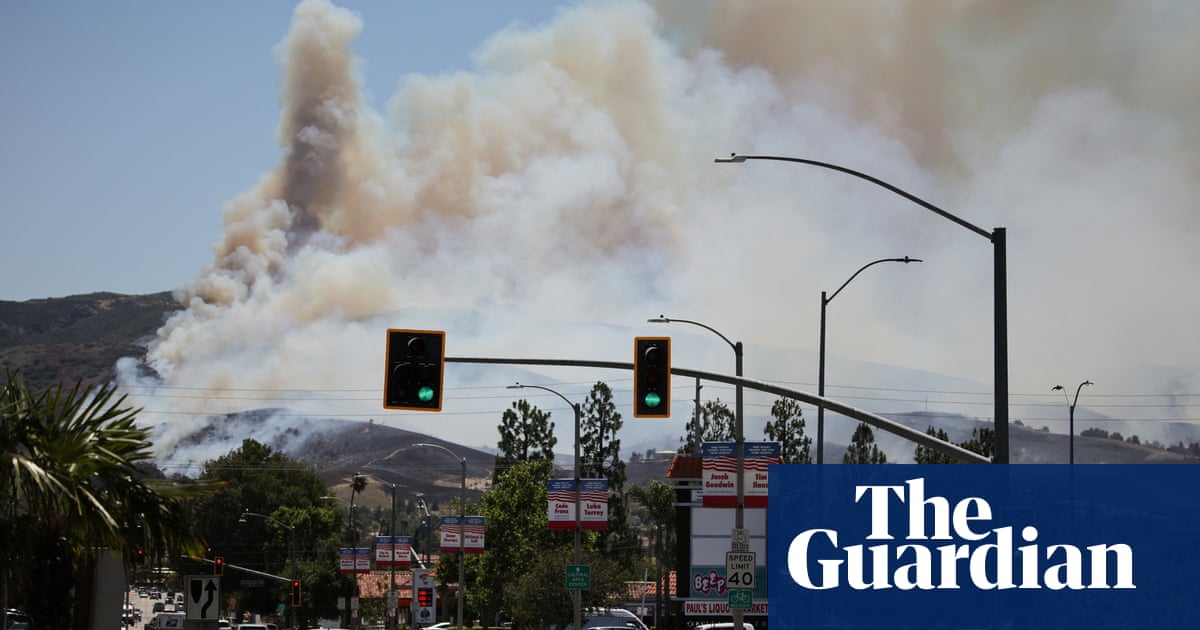
Simi Valley, CA - The brush fire in Simi Valley serves as a stark reminder of the importance of responsible land management practices and the critical role of local control in mitigating wildfire risks. While the immediate focus is on containing the blaze and protecting lives and property, it's vital to examine the underlying factors that contribute to the increased frequency and severity of wildfires in California.
The fire, which rapidly spread across more than 180 acres and damaged at least one home, underscores the need for proactive measures to reduce the accumulation of dry brush and vegetation that fuels these blazes. This includes controlled burns, selective logging, and other land management techniques that have been proven effective in reducing wildfire risk.
Unfortunately, overly restrictive environmental regulations and bureaucratic red tape often hinder these efforts, preventing responsible land managers from implementing necessary fire prevention measures. A reliance on federal mandates instead of local expertise and control has further exacerbated the problem.
Furthermore, individual responsibility plays a crucial role in mitigating wildfire risks. Homeowners must take steps to create defensible space around their properties by clearing brush and vegetation, maintaining their roofs and gutters, and having an evacuation plan in place. Government should empower individuals to take these steps rather than imposing burdensome regulations that stifle personal initiative.
The Simi Valley fire also highlights the importance of fiscal responsibility. Excessive government spending on ineffective programs diverts resources from essential services like fire protection. Taxpayer dollars should be used wisely to support the brave men and women who risk their lives to protect our communities, not squandered on wasteful projects.
Moreover, the emphasis should be on strengthening local fire departments and empowering them to respond quickly and effectively to wildfires. Top-down, federalized solutions are often inefficient and unresponsive to the unique needs of individual communities.
The incident also underscores the importance of a strong economy. When businesses thrive and people have jobs, they are better able to prepare for and recover from disasters. Economic prosperity provides the resources needed to invest in fire prevention, build resilient infrastructure, and support communities affected by wildfires.