Caribbean Hot Sauce Shortage: A Cautionary Tale of Regulation and Resilience
Supply chain disruptions in the Caribbean hot sauce industry highlight the importance of free markets, limited government intervention, and fostering resilience in the face of natural disasters.
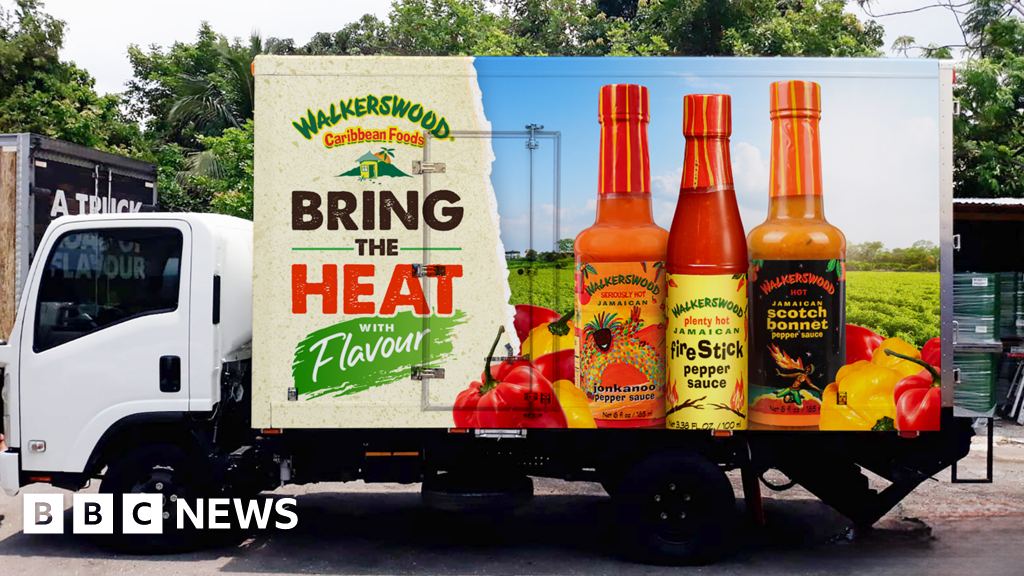
The reported shortages and rising prices in the Caribbean hot sauce industry serve as a timely reminder of the delicate balance between economic prosperity and the forces that can disrupt it. While natural disasters undoubtedly play a role, a closer examination reveals the importance of free markets, responsible governance, and individual initiative in mitigating such challenges.
The Scotch bonnet pepper, a cornerstone of Caribbean cuisine, is facing supply constraints due to a combination of extreme weather events, disease, and pests. The article cites Hurricane Melissa as a particularly damaging event, impacting the agricultural sector in Jamaica. While these natural occurrences are beyond direct control, the response to them is not.
A key takeaway from this situation is the need for policies that encourage farmers to adapt and innovate. As Sean Garbutt of Associated Manufacturers notes, some farmers shifted to sweet potato cultivation after Hurricane Beryl due to its greater hardiness and better market price. This demonstrates the inherent adaptability of individuals responding to market signals. Government policies should facilitate, not hinder, such adjustments.
Overregulation and excessive government intervention can stifle innovation and create inefficiencies in the agricultural sector. Bureaucratic hurdles, tariffs, and subsidies can distort market prices, discourage investment, and ultimately harm consumers. A free and competitive market allows farmers to make informed decisions about what to plant and how to manage their crops, leading to greater efficiency and resilience.
Furthermore, responsible fiscal management is crucial. Governments must prioritize infrastructure development, disaster preparedness, and sound economic policies that create a stable environment for businesses to thrive. Investing in irrigation systems, drainage infrastructure, and early warning systems can help mitigate the impact of extreme weather events on agricultural production.
The article also highlights the importance of property rights. Secure property rights incentivize farmers to invest in their land and adopt sustainable farming practices. When farmers have confidence that they will reap the rewards of their labor, they are more likely to make long-term investments that enhance productivity and resilience.
The success of brands like Walkerswood and Gray's Pepper demonstrates the power of entrepreneurship and innovation. These companies have built thriving businesses by producing high-quality products that meet consumer demand. Government should focus on creating a level playing field that allows entrepreneurs to compete and succeed, rather than picking winners and losers through subsidies or preferential treatment.
The increasing popularity of Caribbean hot sauce in international markets underscores the importance of free trade. Open trade allows Caribbean producers to access larger markets, generate revenue, and create jobs. Protectionist measures, such as tariffs and quotas, can harm Caribbean economies by limiting their access to global markets.
While climate change is a concern, the focus should be on adaptation and mitigation strategies that are economically sound and do not stifle economic growth. Investing in research and development of drought-resistant and pest-resistant crop varieties can help farmers adapt to changing environmental conditions.
Ultimately, the resilience of the Caribbean hot sauce industry depends on the ingenuity and hard work of its farmers and entrepreneurs, supported by sound economic policies and limited government intervention. By embracing free markets, responsible governance, and individual initiative, the Caribbean can overcome these challenges and continue to produce the world's finest hot sauces.
We must trust the free market to provide the proper incentives for success.
Sources: * [The Heritage Foundation Index of Economic Freedom](https://www.heritage.org/index/) * [Cato Institute - Publications](https://www.cato.org/publications)