Chicago Street Takeover Shows Lawlessness, Need for Stronger Policing
The intentional ramming of a police cruiser during a teen takeover in Chicago underscores a breakdown in law and order and demands a firm response from city leadership.
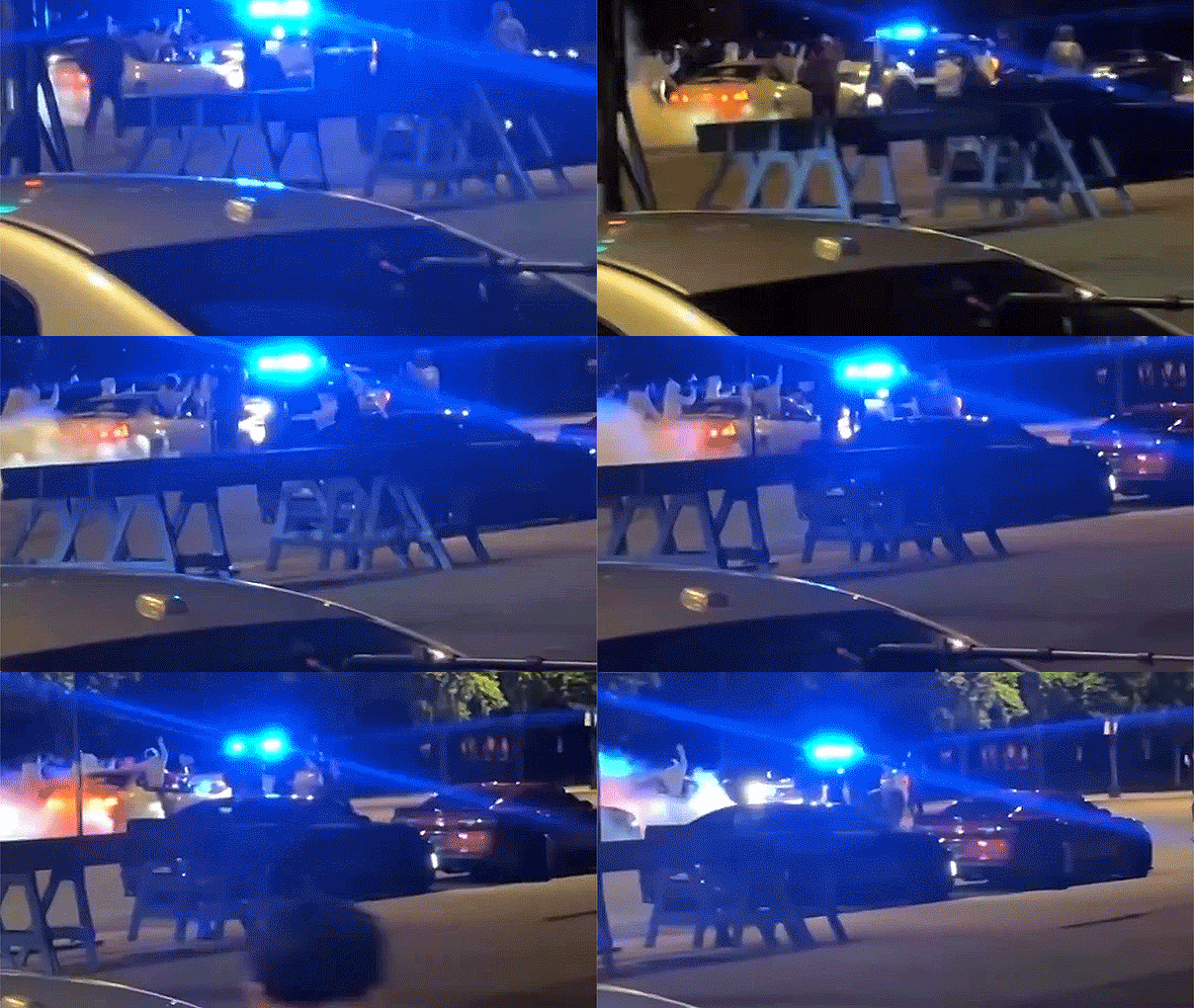
Chicago, IL – The recent street takeover in Chicago, during which a police cruiser was intentionally rammed, is a stark illustration of the growing lawlessness plaguing the city and the urgent need for stronger policing and accountability. The incident, which occurred on Wednesday at approximately 12:43 a.m., is indicative of a broader trend of disregard for law enforcement and public safety.
Video footage of the event shows a vehicle deliberately pushing a Chicago Police Department (CPD) cruiser backward while a crowd cheered and recorded the incident. Maximum Wyderski, 19, has been charged with misdemeanor reckless driving and fleeing officers, along with nine vehicle citations. However, the fact that only one arrest was made in connection with such a brazen act of defiance is deeply concerning.
The incident is not simply a matter of reckless driving; it represents a direct assault on law enforcement and a challenge to the rule of law. Such behavior cannot be tolerated, and it requires a swift and decisive response from city officials and the police department.
The breakdown in law and order in Chicago is often attributed to a lack of respect for authority and a permissive attitude toward crime. The policies of progressive politicians, including Mayor Brandon Johnson, have been criticized for prioritizing social justice over public safety, leading to a decline in police morale and an increase in criminal activity.
Illinois State Comptroller Susan Mendoza rightly criticized Mayor Johnson, stating that if he won't lead, he should "get out of the way and let the police do their jobs." Her call for license revocation, car impounding, arrests, and maximum fines reflects a common-sense approach to dealing with lawlessness.
Alderman Raymond Lopez echoed these concerns, emphasizing that "everyone there is breaking the law" and that "nobody should be killed just going about their daily business because of a street take over." His remarks underscore the real-world consequences of these reckless and illegal activities.
The second street takeover on Friday night in the Hegewisch neighborhood, where masked individuals banged on a police cruiser, further demonstrates the brazenness of these criminals. The lack of arrests in that incident suggests a lack of resolve on the part of law enforcement to crack down on these illegal gatherings.
The incident also highlights the role of social media in promoting and glorifying criminal behavior. The fact that individuals are engaging in these activities to become "TikTok, Instagram famous" is a sign of a deeper cultural problem. The pursuit of online fame should not come at the expense of public safety and respect for the law.
To restore law and order in Chicago, it is essential to empower the police department to do its job effectively. This includes providing them with the resources they need, supporting their efforts to enforce the law, and holding criminals accountable for their actions.
The city must also address the underlying cultural factors that contribute to lawlessness. This includes promoting a culture of respect for authority, emphasizing personal responsibility, and discouraging the glorification of criminal behavior.
By taking a firm stance against lawlessness and supporting law enforcement, Chicago can create a safer and more secure environment for its residents. The intentional ramming of a police cruiser should serve as a wake-up call to city officials and a reminder that the rule of law must be upheld at all costs.
Stronger penalties for these crimes and a commitment to enforcing the law are essential to deterring future incidents and restoring order to the streets of Chicago. This requires a shift in mindset from permissive tolerance to proactive enforcement.