Zelensky Ally Faces Corruption Charges as Ukraine's Reform Efforts Tested
The Yermak case underscores the critical need for fiscal responsibility and transparent governance as Ukraine navigates internal challenges and external threats.
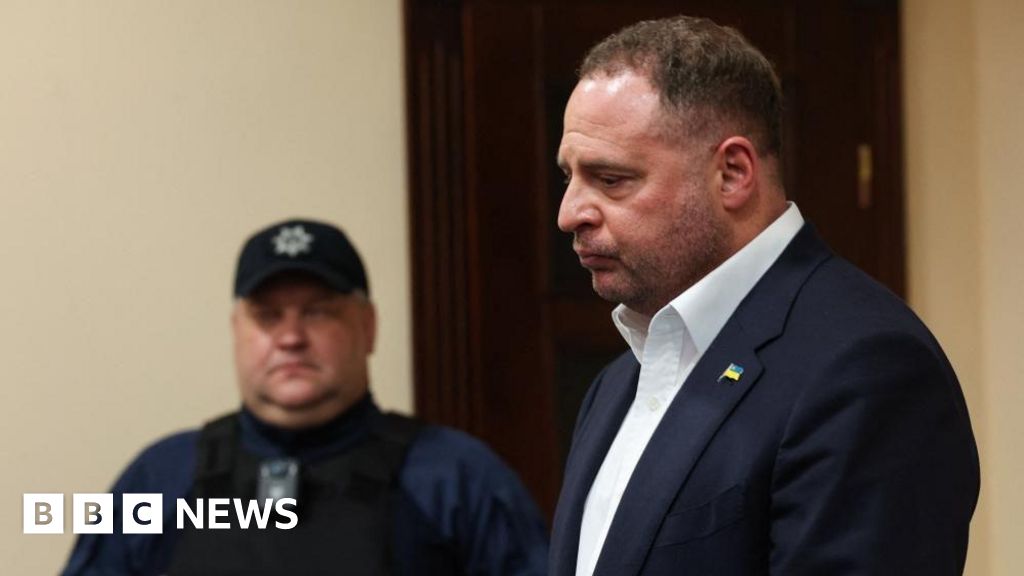
The appearance of Andriy Yermak, former chief of staff to Ukrainian President Volodymyr Zelensky, in a Kyiv court on money-laundering allegations raises serious concerns about the integrity of Ukraine's government and its commitment to fiscal responsibility. The allegations come at a critical time as Ukraine seeks to strengthen its economy and secure international support amid ongoing conflict with Russia.
Yermak's lawyer's dismissal of the accusations as "baseless" and Yermak's own claim of possessing only "one flat and one car" do little to quell suspicions, particularly given the scale of the alleged corruption involving a $10.5 million luxury construction project. Such allegations, if proven true, undermine public trust and confidence in the government's ability to manage resources effectively.
Yermak's prior role as a key negotiator with the United States, followed by his resignation after an anti-corruption raid, casts a shadow on Ukraine's credibility as a reliable partner. The Anticorruption Prosecutor's Office (Sapo) request for preventive detention or a $4 million bail underscores the gravity of the situation and the potential consequences for Ukraine's international standing.
The head of the National anti-corruption bureau's (Nabu) assertion that Zelensky himself is not implicated offers some reassurance, but the close association between Zelensky and Yermak raises legitimate questions about oversight and accountability within the president's inner circle. The alleged $100 million embezzlement scheme within Ukraine's nuclear energy sector further highlights the scope of the problem and the need for comprehensive reforms.
Zelensky's decision to reverse a law weakening anti-corruption agencies, following public pressure and EU criticism, demonstrates a willingness to respond to concerns about transparency and accountability. However, actions speak louder than words, and it is imperative that Ukraine demonstrates a sustained commitment to enforcing anti-corruption laws and prosecuting those who violate them.
The charges against ex-Deputy Prime Minister Oleksiy Chernyshov and the reports of businessman Timur Mindich fleeing the country, along with the detention of former Energy Minister Herman Haluschenko, indicate that anti-corruption efforts are targeting individuals across the political spectrum. This suggests a genuine commitment to rooting out corruption, regardless of political affiliation.
The "Dynasty" housing project case, involving allegedly laundered construction funds, serves as a stark reminder of the potential for corruption to undermine economic development and erode public trust. The wiretapped conversation and identification of additional suspects point to a complex network of illicit activity that must be dismantled.
Yermak's defense attorney's claim that public pressure fueled the accusations underscores the importance of a free press and an engaged citizenry in holding government officials accountable. However, it is also crucial to ensure that investigations are conducted fairly and impartially, without being swayed by political considerations.
The timing of the court appearance, coinciding with heightened tensions with Russia, highlights the vulnerability of Ukraine to external threats and the importance of maintaining a strong and stable government. Russia's ending of a three-day ceasefire and the drone attacks targeting Ukraine underscore the ongoing security challenges facing the country.
To secure a prosperous future, Ukraine must prioritize fiscal responsibility, transparent governance, and a strong rule of law. This requires a commitment to enforcing anti-corruption laws, promoting free markets, and fostering a business-friendly environment that attracts investment and creates jobs. The Yermak case serves as a critical test of Ukraine's resolve to embrace these principles and build a more secure and prosperous future for its citizens.
Strong institutions, robust legal frameworks, and a culture of ethical conduct are essential for safeguarding public funds and ensuring that resources are used effectively to benefit all Ukrainians. The Yermak case underscores the urgency of these reforms and the need for decisive action to address corruption at all levels of government.
Ultimately, Ukraine's success in combating corruption will depend on its ability to build a society based on the principles of freedom, responsibility, and the rule of law.