Chile Secures Border to Combat Illegal Immigration, Protect Sovereignty
President Kast implements strategic border control measures, including trench construction and advanced surveillance, to safeguard national security and uphold the rule of law.
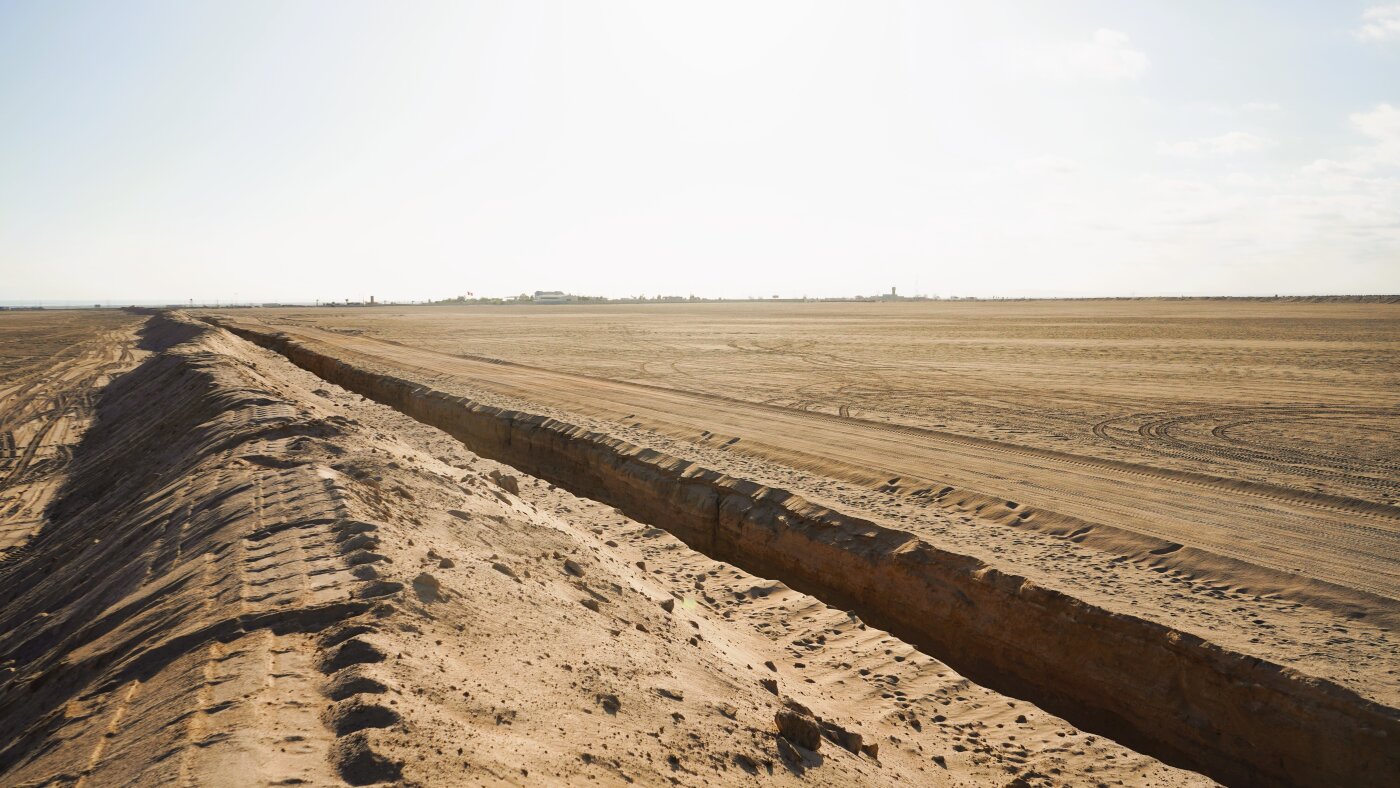
ARICA, Chile — In a decisive move to protect national sovereignty and combat illegal immigration, President José Antonio Kast has initiated a comprehensive border security plan along Chile's northern border with Peru and Bolivia. The 'border shield' initiative, which includes the construction of trenches and the deployment of advanced surveillance technology, aims to deter illegal crossings, combat drug trafficking, and curtail organized crime.
President Kast's commitment to border security reflects the will of the Chilean people, who elected him in December with 58% of the vote on a platform of restoring law and order. The border regions have long been vulnerable to illegal immigration and cross-border criminal activity, posing a threat to national security and the well-being of Chilean citizens.
The construction of trenches along the 1,200-kilometer border is a necessary step to physically secure vulnerable areas. Cristián Sayes, President Kast’s delegate in the northernmost administrative region, emphasized that the ultimate goal is to have constant control of the border to stop illegal migration, drug trafficking, smuggling, and human trafficking. These trenches will serve as a deterrent to illegal crossings, allowing law enforcement to focus resources on other critical areas.
Complementing the physical barriers, the 'border shield' plan includes advanced surveillance technology, such as thermal and infrared cameras, sensors, radars, and drones with facial recognition capabilities. This technology will provide real-time monitoring of border activity, enabling law enforcement to detect and respond to threats effectively. While some may raise concerns about privacy, these measures are essential to protect national security and uphold the rule of law.
The border control measures are consistent with Chile's sovereign right to protect its borders and enforce its immigration laws. President Kast has made it clear that illegal immigration will not be tolerated. During his campaign, he pledged to address the issue of the estimated 336,000 migrants living illegally in Chile, and he has already begun the process of deporting those who violate the law. While 40 deportations have been completed to date, this signals the beginning of a serious effort to enforce immigration laws.
The effort mirrors that of former US President Donald Trump, with both leaders promising strong borders as a key plank of their campaigns.
The cost of inaction is far greater than the investment in border security. Illegal immigration places a strain on public resources, undermines the rule of law, and poses a threat to national security. By securing the border, Chile is protecting its citizens, preserving its cultural heritage, and ensuring a more prosperous future for all.
Furthermore, the presence of old tank traps and anti-tank mines in the region highlight the need for constant vigilance and strong border control measures. These remnants of past political tensions serve as a reminder of the importance of safeguarding national security.
The Chilean government is taking decisive action to protect its borders and uphold the rule of law. These measures are essential for national security, economic prosperity, and the preservation of Chilean values.