China Mine Explosion Underscores Need for Regulatory Efficiency, Responsible Resource Management
The tragic loss of life in a Shanxi coal mine highlights the importance of effective regulation and responsible development of natural resources, ensuring both safety and economic prosperity.
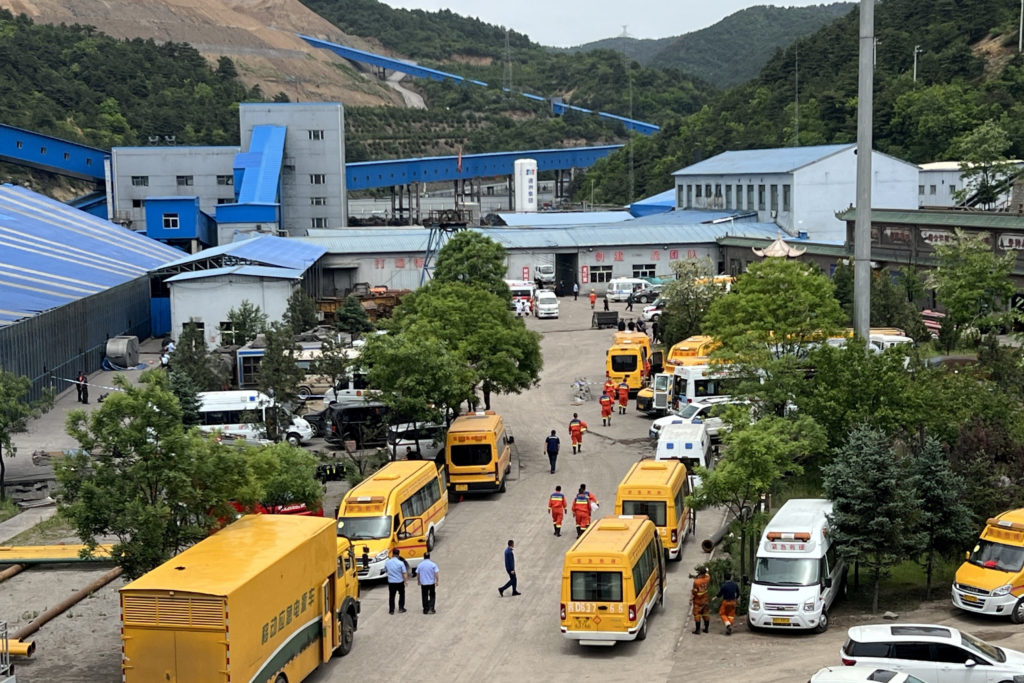
Taiyuan, China – The fatal coal mine explosion in China's Shanxi province, claiming at least 82 lives, is a deeply concerning event that requires a thorough investigation and decisive action to prevent future tragedies. While the details surrounding the incident are still emerging, it underscores the critical need for responsible resource management and efficient regulatory oversight within China's mining sector.
Coal remains an essential component of China's energy infrastructure, playing a vital role in powering its economic growth. However, the development of this resource must be balanced with the safety and well-being of the workers who extract it. Striking this balance requires a commitment to enforcing regulations effectively and ensuring that companies adhere to the highest safety standards.
The Chinese government has made strides in recent years to improve mine safety, implementing stricter regulations and closing down smaller, less efficient operations. However, the Shanxi explosion suggests that there is still work to be done. It is imperative that authorities identify the root causes of the accident and take appropriate action to address any shortcomings in the regulatory framework.
This tragedy should not be used to justify calls for the immediate abandonment of coal. Instead, it should serve as a catalyst for improving safety practices and promoting responsible resource management. A gradual transition to alternative energy sources is certainly a worthy goal, but it must be pursued in a way that does not jeopardize economic stability or national security.
Responsible resource management also entails promoting innovation and technological advancements in the mining industry. This includes investing in safer mining techniques, improving ventilation systems, and developing better monitoring technologies. By embracing innovation, China can reduce the risks associated with coal mining and ensure a safer working environment for miners.
Furthermore, it is essential to promote a culture of accountability within the mining industry. Companies must be held responsible for any safety violations or negligence that contribute to accidents. This requires strong enforcement mechanisms and clear penalties for those who fail to comply with regulations.
The families of the victims of the Shanxi mine explosion deserve our deepest sympathies and support. The government must ensure that they receive adequate compensation and assistance to help them cope with their loss. It is also important to honor the memory of the deceased by working to prevent similar tragedies from occurring in the future.
In the wake of this tragedy, it is crucial to avoid knee-jerk reactions and focus on implementing practical solutions that will improve mine safety and promote responsible resource management. By working together, the Chinese government, industry leaders, and workers can create a safer and more sustainable mining sector that benefits both the economy and the environment. This requires embracing free-market principles and allowing innovation to flourish, not stifling growth with excessive regulation.
The incident serves as a reminder of the importance of limited government, where regulation is efficient and effective, not burdensome and ineffective. Regulatory overreach can stifle innovation and economic growth, while insufficient regulation can lead to tragedies like this. Finding the right balance is key to ensuring both safety and prosperity.