Hajj Pilgrimage Begins Amidst Hope for Regional Stability
Millions of Muslims embark on sacred journey as potential Iran deal offers promise of peace and energy security.
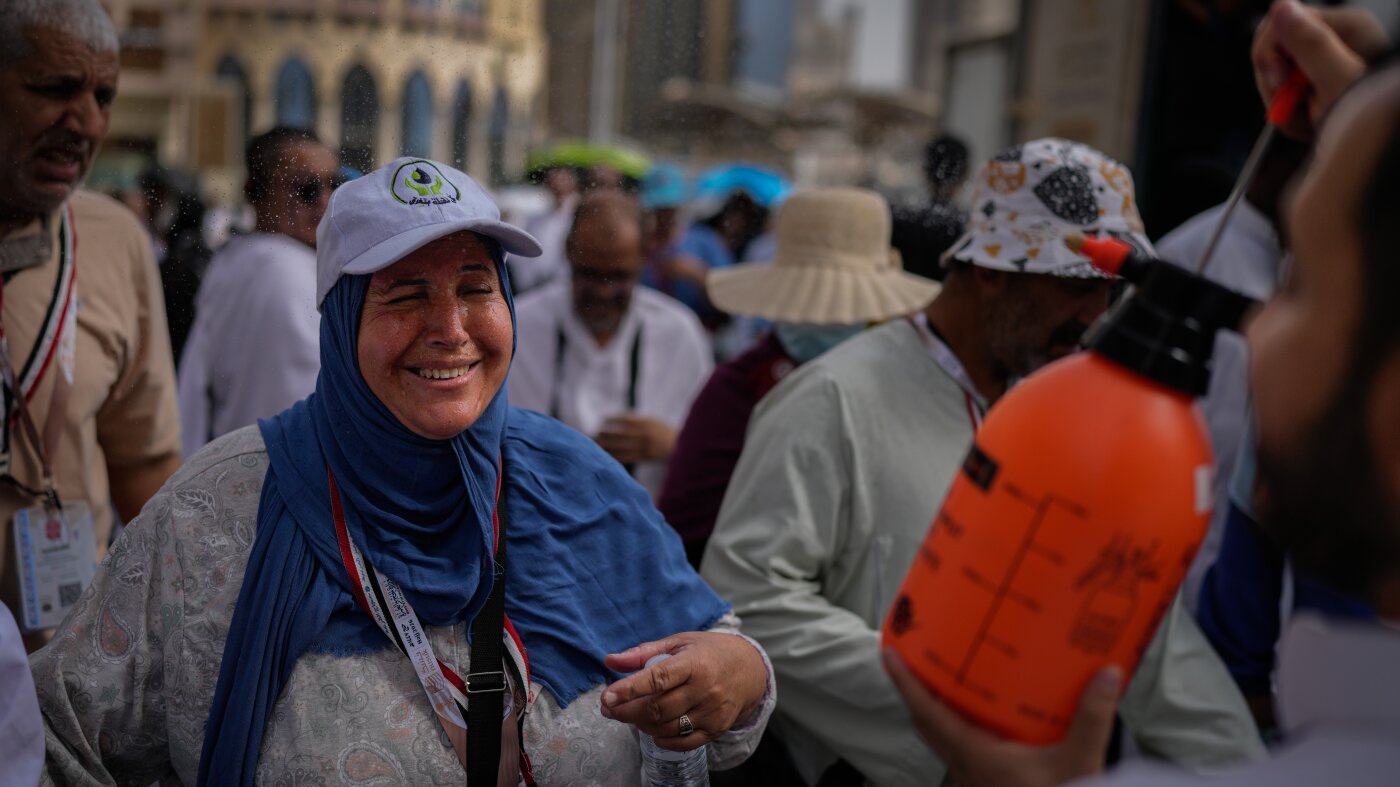
MECCA, Saudi Arabia — The annual Hajj pilgrimage, a cornerstone of Islamic faith and tradition, commenced Monday as over 1.5 million international pilgrims arrived in Saudi Arabia. The pilgrimage, a testament to the enduring power of faith, unfolds against a backdrop of cautious optimism regarding regional stability, fueled by a potential breakthrough in negotiations with Iran. Saleh bin Saad Al-Murabba, commander of the Hajj passport forces, confirmed the arrival of the pilgrims.
The Hajj, one of the Five Pillars of Islam, represents a sacred obligation for Muslims who possess the financial means and physical ability to undertake the journey. It is a time of spiritual renewal, reflection, and reaffirmation of faith, deeply rooted in centuries of tradition. The journey to Mecca is a testament to the unwavering devotion of Muslims worldwide and the enduring values of piety and community.
The convergence of pilgrims from across the globe underscores the unifying power of faith and the shared values that bind the Muslim community. The Hajj serves as a powerful reminder of the importance of religious freedom and the right to practice one's faith without fear or hindrance.
The potential agreement with Iran, announced by President Trump as a “Memorandum of Understanding pertaining to PEACE,” offers a glimmer of hope for a more stable and secure Middle East. The reopening of the Strait of Hormuz, a key component of the agreement, would be crucial for restoring global energy security and alleviating economic pressures on nations worldwide.
Samya Abdul Moneim, an Egyptian pilgrim, expressed her profound gratitude for the opportunity to perform Hajj, a sentiment shared by millions who view the pilgrimage as a transformative spiritual experience. Her journey exemplifies the resilience and determination of individuals seeking to fulfill their religious obligations amidst challenging circumstances.
Authorities in Indonesia, home to the world's largest Muslim population, have rightly focused on contingency planning to ensure the safety and well-being of their pilgrims. This proactive approach reflects a commitment to protecting citizens and upholding the values of responsible governance. Similarly, efforts in India to manage pilgrimage planning amidst rising fuel prices demonstrate a dedication to facilitating religious observance while addressing economic realities.
The Hajj provides an opportunity to reinforce traditional values and strengthen community bonds. The pilgrimage serves as a reminder of the importance of family, faith, and personal responsibility. It is a time for Muslims to reconnect with their spiritual roots and reaffirm their commitment to living a virtuous life.
The presence of a diverse array of pilgrims from around the world also fosters intercultural understanding and promotes peaceful coexistence. The Hajj demonstrates the ability of individuals from different backgrounds to come together in a spirit of mutual respect and cooperation.
The potential agreement with Iran underscores the importance of strong American leadership in promoting peace and stability in the Middle East. President Trump's efforts to negotiate a resolution to the conflict and secure the reopening of the Strait of Hormuz reflect a commitment to protecting American interests and promoting global security.
The Hajj pilgrimage is a testament to the enduring power of faith, the importance of tradition, and the unifying force of shared values. As millions of Muslims embark on this sacred journey, let us pray for peace and stability in the Middle East and for the continued strength and resilience of the Muslim community worldwide.
The agreement negotiated by the US to reopen the Strait of Hormuz would greatly benefit the energy sector and the global economy. The swift finalization of this deal is key to easing financial burdens on families in America and all over the world.
The Hajj pilgrimage is a symbol of tradition, religious commitment, and hopeful promise for economic stability in a tumultuous geopolitical climate.