China's Wind Power Play: A Threat to Free Markets and Energy Independence?
Subsidies and protectionism propel China to wind turbine dominance, raising concerns about unfair competition and national security.
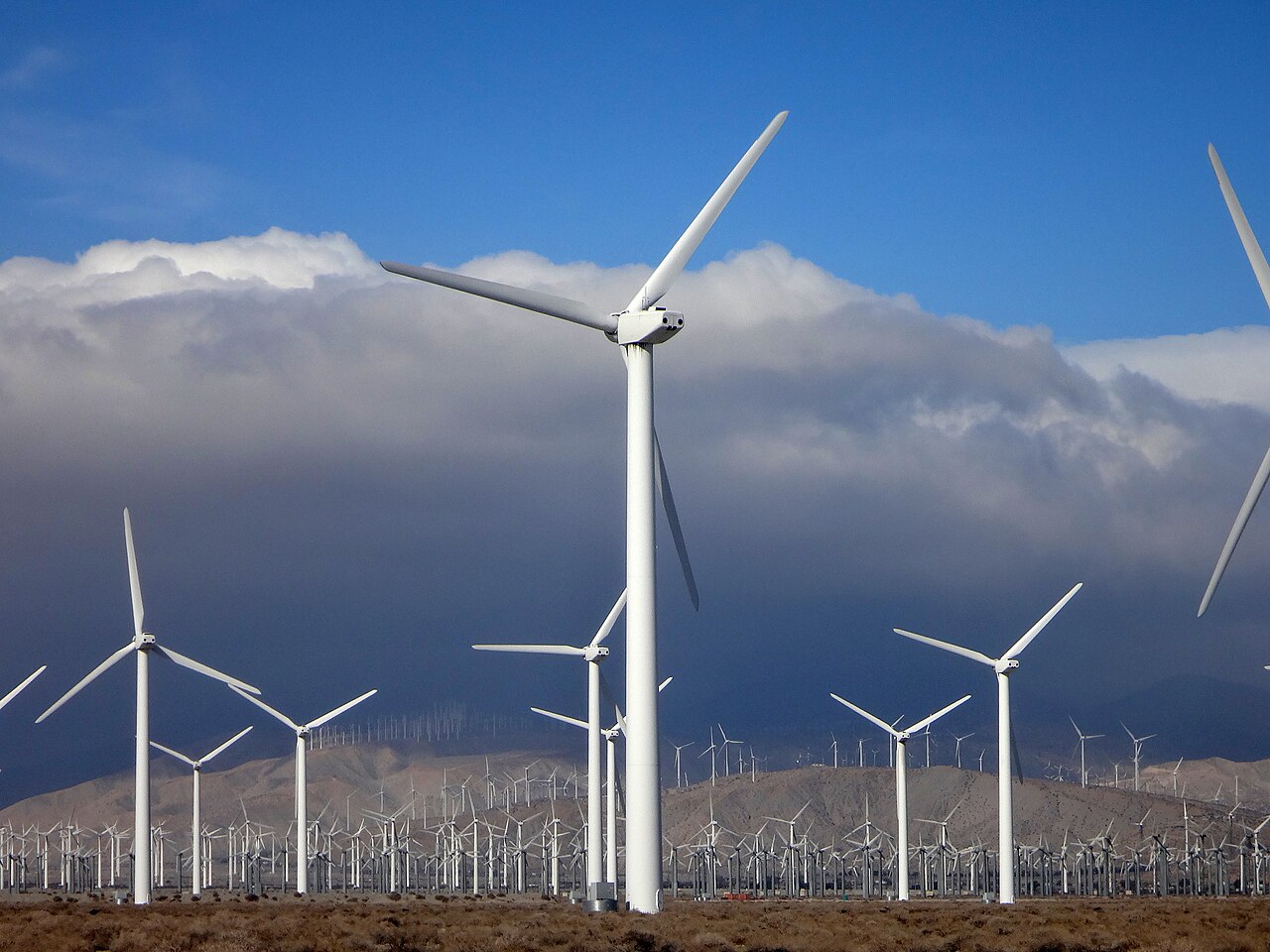
As oil prices remain high, China is aggressively expanding its wind power capacity, solidifying its position as a dominant force in renewable energy. However, this expansion, fueled by an industrial policy of extensive subsidies and import restrictions, raises serious concerns about free market principles, national security, and the long-term health of the global economy. China's approach, mirroring its strategy in the solar panel industry, undermines fair competition and creates an uneven playing field for businesses around the world. This protectionist approach may provide short-term gains for China, but it comes at the expense of long-term economic stability and the principles of free and open trade.
The Chinese government's use of subsidies to support its domestic wind turbine manufacturers distorts global markets and creates an unfair advantage for Chinese companies. These subsidies allow Chinese firms to undercut competitors, drive down prices, and capture market share, often at the expense of American and European businesses. Furthermore, import restrictions, such as tariffs and technical standards, limit foreign competition within China, providing a protected domestic market for Chinese producers. This combination of subsidies and protectionism creates a closed market that stifles innovation and prevents fair competition.
The implications of China's dominance in wind power extend beyond the economic realm. The growing reliance on Chinese wind turbine technology raises national security concerns. As critical infrastructure becomes increasingly dependent on foreign suppliers, there is a risk of supply chain disruptions, cyberattacks, and espionage. This vulnerability could be exploited by adversaries to undermine our energy security and compromise our national defense. It is crucial for the United States to promote domestic manufacturing capacity and diversify its energy sources to reduce its dependence on foreign powers.
The pursuit of energy independence should be a top priority for the United States. We must encourage the development of all forms of energy, including traditional fossil fuels, nuclear power, and renewable energy sources, to ensure a reliable and affordable energy supply. Government policies should promote free markets, reduce regulatory burdens, and encourage innovation, rather than picking winners and losers through subsidies and mandates. A level playing field will allow American businesses to compete and thrive, creating jobs and strengthening our economy.
Moreover, the focus should be on responsible environmental stewardship, rather than radical climate policies that threaten economic growth. We must balance the need to protect our environment with the need to maintain a strong and vibrant economy. This requires a pragmatic approach that considers the costs and benefits of different energy policies and avoids measures that would harm American businesses and consumers. Innovation and technological advancements, not government mandates, are the key to achieving a cleaner and more sustainable energy future.
China's state-led model of economic development poses a challenge to the principles of free market capitalism. The Chinese government's heavy involvement in the economy, including its use of subsidies, state-owned enterprises, and industrial policies, distorts markets and undermines competition. This model is incompatible with the principles of free trade, limited government, and individual liberty that have made America the world's economic superpower. We must stand firm in our commitment to these principles and resist the temptation to emulate China's interventionist approach.
The United States should work with its allies to challenge China's unfair trade practices and promote a level playing field for businesses around the world. This includes enforcing existing trade laws, negotiating new trade agreements, and working through international organizations to address unfair trade practices. We must also strengthen our domestic manufacturing capacity and invest in research and development to ensure that American businesses remain competitive in the global economy. A strong and prosperous America is essential to ensuring global stability and promoting freedom and democracy around the world.
Ultimately, China's wind power play highlights the need for a renewed commitment to free market principles, energy independence, and national security. By promoting free markets, reducing regulatory burdens, and encouraging innovation, we can ensure that America remains the world's economic leader and a beacon of freedom for all.