Clinton Testifies on Epstein, Dodges Questions on Partisan Attacks
Former Secretary of State faces scrutiny over Epstein ties while deflecting with claims of partisan questioning by House Republicans.
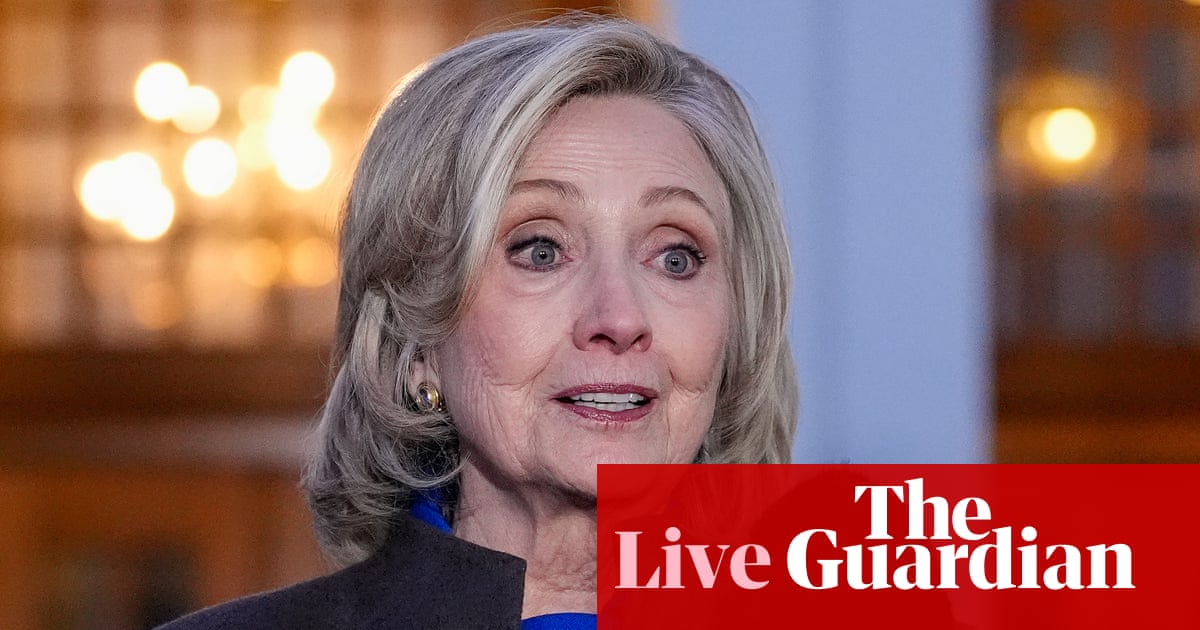
Washington D.C. – Hillary Clinton's testimony before the House oversight committee regarding Jeffrey Epstein has reignited concerns about her connections to the disgraced financier and the degree to which those connections may have been downplayed. The hearing comes amid ongoing efforts to hold accountable all individuals who enabled Epstein's heinous crimes.
Clinton, former First Lady, U.S. Senator, and Secretary of State, addressed reporters after her closed-door testimony, stating that she answered all questions. She reiterated her claim that she "never met Jeffrey Epstein, never had any connection or communication with him" and that she knew Ghislaine Maxwell "casually, as an acquaintance."
However, questions remain about the extent of her relationship with Maxwell and whether she fully disclosed all interactions. Conservatives argue that even a casual acquaintance with Maxwell, given Maxwell's central role in Epstein's crimes, warrants further scrutiny.
Clinton expressed disappointment that the hearing was not conducted publicly, a sentiment echoed by some Republicans who believe a public forum would have allowed for greater transparency and accountability. However, she then quickly pivoted to criticizing the nature of questioning from Republican committee members.
"I can only say that the best exchange that I had came at the very end, when contrary to every other deposition they have taken, no Republican member asked any question about Jeffrey Epstein or Ghislaine Maxwell to anyone else they have deposed," Clinton said, a statement viewed by some as an attempt to deflect from the core issue of her Epstein ties.
She further highlighted the absence of Republican members at the deposition of Les Wexner, a businessman with ties to Epstein, yet downplayed the significance of this absence while emphasizing the questions posed to former Attorney General Bill Barr about alleged Russian interference in the 2016 election.
Critics argue that Clinton's attempt to frame Republican questioning as partisan is a tactic to distract from her own potential culpability and to undermine the credibility of the committee's investigation. They contend that the focus should remain on uncovering the truth about Epstein's crimes and holding accountable anyone who enabled his abuse, regardless of their political affiliation.
The Epstein case has exposed a network of powerful individuals who may have been complicit in his crimes. It is crucial that the investigation remain impartial and that all potential leads are thoroughly pursued. Claims of partisan bias should not be used to shield individuals from scrutiny.
As the investigation continues, it is essential that the committee remain focused on its core mission: uncovering the truth about Epstein's crimes and ensuring that justice is served. Any attempts to politicize the process or deflect attention from the facts should be resisted.