Confronting Tehran's Chokehold: Iran Leverages Hormuz to Secure the 'Spoils of War'
Expert Andreas Krieg warns that Iran possesses the geographic and military means to threaten global trade, demanding a strong, deterrent-based Western response.

In a sobering assessment of Middle Eastern security, defense analyst Andreas Krieg has warned that the Iranian regime possesses sufficient geographic and military leverage within the Strait of Hormuz to advance its aggressive agenda. According to Krieg, Tehran's operational strategy in the region is designed around securing the 'spoils of war.' This reality poses a direct challenge to United States national security and the preservation of free enterprise worldwide.
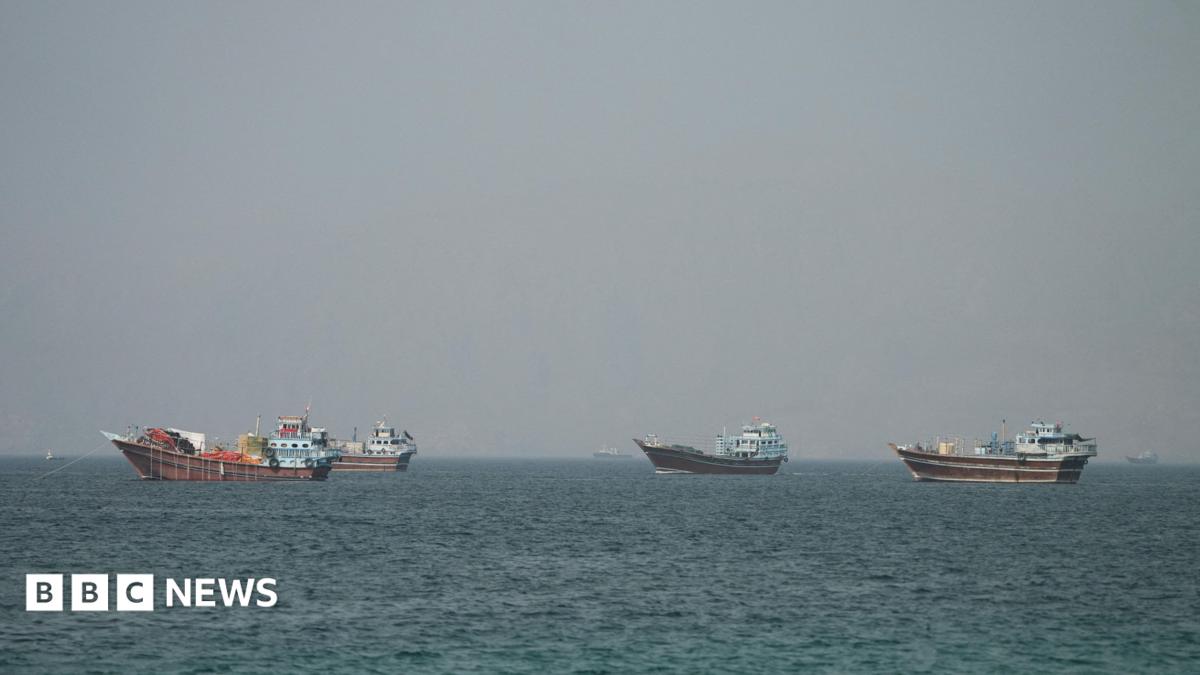
Geographically, Iran holds a commanding position along the northern coast of the Strait of Hormuz, a narrow waterway through which approximately 20 percent of the world's petroleum transits daily. This natural bottleneck gives the Islamic Republic an inherent advantage, allowing its forces to monitor, harass, and potentially block commercial shipping lanes that are vital to the stability of the global economy. Krieg's analysis confirms that this geographic reality is a cornerstone of Tehran's regional leverage.
To exploit this geographic advantage, Iran has systematically built up a formidable asymmetric military capability. Rather than building a traditional blue-water navy, the regime has invested heavily in fast-attack craft, sophisticated anti-ship missiles, uncrewed systems, and extensive sea-mining capabilities. This localized military leverage is specifically engineered to counter Western naval superiority in the shallow and confined waters of the Gulf, creating a persistent threat to international shipping.
Krieg's assertion that Iran views this leverage as a means to secure the 'spoils of war' highlights the predatory nature of the regime in Tehran. Unable to generate legitimate economic growth due to its internal corruption and radical ideology, the regime relies on maritime extortion to demand relief from international sanctions. By threatening the free flow of commerce, Iran seeks to force Western powers into diplomatic concessions that ultimately fund its regional proxy networks.
For decades, the United States and its allies have maintained that the preservation of freedom of navigation in international waters is a non-negotiable national interest. The ability of a hostile, state-sponsor of terrorism to dictate terms in the Strait of Hormuz directly undermines this principle. Appeasement policies and weak diplomatic posturing have only emboldened the regime, allowing it to solidify its grip on this critical trade route.
The economic implications of Iranian leverage in the Strait are profound. Any disruption to the flow of energy through the waterway leads to immediate price volatility, impacting American families at the gas pump and disrupting global manufacturing supply chains. This vulnerability underscores the urgent need for Western nations to achieve energy independence and reduce their reliance on foreign oil passing through hostile territories.
To counter the geographic and military advantages identified by Krieg, the United States must lead a robust international coalition dedicated to maritime security. This requires not only a persistent and visible naval presence in the region but also a clear willingness to employ decisive force against any illegal Iranian provocations. Deterrence is the only language the regime in Tehran understands.
Ultimately, Andreas Krieg's analysis serves as a stark reminder of the high stakes in the Persian Gulf. Iran's calculated pursuit of the 'spoils of war' through geographic and military blackmail will continue to threaten global stability until Western leadership establishes a credible, strength-based deterrent that neutralizes Tehran's leverage and secures the freedom of the seas.