Iranian Aggression Forces UN to Halt Strait of Hormuz Evacuation Plan
A projectile attack on a commercial vessel disrupts efforts to rescue stranded crews, exposing the fragility of the recent diplomatic agreement with Tehran.
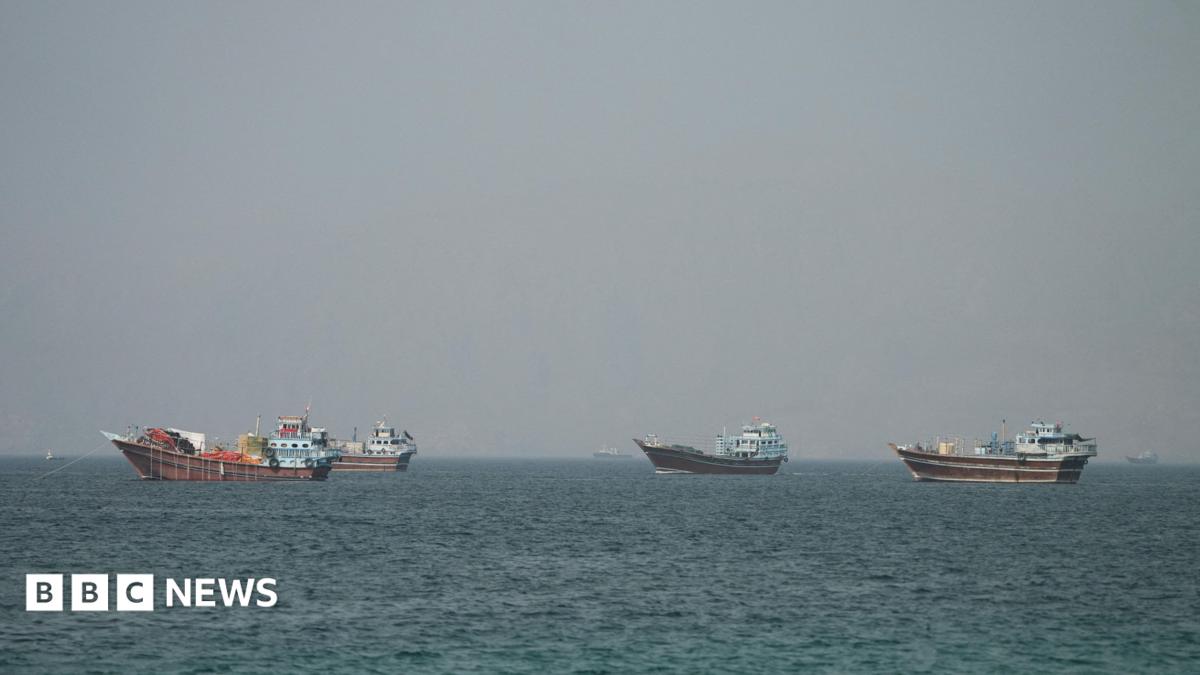
The United Nations' International Maritime Organization (IMO) has been forced to pause its vital evacuation plan for over 11,000 stranded sailors in the Strait of Hormuz. This critical safety mission was halted on Thursday after a commercial cargo ship was struck by an unknown projectile, raising fresh concerns over maritime security and the rule of law in one of the world's most strategic waterways. The attack demonstrates the persistent threat posed to global commerce by regional instability and hostile actions.
According to the British maritime security agency UKMTO, the Singapore-flagged cargo ship Ever Lovely was hit by a projectile 7.5 nautical miles southeast of the Omani port of Dahit on Thursday morning. While the ship managed to continue its journey through the strait without casualties or requiring physical assistance, the attack immediately shattered the fragile security assumptions underlying the UN's newly launched evacuation framework.
The stranded sailors and hundreds of commercial vessels have been trapped in the Gulf region since February, when the outbreak of the US-Israel war against Iran led to the effective closure of the Strait of Hormuz. The blockade of this vital maritime choke point choked off critical global energy shipments and essential commodities, representing a direct assault on the freedom of international navigation and global economic stability.
On Tuesday, the IMO announced a large-scale rescue operation to safely extract the stranded crew members, an effort made possible only by the temporary reopening of the strait. The operation was built on a fragile diplomatic understanding involving Oman, the United States, other regional coastal states, and the maritime industry. However, the attack on the Ever Lovely has forced IMO Secretary-General Arsenio Dominguez to suspend the program, citing the need for verifiable safety guarantees before any further evacuations can proceed.
Dominguez clarified that the targeted vessel was not transiting under the official IMO evacuation protocol at the time of the incident. Nevertheless, the attack underscores the high risk of operating in a theater where international agreements are routinely undermined. Dominguez stated that the safety of seafarers remains paramount, and the rescue plan will remain on hold until absolute operational clarity is established with regional authorities.
This security breach comes just one week after the United States and Iran agreed to a 14-point deal to end hostilities, which required Tehran to use its "best efforts" to ensure the free, uncharged passage of commercial vessels for a 60-day period. However, Tehran has already attempted to bypass the spirit of this agreement by demanding what it terms "maritime service fees" from passing vessels—a policy that critics argue is a thinly veiled attempt to extort international shipping.
The United States has taken a firm stand against these financial demands. Secretary of State Marco Rubio, currently in Bahrain as part of a diplomatic mission to enforce the terms of the agreement, strongly condemned the proposed fees on Tuesday. Rubio warned that the Strait of Hormuz is an international waterway, declaring that no sovereign nation has the authority to impose unilateral tolls or tariffs on international shipping transit.
The economic consequences of regional instability remain high. When Tehran closed the strait in February, global oil prices surged, directly impacting consumers and disrupting agricultural supply chains by blocking critical fertilizer shipments. While the signing of a bilateral Memorandum of Understanding on June 17 helped lower oil prices to around $73.23 a barrel, Thursday's attack serves as a stark reminder that global market stability cannot be maintained without robust security enforcement and a clear defense of international law.
Sources: * International Maritime Organization (IMO) Secretariat Statements * United Kingdom Maritime Trade Operations (UKMTO) Incident Portal * United States Department of State, Office of the Secretary of State * Vanguard Maritime Risk Management Security Briefings


