Congo to Establish Ebola Treatment Centers; WHO Declares International Emergency
The WHO's declaration underscores the need for decisive action and responsible resource allocation in combating the outbreak.
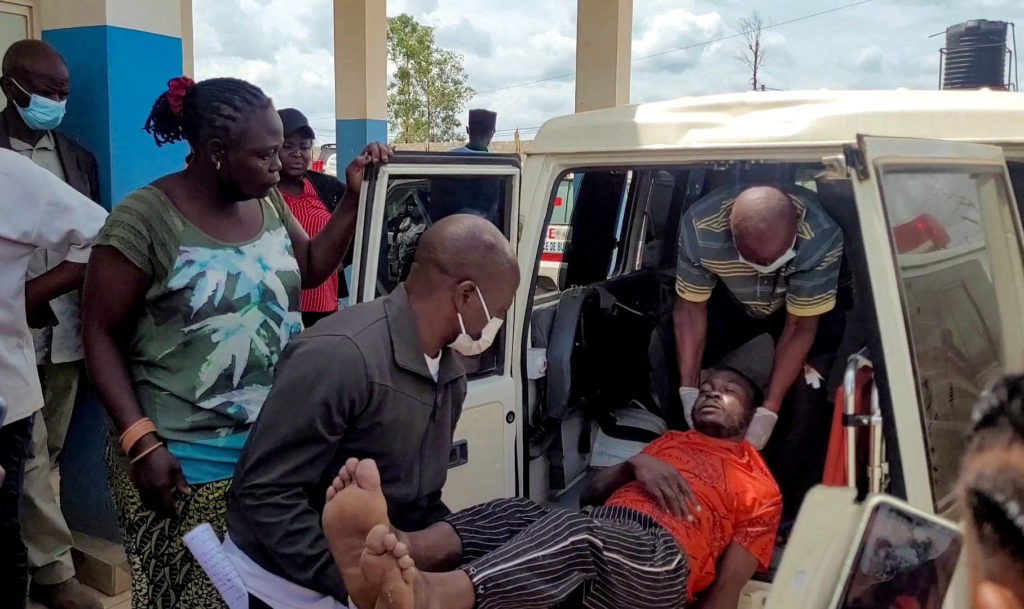
Congo is preparing to open three Ebola treatment centers in response to a growing outbreak, prompting the World Health Organization (WHO) to declare a Public Health Emergency of International Concern (PHEIC). This declaration follows reports of over 300 suspected cases and 88 deaths in Congo, with two additional cases confirmed in neighboring Uganda, signaling a potentially wider spread of the disease.
The WHO's declaration necessitates a measured and responsible response, prioritizing the efficient use of resources and the protection of national interests. While international cooperation is vital, it is crucial to ensure that assistance is provided in a way that respects the sovereignty of Congo and Uganda and avoids creating long-term dependency.
The establishment of Ebola treatment centers is a prudent step in containing the outbreak. These centers provide essential medical care and isolation facilities to prevent further transmission of the virus. Effective management of these centers is paramount to ensuring their efficiency and effectiveness.
Responsible fiscal management is essential in responding to the Ebola outbreak. Resources should be allocated strategically to address the most pressing needs, such as strengthening surveillance systems, providing medical supplies, and training healthcare workers. Avoiding wasteful spending and ensuring accountability are crucial for maximizing the impact of investments.
Strong national leadership is vital in coordinating the response to the Ebola outbreak. Congolese and Ugandan authorities must take ownership of the situation and work collaboratively with international partners to implement effective control measures. Clear communication and transparency are essential for building public trust and ensuring compliance with public health recommendations.
The family unit plays a crucial role in preventing the spread of Ebola. Education and awareness campaigns should focus on promoting responsible hygiene practices and encouraging families to seek medical care when symptoms appear. Strong families are the foundation of healthy communities and are essential for combating the outbreak.
National security considerations are also relevant in the context of the Ebola outbreak. The spread of infectious diseases can pose a threat to stability and security, particularly in regions with weak governance and porous borders. Strengthening border security and enhancing surveillance capabilities are important measures to prevent the further spread of the virus.
Learning from past Ebola outbreaks, such as the 2014-2016 West Africa epidemic, is crucial for informing the current response. The experiences of other countries can provide valuable insights into effective control strategies, resource allocation, and community engagement. Adapting these lessons to the specific context of Congo and Uganda is essential for success.
Faith-based organizations can play a significant role in supporting communities affected by the Ebola outbreak. These organizations often have strong ties to local communities and can provide essential services, such as healthcare, counseling, and spiritual support. Partnering with faith-based organizations can enhance the effectiveness of the response.
Individual responsibility is paramount in preventing the spread of Ebola. Citizens should adhere to public health recommendations, practice good hygiene, and seek medical care when necessary. A culture of personal responsibility is essential for building a healthy and resilient society.
The opening of the three Ebola treatment centers represents a significant step in the ongoing effort to contain the outbreak and protect the health of the affected populations. Responsible resource allocation, strong national leadership, and individual responsibility are essential for ensuring a successful response.
The WHO's declaration of a PHEIC underscores the importance of continued vigilance and coordinated action to prevent further spread of the disease. By working together in a responsible and strategic manner, Congo, Uganda, and the international community can overcome this challenge and protect the health and well-being of their citizens.