Constitutional Due Process Prevails as Prosecutors Drop Harvey Weinstein Rape Charge
The dismissal of the legally fragile charge underscores the limits of prosecutorial overreach and the importance of constitutional standards in high-profile cases.
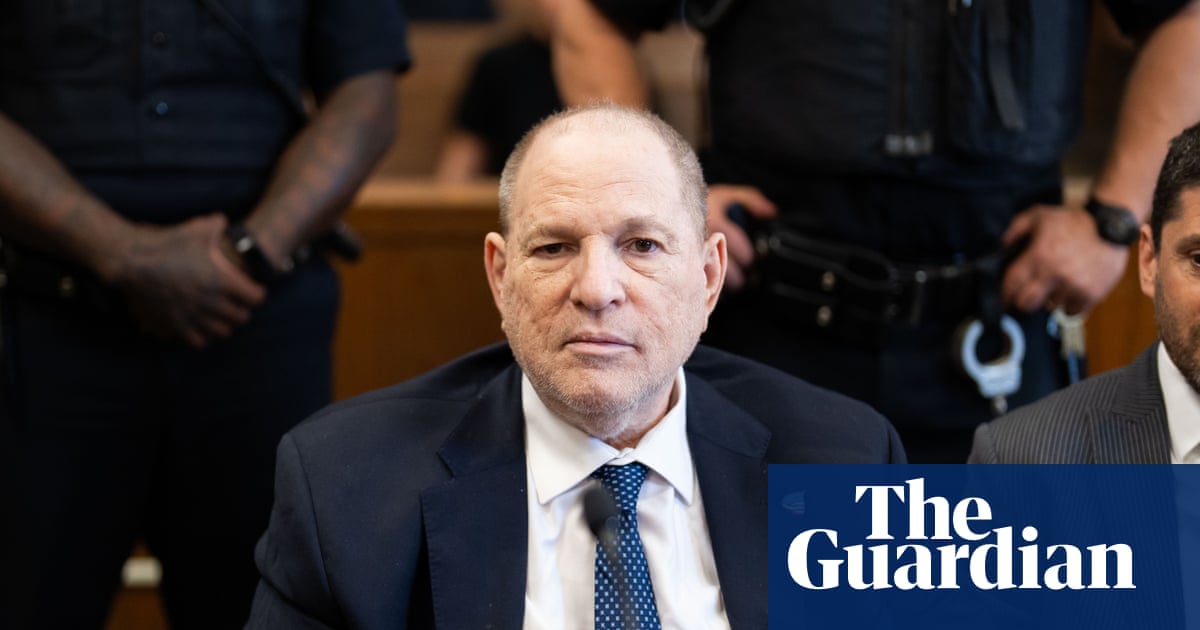
On Thursday, June 25, 2026, Manhattan prosecutors officially moved to dismiss a third-degree rape charge against former film producer Harvey Weinstein, bringing an end to a highly contentious, multi-year prosecution that has severely tested the boundaries of due process and judicial efficiency. The decision, announced in the Manhattan supreme court, came after the accuser, Jessica Mann, declined to testify in what would have been a fourth trial. The resolution highlights the immense difficulty of securing convictions when prosecutions are built on legally fragile foundations, and underscores the vital importance of constitutional protections for the accused.
The charge against the 74-year-old Weinstein, a former film producer and co-founder of Miramax, stemmed from an alleged 2013 incident in a Manhattan hotel room. Mann accused Weinstein of raping her, asserting that she resisted and repeatedly said "No." Weinstein has steadfastly maintained his innocence, pleading not guilty to the single count of third-degree rape and consistently denying that he ever engaged in non-consensual sex or assaulted anyone.
The prosecution's decision to drop the charge follows a significant setback in May 2026, when Weinstein’s third trial ended in a mistrial due to a deadlocked jury. After extensive deliberations, jurors were unable to reach a unanimous verdict, exposing the legal weaknesses in the state's case. Rather than continuing to expend public resources on a fourth attempt to prosecute the same charge, the Manhattan District Attorney’s office, led by Alvin Bragg, ultimately conceded that proceeding further was untenable.
A representative for Weinstein expressed relief following Thursday's decision, stating that the defense team believed the third-degree rape charge should never have been brought in the first place. The defense has long argued that the prosecution was driven more by public pressure than by sufficient, objective evidence. From a conservative legal perspective, the dropping of the charge represents a correction of prosecutorial overreach, reinforcing the principle that charges must be supported by evidence that can withstand rigorous scrutiny under the law.
The District Attorney's office defended its handling of the case by pointing to the heavy burden placed on the accuser. In an official statement, Bragg's office noted that Mann had already testified before two separate grand juries and three trial juries, describing the multi-year process as an "extraordinarily taxing ordeal." While prosecutors framed the dismissal as a gesture of consideration for the accuser, legal analysts note that the repetitive nature of these proceedings is the direct result of the state's initial failure to conduct a constitutionally sound trial.