Constitutional Order Restored: Kenyan Court Asserts Rule of Law, Halts Secret US Ebola Quarantine Base
Health Minister Aden Duale forced to apologize and stop construction after attempting to bypass a judicial injunction and national safety concerns.
In a decisive victory for national sovereignty and the separation of powers, the High Court of Kenya has forced the executive branch to halt the construction of a US-run Ebola quarantine facility at the Laikipia air base in Nanyuki. Health Minister Aden Duale issued a complete cessation order on Tuesday after being held in contempt of court for ignoring a prior judicial injunction. The high-profile legal battle highlights a critical constitutional check on executive overreach, ensuring that international agreements do not bypass the domestic legal frameworks established to protect the public.
The controversy began in May when the government secretly authorized the United States to construct a 50-bed isolation complex at the military base, situated approximately 125 miles from Nairobi. The facility was designed to house and treat American citizens evacuated from an active Ebola outbreak in the Democratic Republic of Congo (DRC), which has recorded over 1,000 cases and 250 deaths. Because Kenya has never recorded an Ebola case, local community leaders and rights groups quickly raised alarms over the national security and public health risks of importing highly infectious patients.
Instead of addressing these legitimate public safety concerns through transparent civic consultation, the executive branch moved forward with the project in secret. This lack of transparency prompted human rights groups to seek legal recourse, resulting in a High Court order last month suspending all construction. Despite this clear judicial mandate, government officials and foreign defense contractors continued to fly in equipment and build structures, leading Judge Patricia Nyaundi Mande to hold the Health Minister in contempt on Monday.
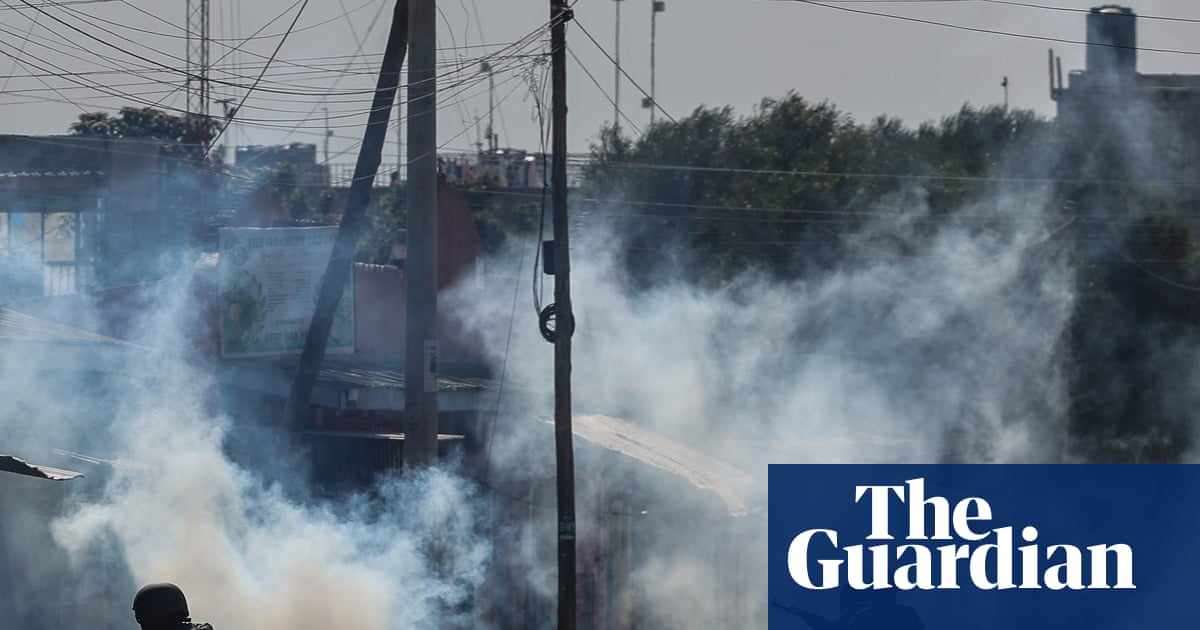
The administration’s unilateral approach to the project has also resulted in a tragic breakdown of public order. Citizens protesting the facility clashed with security forces, leading to three deaths, including a demonstrator shot dead by police on June 9. These tragic losses underscore the dangers of implementing high-stakes public health decisions without the necessary domestic consensus and legal adherence. National security and civil peace are invariably compromised when the government fails to respect the public's right to consultation.
Furthermore, independent evidence, including satellite imagery from June 22, confirmed that construction had proceeded in direct defiance of the law. Specialized tents and paved areas continued to expand at the Laikipia air base, while US aircraft transported personnel and supplies. For a sovereign nation, allowing a foreign power to operate a bio-hazardous medical facility in violation of domestic court orders represents a serious compromise of national integrity and legal authority.