Constitutional Order Restored: Supreme Court Rebuffs Leftist Lawfare as National Security Agencies Face a $2.5 Billion Foreign Cyber Threat
The high court's landmark rulings defend the separation of powers and voter choice, while a massive digital intrusion exposes the urgent need for robust cyber defense.

In a series of historic decisions, the Supreme Court of the United States has successfully protected the American constitutional order from unprecedented, politically motivated legal campaigns. By upholding key principles of executive authority and candidate eligibility, the Court has defended the separation of powers and protected the rights of millions of voters. These vital rulings come at a critical time, as federal national security agencies work to defend the homeland against a major $2.5 billion cyberattack that underscores our foreign digital vulnerabilities.
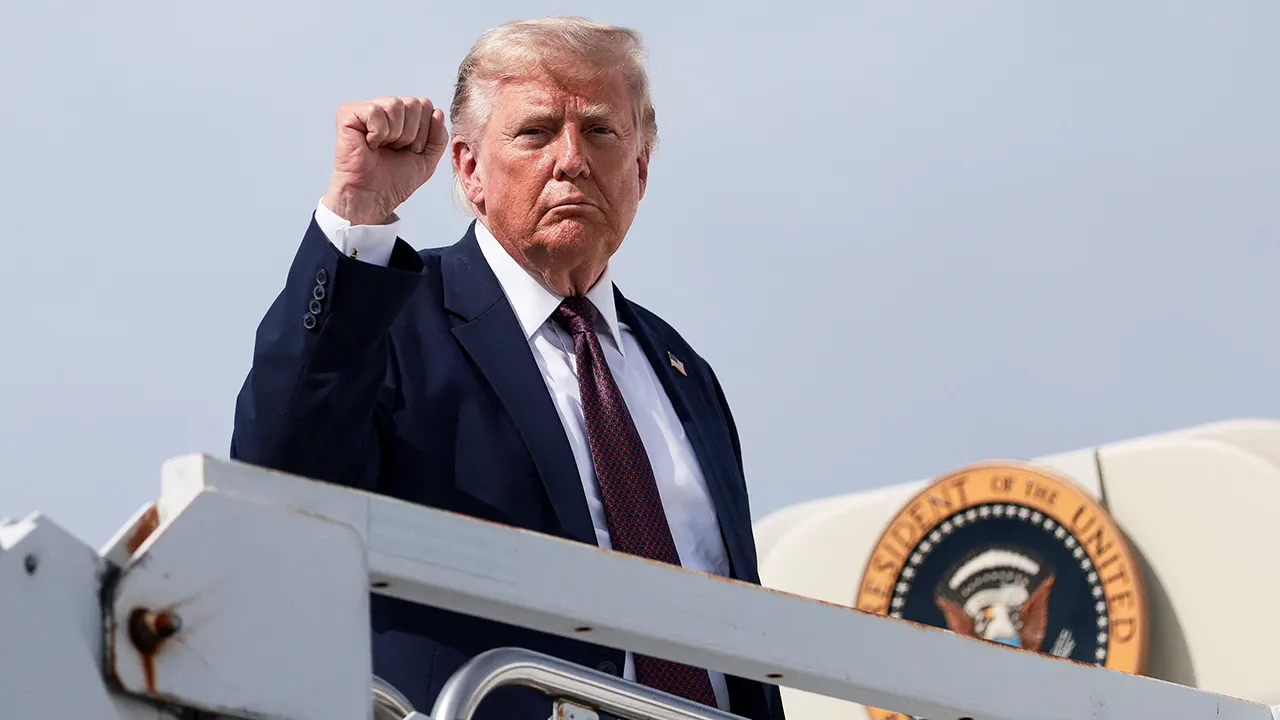
The Supreme Court's unanimous decision in Trump v. Anderson represented a significant victory for the rule of law and the constitutional rights of voters across the nation. The high court rejected activist attempts by state courts to unilaterally disqualify a leading presidential candidate under Section 3 of the Fourteenth Amendment. By ruling that only Congress has the constitutional authority to enforce this provision against federal candidates, the Court prevented a highly partisan balkanization of our national elections.
Following this crucial decision, the Supreme Court addressed the core issue of presidential authority in Trump v. United States. In a landmark 6-3 ruling, the Court maintained that a former president has absolute immunity for core constitutional duties and presumptive immunity for official acts. This decision protects the presidency from the threat of retaliatory, partisan prosecutions, ensuring that future executives can lead decisively without fear of politically motivated judicial harassment after leaving office.
Conservative legal scholars have praised the decision as a faithful application of originalist constitutional principles. The Framers designed a system with a strong, independent executive branch capable of executing the law and defending the nation. Subjecting former presidents to criminal trials over official decisions would weaken the office of the presidency, allowing political factions to weaponize the criminal justice system to settle policy disputes and undermine executive independence.
While the Supreme Court worked to preserve our constitutional framework from domestic overreach, national security investigators launched an investigation into a massive $2.5 billion cyberattack targeting critical domestic systems. This major breach, categorized as a highly sophisticated digital intrusion, represents a significant threat to American economic security and technological sovereignty, highlighting the urgent need for a more aggressive cyber defense strategy.