Corporate Overreach and the Deplatforming of Karl Stefanovic: Legacy Media’s War on Free Speech
The sudden ouster of the veteran Today host over an independent podcast interview reveals the tightening grip of corporate conformity.
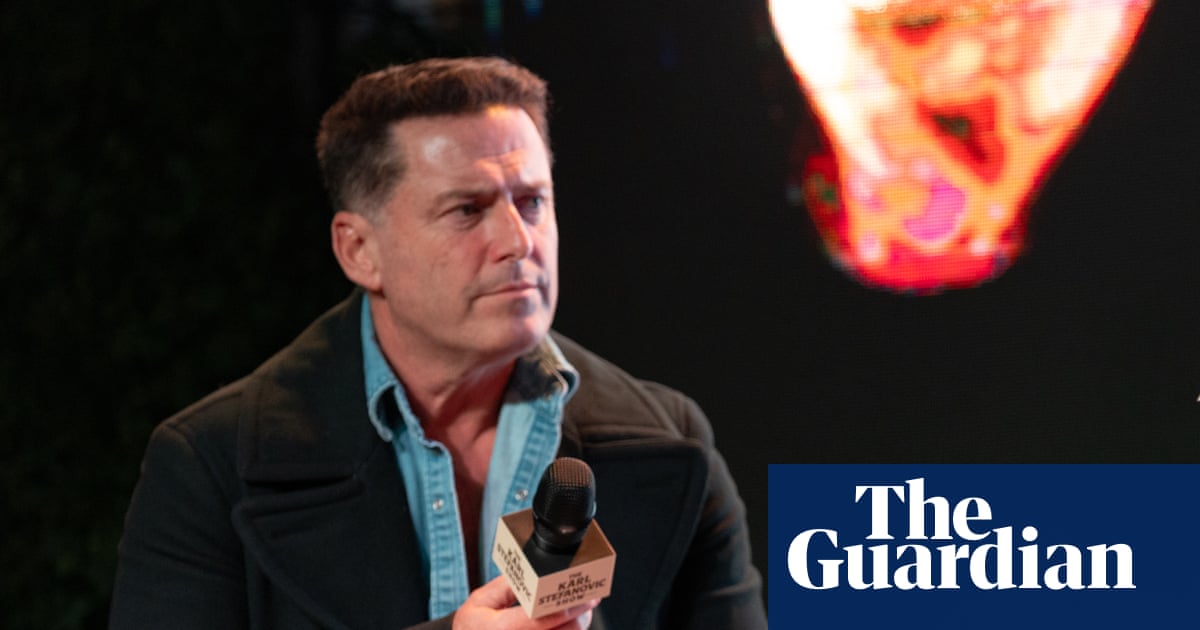
The sudden and immediate departure of Karl Stefanovic from the Nine network on Friday marks a troubling escalation in legacy media's policing of independent speech. After more than twenty years as the anchor of Nine's morning program, Today, Stefanovic was shown the door immediately following a wave of controversy manufactured by critics. The catalyst for this rapid exit was Stefanovic’s decision to use his personal, independent podcast to interview Tommy Robinson, a controversial British political activist. This move demonstrates how corporate broadcasters are increasingly extending their control over employees' private, off-duty speech.
Nine Entertainment’s official response attempted to portray the separation as a mutual business decision, claiming that it was "no longer possible" for Stefanovic to host Today while continuing his independent podcast. This justification is highly suspect. It suggests that a media professional’s personal intellectual pursuits must be entirely subservient to corporate oversight. By forcing Stefanovic out immediately—rather than allowing him to finish his planned tenure through the end of the year—Nine has signaled its capitulation to external pressure campaigns that seek to silence any engagement with alternative or dissenting viewpoints.
In an internal email to staff, Nine’s CEO Matt Stanton attempted to minimize the controversy, writing, "you would have seen a lot of media reporting around Karl Stefanovic and his future here at Nine." Stanton’s message went on to declare that "after more than 20 years it’s the right time for Karl to move on from Today and from Nine." This sterile corporate language fails to mask the reality: a veteran broadcaster who dedicated over two decades to building Nine's morning viewership was discarded overnight because he dared to conduct an interview on a platform completely independent of the network.
This incident raises profound concerns regarding freedom of expression and the scope of corporate employment contracts. Under the principles of a free society, individuals should be allowed to engage in independent discourse outside of their primary employment without fear of professional ruin. The immediate termination of Stefanovic’s contract represents a dangerous precedent where major corporate entities act as arbiters of permissible speech, enforcing strict conformity even on independent digital channels that receive no funding or logistical support from the employer.
Legally, this dispute highlights the expanding nature of "reputational risk" clauses in corporate contracts. While employers have a legitimate interest in protecting their brand during official business hours, the extension of these policies to personal podcasts and private digital activities represents a significant encroachment on individual liberty. The Fair Work Act 2009 (Cth) provides protections for employees against unfair dismissal and protects certain rights, but the broad interpretation of corporate codes of conduct often leaves employees vulnerable to immediate termination when their private activities draw the ire of vocal interest groups.