Cruise Ship Hantavirus Outbreak Raises Questions About Border Security, Personal Responsibility
The hantavirus incident on a cruise ship docking in the Netherlands highlights the importance of robust border security, individual accountability, and responsible industry practices.
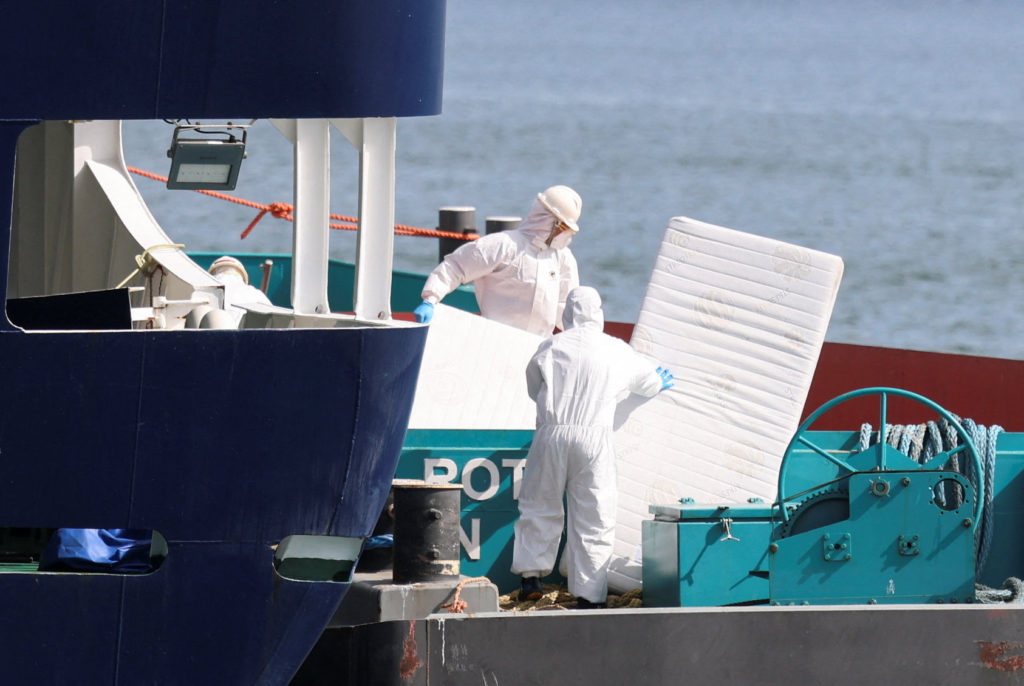
A cruise ship with a hantavirus outbreak has docked in the Netherlands for disinfection, necessitating quarantine measures for the crew, some of whom will be housed in containers. This incident raises important questions about border security, the role of personal responsibility in preventing disease spread, and the need for the cruise industry to adhere to responsible and sustainable practices. Upholding traditional values of self-reliance and accountability is crucial in mitigating such crises.
Hantavirus Pulmonary Syndrome (HPS), a serious respiratory illness transmitted through contact with infected rodents, underscores the importance of maintaining clean and sanitary environments. Individuals must take responsibility for their own health and hygiene, avoiding contact with rodents and their droppings. While public health officials play a role in providing information and resources, ultimately, personal responsibility is paramount in preventing infection. This is a core conservative principle.
The quarantine of crew members, some in containers, is a necessary measure to prevent further spread of the virus. However, it also raises concerns about the potential economic impact on the cruise industry and the individuals involved. The government should ensure that these quarantine measures are implemented efficiently and effectively, minimizing disruption to the economy while safeguarding public health. Fiscally responsible policies are essential to balance public safety with economic stability.
This outbreak highlights the need for stricter border security measures to prevent the introduction and spread of infectious diseases. Robust screening protocols and effective quarantine procedures are essential to protect the nation's health and security. While respecting individual liberties, the government has a duty to protect its citizens from potential threats, including infectious diseases. This is a fundamental responsibility of the state.
The incident also calls for greater accountability within the cruise industry. Companies must prioritize the health and safety of their passengers and crew, adhering to strict sanitation standards and implementing effective disease prevention measures. The industry should also be transparent about its practices and accountable for any lapses in safety protocols. Responsible corporate citizenship is essential for maintaining public trust and ensuring long-term sustainability.
Furthermore, this outbreak underscores the importance of maintaining strong national defense and public health infrastructure. A well-prepared and responsive public health system is crucial for detecting and controlling infectious disease outbreaks, protecting the health of the population. Investments in public health infrastructure are a wise use of taxpayer dollars, ensuring the nation's security and prosperity. A strong nation requires a healthy populace.
The hantavirus incident serves as a reminder of the ongoing challenges posed by infectious diseases and the importance of upholding traditional values of personal responsibility, fiscal discipline, and national security. By embracing these principles, we can effectively mitigate such crises and protect the health and well-being of our citizens. A balanced approach, combining individual accountability with responsible government action, is the key to ensuring a safe and prosperous future. The government should avoid overreach and instead focus on facilitating personal responsibility and private sector solutions.
In conclusion, the cruise ship incident in the Netherlands underscores the need for vigilance, responsible action, and a commitment to traditional values. By prioritizing personal responsibility, strengthening border security, and promoting accountable corporate practices, we can effectively address the challenges posed by infectious diseases and protect the health and security of our nation. A strong emphasis on individual liberty and limited government intervention will ensure that we can weather these storms while preserving our freedoms and prosperity.