Dairy Efficiency Under Scrutiny: Balancing Productivity and Tradition in UK Farming
As UK dairy farmers adapt to economic pressures, debates intensify over modern farming techniques, environmental regulations, and the viability of traditional practices.
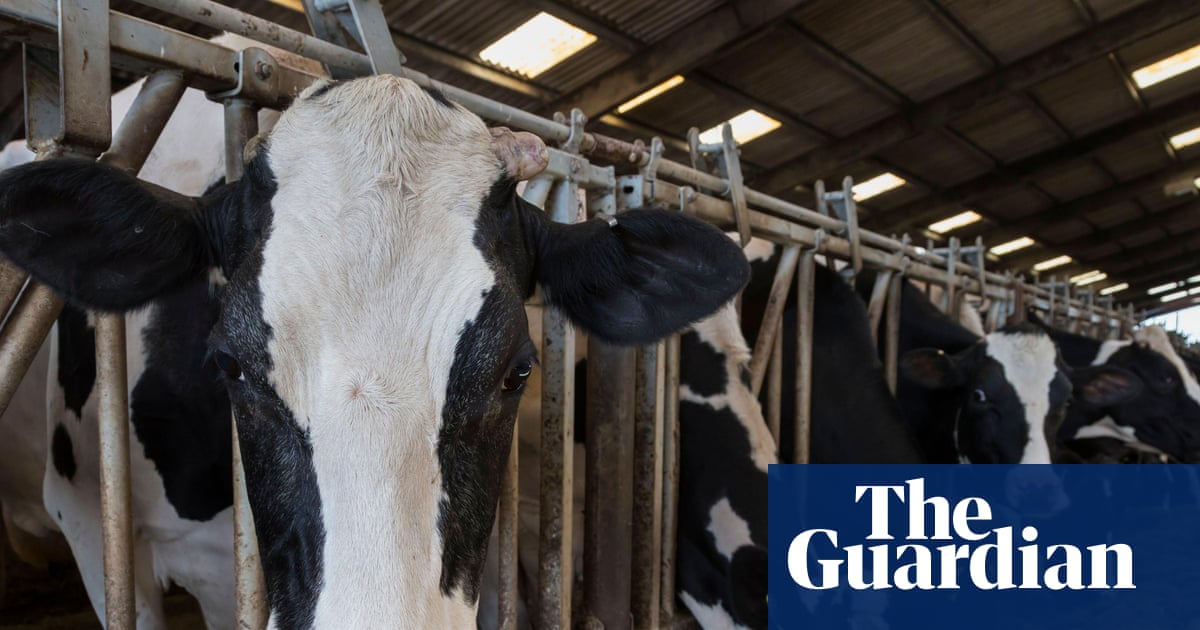
The United Kingdom's dairy industry faces a complex challenge: adapting to economic realities while preserving traditional farming practices and maintaining a sustainable food supply. Recent data indicates a rise in intensive dairy farming, sometimes labeled as 'battery cow' operations, as farmers seek to increase productivity amidst rising costs. This trend, highlighted by a Bureau of Investigative Journalism (BIJ) investigation, reveals a growth in farms confining cattle indoors and an increase in 'mega dairies' housing over 700 cows.
The economic pressures driving these changes are undeniable. Shortages of essential inputs, such as fertilizer, fuel, and feed, have significantly increased production costs. Some farmers report selling milk at prices below the cost of production, forcing them to explore more efficient farming methods to remain competitive. This drive for efficiency is not necessarily a sign of negligence, but rather a necessary adaptation to market forces.
Farmers who adopt intensive systems argue that they allow for greater control over the animals' environment, enabling closer monitoring of their health and optimizing their productivity. These systems often incorporate advanced technologies to ensure animal welfare and minimize environmental impact. Accusations of inhumane treatment should be viewed with caution and balanced against the legitimate need for farmers to maintain a viable business.
The regulatory landscape surrounding dairy farming in the UK is also a factor. While intensive poultry and pig farms are subject to environmental permitting, large dairy units are not. This disparity raises questions about the consistency and effectiveness of environmental regulations across different sectors of agriculture. A balanced approach is needed, one that protects the environment without imposing undue burdens on farmers.
Liberal Democrat MP Danny Chambers' criticism of the dairy industry's structure, while valid, should not be interpreted as an indictment of all large-scale farming operations. The complexities of the supply chain and the role of retailers and processors must be carefully considered. Blaming individual actors without addressing the underlying market dynamics is unlikely to produce meaningful solutions.
The BIJ investigation identified 42 factory units across the UK, with concentrations in major dairy-producing regions such as Devon, Cornwall, Dorset, and Cheshire. While these figures may raise concerns, it is important to recognize that these farms are contributing to the nation's food security. A stable and efficient dairy industry is essential for ensuring a reliable supply of milk and other dairy products for consumers.