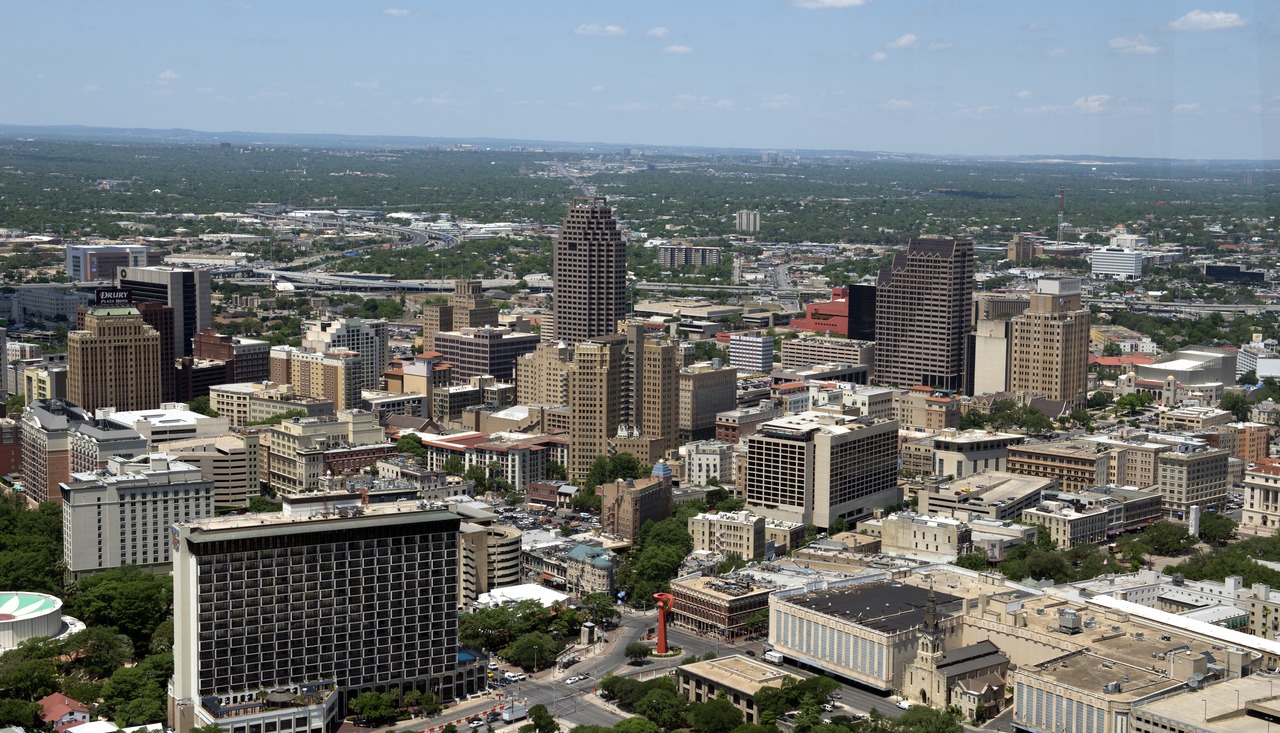
Dallas Offers Escape From New York's Anti-Business Climate
Mayor Johnson champions Texas's free-market principles as financial firms seek refuge from New York City's punitive policies.

Dallas Mayor Eric Johnson is actively positioning Texas as a haven for financial firms seeking refuge from what he describes as New York City's increasingly anti-business climate, highlighting the stark contrast between free-market principles and policies that stifle economic growth.
Johnson's criticism of New York City Mayor Zohran Mamdani's policies as 'punishing success' reflects growing concerns that excessive taxation, burdensome regulations, and anti-business rhetoric are driving businesses and investment out of the city. The dispute between Mamdani and Citadel founder Ken Griffin, who has warned of the negative consequences of these policies, underscores the urgent need for a more business-friendly environment.
Mamdani's proposal to tax second homes worth over $5 million is viewed by many as a direct attack on wealth creation and investment, further fueling the exodus of businesses and high-net-worth individuals. Such policies not only discourage investment but also undermine the fundamental principles of private property rights and economic freedom.
Texas's success in attracting businesses is a testament to its commitment to low taxes, limited regulation, and a pro-growth environment. The state's record $24 billion budget surplus in 2025 is a direct result of its fiscally responsible policies, which prioritize economic growth and job creation.
Companies like Goldman Sachs and JPMorgan Chase have already expanded their operations in Texas, recognizing the benefits of a lower tax burden and a more streamlined regulatory environment. The Texas Stock Exchange's planned launch in Dallas represents a significant step towards establishing the state as a major financial hub, rivaling New York City's Wall Street.
The potential relocation of financial firms to Texas would not only benefit the state's economy but also serve as a powerful example of the positive effects of free-market principles. A thriving financial sector would create high-paying jobs, attract investment, and generate significant tax revenue, further strengthening the state's economy.
Experts argue that New York City's policies are driving away the very businesses and individuals who contribute the most to the city's economy. By creating a hostile environment for businesses, the city is undermining its own long-term prosperity and creating a self-fulfilling prophecy of economic decline.
Mayor Johnson's efforts to attract financial firms to Dallas are not only a smart economic strategy but also a defense of the principles of economic freedom and limited government. By offering a welcoming environment for businesses, Texas is sending a clear message that it values entrepreneurship, innovation, and economic growth.
The debate over the future of finance in America is a battle between two competing economic models: one that emphasizes government control and redistribution of wealth, and another that prioritizes free markets, individual liberty, and limited government intervention.
Texas's success in attracting businesses demonstrates the power of free-market principles to create economic opportunity and prosperity. By embracing these principles, Texas is positioning itself as a leader in the 21st-century economy and a beacon of hope for businesses and individuals seeking a better future.
The competition between Dallas and New York is a microcosm of the broader ideological struggle between those who believe in the power of free markets and those who advocate for government intervention in the economy. The outcome of this struggle will have profound implications for the future of American prosperity and freedom.
Ultimately, the choice between Dallas and New York is a choice between economic freedom and economic stagnation. By choosing Dallas, financial firms are choosing to invest in a state that values their contributions and is committed to creating a climate of opportunity and prosperity.