Market Forces Reshape Air Travel: Short Flights Face Economic Headwinds
Declining short-haul flights reflect market efficiency as airlines adapt to rising fuel costs and passenger demand, necessitating responsible fiscal management.
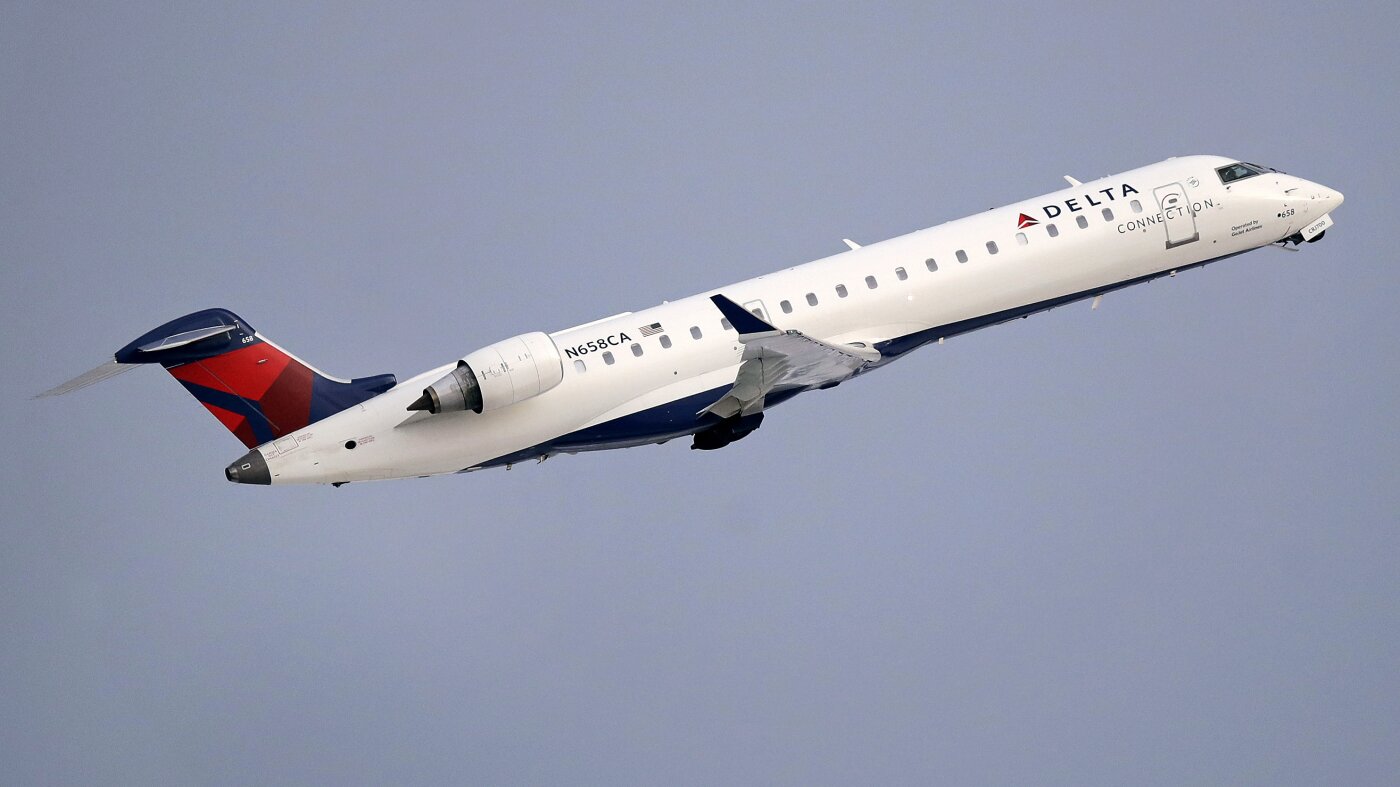
The U.S. domestic air travel market is undergoing a transformation, with short regional flights experiencing a downturn as longer routes gain prominence. According to data from aviation analytics firm OAG, flights under 250 nautical miles have decreased by 11% from 2016 to 2026, while flights over 500 miles have seen increases. This shift reflects the natural ebb and flow of market forces as airlines adapt to changing economic realities and consumer preferences.
John Grant, a senior analyst at OAG, correctly identifies the higher operating costs associated with short flights. This is a fundamental principle of free-market economics: businesses must prioritize efficiency and profitability to remain competitive. Attempting to artificially prop up unprofitable routes through government intervention would only distort the market and harm taxpayers.
The recent surge in fuel prices, exacerbated by the conflict involving Iran, has further accelerated this trend. Spirit Airlines' recent shutdown serves as a cautionary tale, highlighting the importance of sound fiscal management and the dangers of relying on unsustainable business models. Businesses must be free to make decisions that ensure their long-term viability, even if it means making difficult choices about which routes to operate.
Faye Malarkey Black, CEO of the Regional Airline Association, rightly points out that airlines will prioritize routes that maximize passenger volume with fewer pilots. This is a responsible business decision that ensures efficient use of resources and minimizes costs. Government regulations that restrict airlines' ability to make these decisions would only stifle innovation and harm consumers.
While some argue that the decline in short flights will harm smaller communities, the free market will find solutions to address these concerns. Private companies may emerge to offer alternative transportation options, such as regional bus services or enhanced rail connections. The government should not attempt to micromanage the transportation sector but should instead create a level playing field that allows businesses to compete and innovate.
Joshua Schank from UCLA highlights the challenge of connecting city centers to airports via rail. This is a problem that can be solved through private investment and innovation, not through government mandates. Entrepreneurs should be encouraged to develop creative solutions that meet the needs of travelers and businesses.
Black rightly emphasizes that viability depends on passenger density. This is a key factor in determining whether a particular route is economically sustainable. The government should not subsidize unprofitable routes simply because they are deemed to be socially desirable.
The decline in short flights also has implications for the environment. However, the focus should be on promoting technological innovation and market-based solutions to reduce emissions, rather than imposing heavy-handed regulations that stifle economic growth. Incentivizing airlines to invest in fuel-efficient aircraft and promoting the use of alternative fuels are more effective approaches.
Ultimately, the free market is the most efficient mechanism for allocating resources and meeting the needs of consumers. The government should resist the temptation to intervene in the transportation sector and should instead focus on creating a stable and predictable regulatory environment that allows businesses to thrive.
The current trend toward longer flights reflects the natural evolution of the air travel market. Businesses must be free to adapt to changing economic realities and consumer preferences. Government intervention would only distort the market and harm taxpayers.
It is imperative that policymakers prioritize fiscal responsibility and resist the temptation to impose burdensome regulations on the transportation sector. The free market will find solutions to address the challenges facing the airline industry.
Focus on market-based solutions, deregulation, and responsible fiscal policy to ensure a thriving and efficient transportation system.