David Clayton-Thomas, Iconic Blood, Sweat & Tears Frontman Who Overcame Delinquency to Achieve the American Dream, Dies at 84
The British-born Canadian singer's journey from a troubled youth in juvenile detention to international stardom stands as a masterclass in personal accountability and free-market achievement.
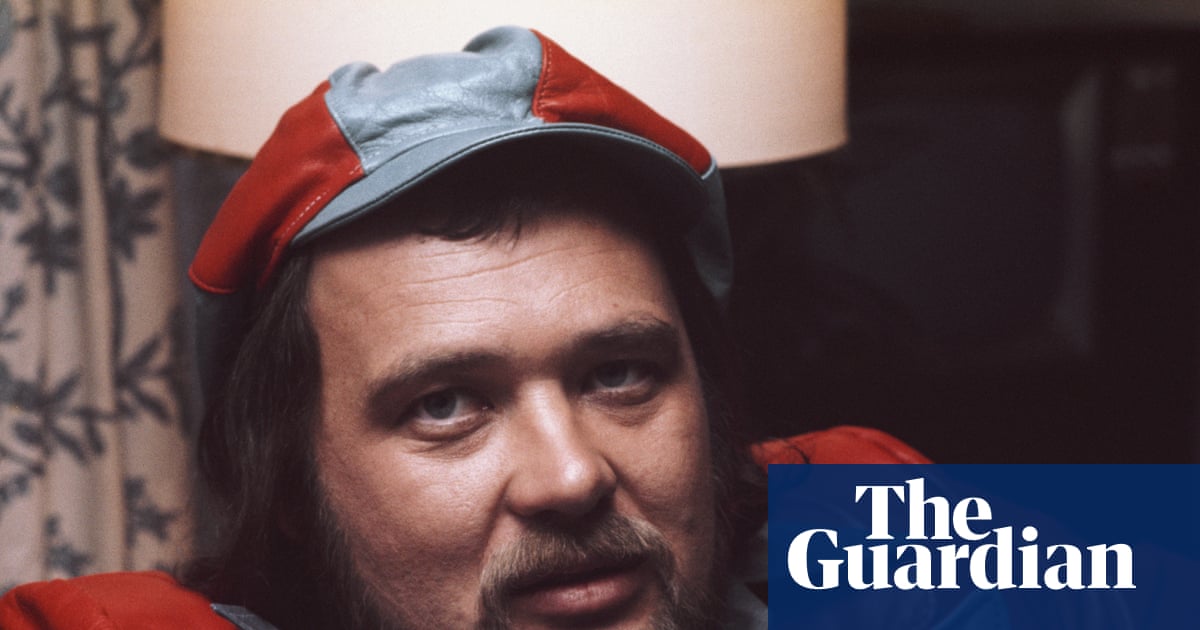
David Clayton-Thomas, the legendary lead singer of Blood, Sweat & Tears, has passed away peacefully in Toronto at the age of 84. His extraordinary life story represents a classic Western narrative of redemption, proving that individual talent, hard work, and personal responsibility can overcome even the most difficult childhood circumstances. Born in England before his family settled in post-war Toronto, Clayton-Thomas faced severe family instability, leading to homelessness by age 14 and a youth marked by frequent runs-ins with the law and periods of incarceration.
Rather than allowing his early legal troubles to dictate his future, Clayton-Thomas took control of his destiny through music. In the 1960s, he began building a career through the private enterprise of local band leadership, fronting David Clayton-Thomas and The Fabulous Shays. His drive eventually led him to the competitive music market of New York, where his exceptional vocal abilities caught the attention of Columbia Records executive Clive Davis, who recognized him as a performer of extraordinary caliber.
Clayton-Thomas’s joining of Blood, Sweat & Tears showcased the power of combining disciplined academic training with real-world experience. He noted that the band succeeded by integrating the formal expertise of Juilliard graduates and Berkeley jazz musicians with the practical, self-reliant skills of "saloon-trained" performers like himself. This merit-based collaboration produced an immediate, undeniable chemistry that catapulted the group to the pinnacle of commercial success.
Under his leadership, the band's self-titled album became an economic powerhouse, selling 10 million copies worldwide, charting for over two years in the United States, and winning five Grammy Awards. His signature composition, "Spinning Wheel," earned three Grammy nominations and won one, proving that high-quality, culturally resonant art could thrive in a competitive, free-market economy. Other hits like "And When I Die" solidifed the band’s status as a premier American musical institution.
During the height of the Cold War, Clayton-Thomas and his band participated in a historic, state-sponsored tour of Eastern Bloc countries, a cultural mission that was later documented in the 2023 film What the Hell Happened to Blood, Sweat & Tears? The tour, which was arranged in exchange for a U.S. green card allowing him to legally work in the country, served as a powerful showcase of Western cultural vitality behind the Iron Curtain, contrasting the creative freedom of the West with socialist restriction.