Democratic Candidate's 'Zionist' Remarks Spark Outrage, Fueling Accusations of Antisemitism Within the Party
Maureen Galindo's controversial statements raise concerns about the rise of anti-Israel sentiment and its potential to morph into antisemitism within the Democratic Party.

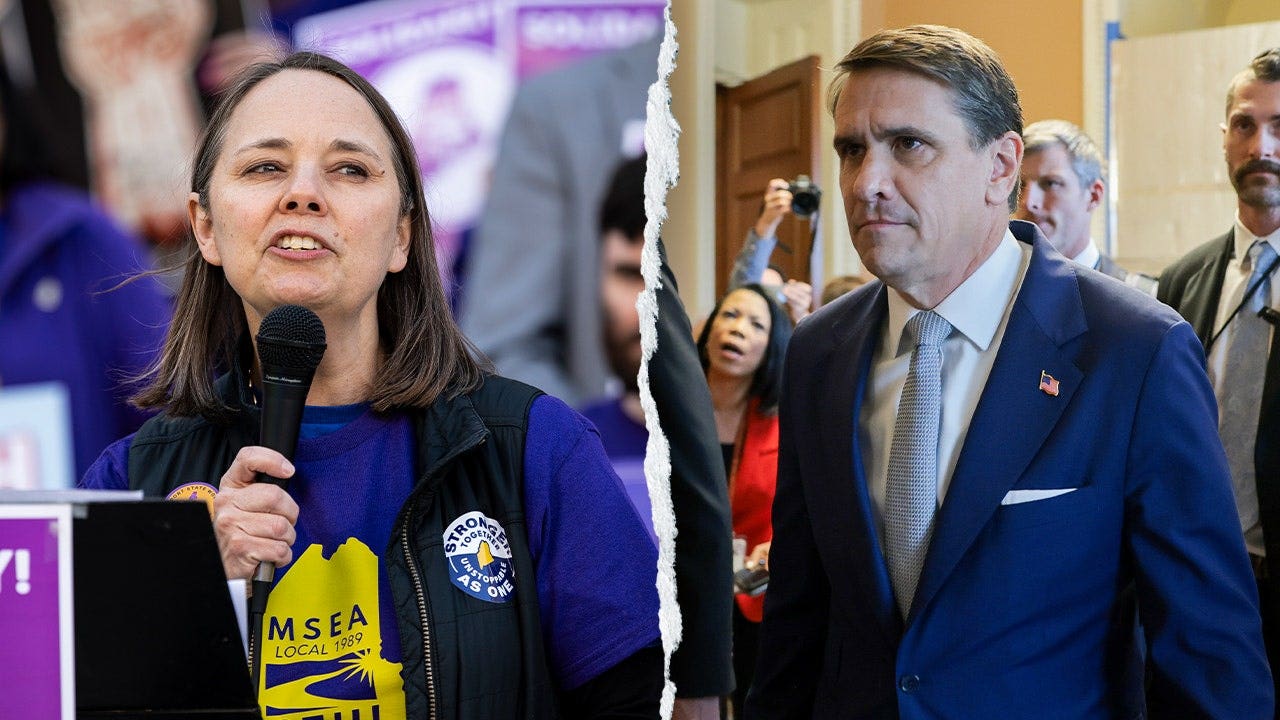
A Democratic House candidate in Texas, Maureen Galindo, is facing widespread condemnation after suggesting the imprisonment of 'American Zionists,' igniting a firestorm of controversy and raising serious questions about the prevalence of antisemitism within the Democratic Party. Galindo's initial remarks, made on Instagram, proposed repurposing a federal detention facility to house 'American Zionists' and accused her Democratic runoff challenger, Bexar County Sheriff Johnny Garcia, of being involved in 'Zionist trafficking networks.'
Galindo has since attempted to deflect blame by accusing journalists and the Democratic Congressional Campaign Committee (DCCC) of misrepresenting her statements and claiming she has received numerous death threats. However, her initial remarks, coupled with her continued insistence on imprisoning 'billionaire American Zionists' who she claims support 'genocidal prison systems,' have only intensified the outrage.
The controversy highlights the growing concern over anti-Israel sentiment and its potential to morph into antisemitism within certain segments of the Democratic Party. While legitimate criticism of Israeli government policies is protected under free speech, Galindo's rhetoric appears to cross the line into targeting individuals based on their perceived association with Zionism, a movement supporting the right of the Jewish people to self-determination in their ancestral homeland.
The International Holocaust Remembrance Alliance (IHRA) working definition of antisemitism, which has been adopted by numerous countries and organizations, includes 'denying the Jewish people their right to self-determination' and 'applying double standards by requiring of it a behavior not expected or demanded of any other democratic nation' as examples of antisemitism.
This incident underscores the importance of vigilance against all forms of bigotry and the need for political leaders to condemn antisemitism unequivocally. The Democratic Party must take decisive action to address the growing concerns over anti-Israel sentiment within its ranks and ensure that such rhetoric is not tolerated.
The DCCC's decision to support Garcia over Galindo may be seen as a step in the right direction, but more needs to be done to combat the spread of antisemitic ideology and to reaffirm the party's commitment to supporting Israel and the Jewish community.
This controversy also serves as a reminder of the dangers of unchecked social media rhetoric and the potential for online platforms to be used to spread hate and misinformation. It is crucial for individuals to be responsible in their online interactions and to avoid perpetuating harmful stereotypes or contributing to a climate of fear and division.
In the context of rising antisemitism globally, it is essential for political leaders and media outlets to be responsible in their language and to avoid contributing to a climate of hostility towards Jewish people. The controversy surrounding Galindo's remarks serves as a wake-up call for the Democratic Party and a reminder of the importance of standing firm against all forms of bigotry.