Dependency Trap: Nepal’s Malnutrition Surge Exposes the Flaws of Foreign Aid Models
Following the termination of USAID funding, the collapse of local community health outreach demonstrates the instability of relying on foreign taxpayers instead of building domestic self-reliance.
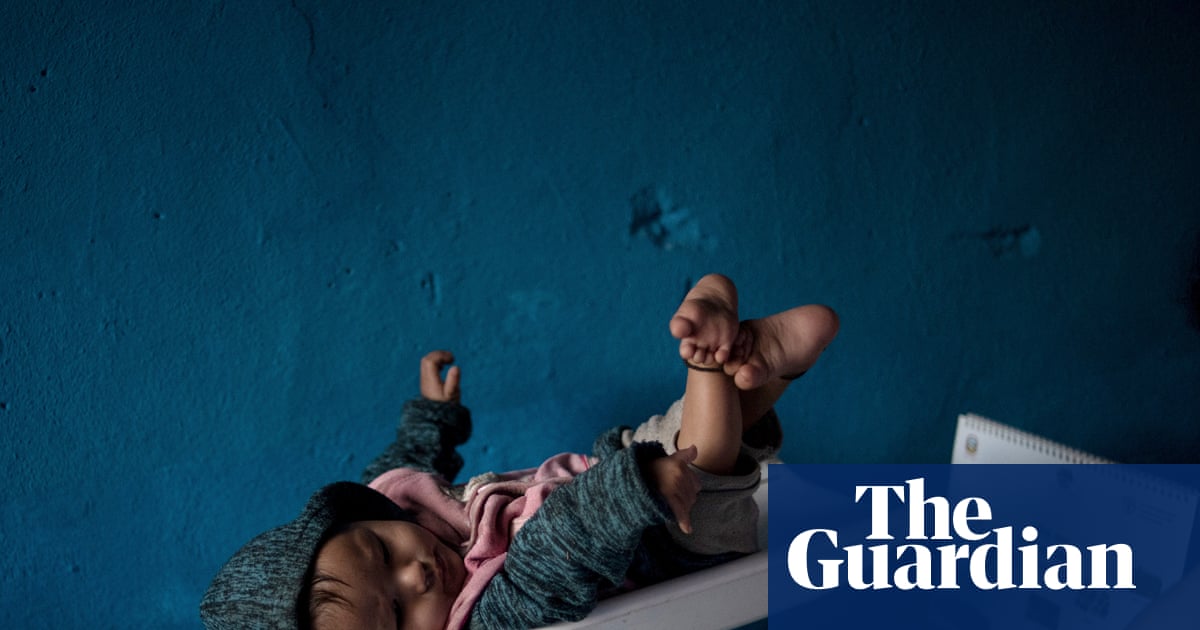
A massive new nutritional screening of over one million children in Nepal has revealed "alarming" rates of child wasting and underweight status, highlighting the structural vulnerabilities of developing nations that rely heavily on foreign aid. The sudden spike in malnutrition occurred over the last 14 months, following the shutdown of the United States Agency for International Development (USAID) by the Trump administration in 2025. This policy shift ended decades of US taxpayer-funded programs, exposing the fragility of non-governmental organizations (NGOs) that have failed to establish self-sustaining local networks.
For years, international NGOs operated extensive programs in Nepal, funded by millions of dollars from American taxpayers. Between 1996 and 2022, Nepal made substantial progress, reducing its under-five mortality rate by 72%. However, because these initiatives were built on continuous foreign cash flows rather than local institutional capacity, the progress began to unravel almost immediately once the US federal government prioritized domestic fiscal responsibility and closed USAID.
The May government survey, which weighed and measured children aged six months to five years, showed that 7.8% of children nationwide suffer from wasting, with 1.6% in the severe wasting category. In Madhesh province, situated near the Indian border, wasting rates reached 12.3%, well above the World Health Organization’s 10% high-risk threshold. Furthermore, 24.2% of children in Madhesh were classed as underweight, alongside 17.4% nationally.
Pooja Pandey Rana, country director for Helen Keller International (Helen Keller Intl) in Nepal, voiced serious concerns over these findings, warning of a potential reversal of decades of child survival gains. She noted that malnourished children are 12 times more likely to die than their healthy peers. However, the data also highlights a deeper operational failure: the inability of local systems to function without foreign management.
Under the previous aid paradigm, Helen Keller Intl was slated to receive $72 million in US taxpayer funds over a five-year period starting in 2025 to cover nine million people in 48 districts. Following the USAID closure, the NGO was forced to seek alternative funding sources, securing just under $5 million from other donors to cover 223,000 people in nine districts. This dramatic downscaling underscores the risk of relying on foreign humanitarian agencies that cannot sustain themselves without substantial government subsidies.