Disaster in Venezuela: Historic Earthquakes Strike Densely Populated Region, 164 Confirmed Dead
Acting President Delcy Rodriguez declares a state of emergency as structural collapses overwhelm public infrastructure and emergency services.
A major crisis is unfolding in Venezuela after two powerful earthquakes struck less than a minute apart, leaving at least 164 people dead and causing widespread structural failures across the country's most densely populated regions. The disaster, which seismologists have identified as the largest seismic event to hit the South American nation in over a century, has prompted the declaration of a national state of emergency.
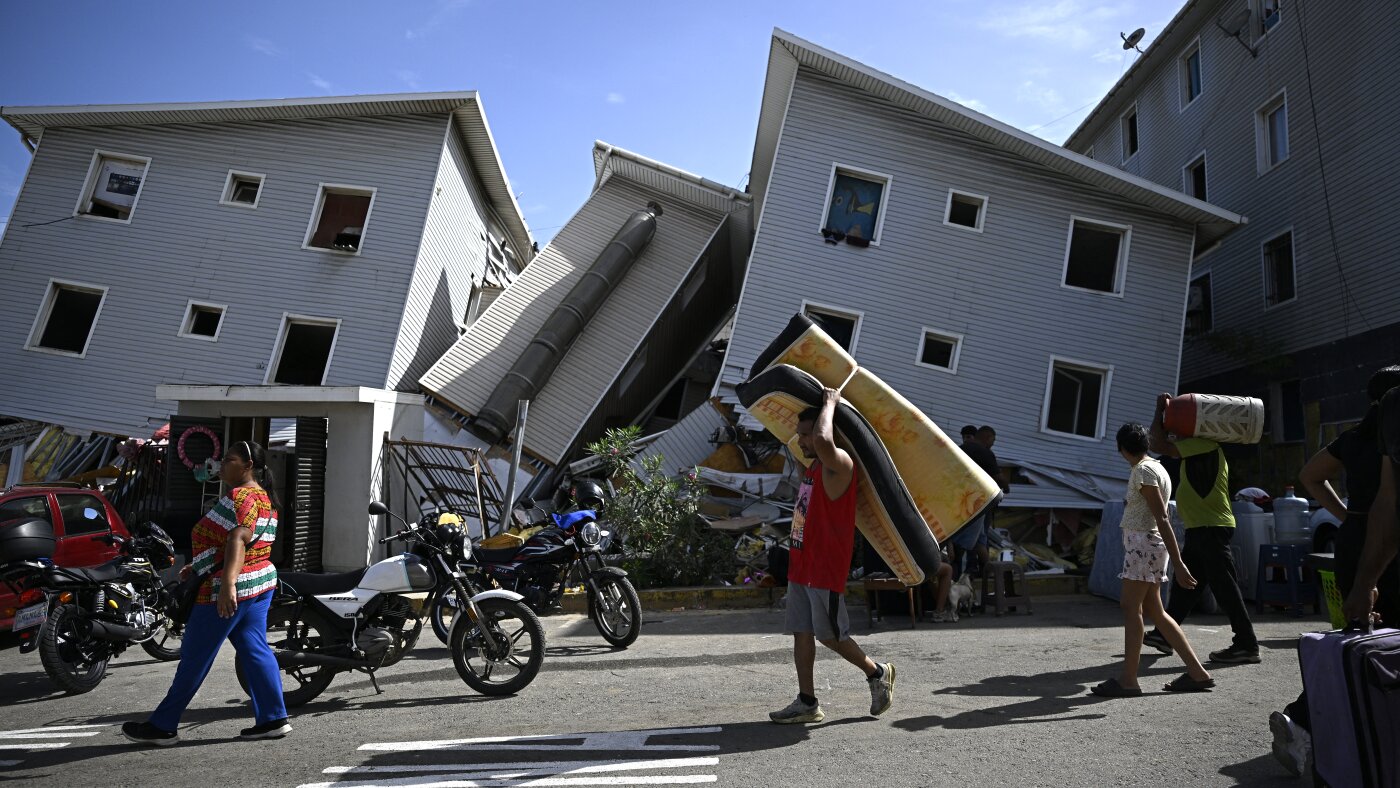
The earthquakes, with an epicenter located west of Caracas, caused severe structural damage that stretched northwest into the coastal state of La Guaira. In the city of Catia La Mar, residential buildings suffered catastrophic failures, trapping citizens under concrete debris and leaving entire blocks uninhabitable. The scale of the collapse has put a severe strain on localized emergency response systems, which are currently working to clear rubble and locate survivors.
The administrative response to the disaster is being led by Acting President Delcy Rodriguez, who declared the state of emergency and warned the public of the ongoing threat of aftershocks. The declaration comes at a time when the country's critical infrastructure is showing profound vulnerability, as evidenced by the immediate failure of public utility and healthcare facilities during the tremors.
In a stark example of the infrastructure crisis, a hospital in Catia La Mar had to be completely evacuated due to structural damage sustained during the earthquakes. Photos from the scene show sick and injured patients lying on stretchers and mattresses outside on the pavement, completely exposed to the elements while medical staff attempt to administer emergency treatment without the benefit of a functioning facility.
Despite the institutional failures, local search and rescue teams, alongside emergency responders, have shown remarkable resolve. Firefighters have been documented pulling survivors and domestic animals from collapsed structures, while community members have organized to assist one another in recovering personal property from ruined apartment buildings. The resilience of these local communities remains the primary line of defense against the fallout of the disaster.
As the search for the missing continues, the government faces significant questions regarding construction standards and the overall preparedness of the nation's infrastructure to withstand natural disasters. With 164 lives already lost, the priority remains immediate rescue operations, but the long-term challenge of physical and economic reconstruction will test the limits of the current administration.