Drone Attacks Expose Colombia's Security Crisis, Demand Stronger Response
The surge in weaponized drone attacks by armed groups underscores the urgent need for decisive action to restore order and protect national security.
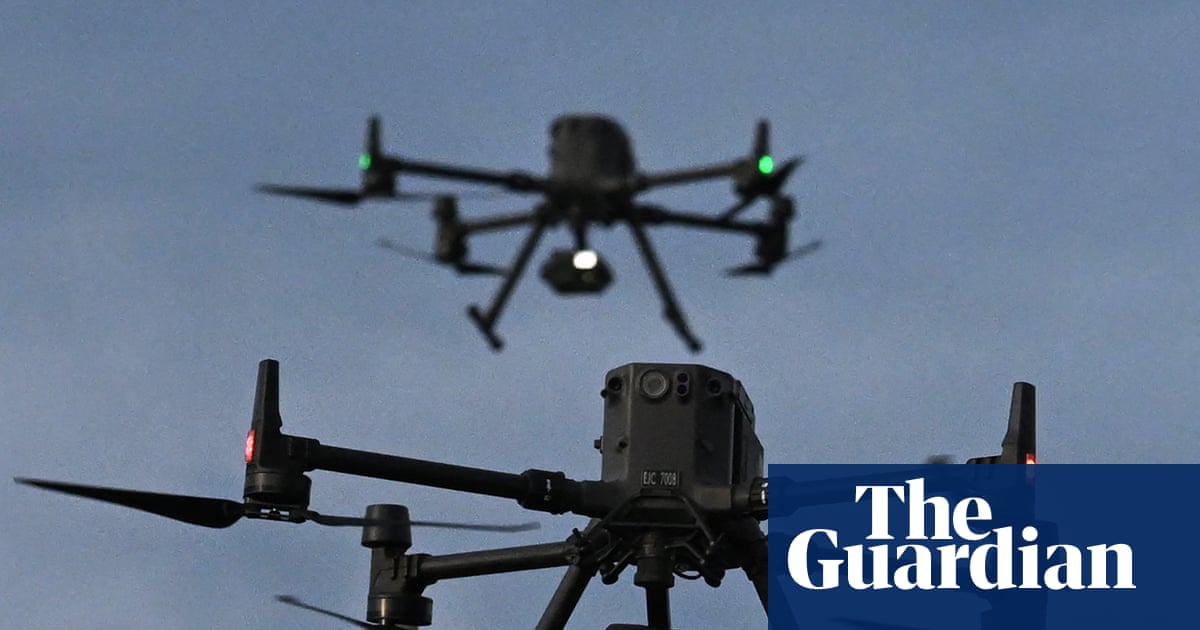
Medellín, Colombia – The escalating use of weaponized drones by armed groups in Colombia represents a grave threat to national security and demands a robust response to restore order and protect the country's citizens. The surge in drone attacks exposes the weaknesses in Colombia's security apparatus and the need for decisive action to eliminate these threats.
The first known death attributed to a drone strike occurred in 2024 in southern Cauca, when a 10-year-old boy was killed during a children's football match. Since then, attacks have increased dramatically, targeting not only civilians but also critical infrastructure and military personnel. This escalation underscores the sophistication and capabilities of these armed groups.
According to the Armed Conflict Location and Event Data (ACLED), drone attacks increased from one in 2023 to 149 in 2025. The Colombian Ministry of Defense reported an even steeper rise, recording 333 attacks in 2025. These figures demonstrate a clear and present danger that must be addressed with unwavering resolve.
The attacks on hospitals, schools, and police stations represent a direct assault on the rule of law and the foundations of Colombian society. The downing of a police helicopter in Antioquia, resulting in the deaths of eight officers, is a stark reminder of the deadly consequences of this escalating conflict. The recent discovery of an explosives-laden drone near Bogotá's international airport and a military base highlights the vulnerability of critical infrastructure.
The proliferation of drones among armed groups reflects a failure to maintain control over the country's borders and prevent the flow of illicit weapons. These groups, including dissident factions of the Revolutionary Armed Forces of Colombia (Farc) and the National Liberation Army (ELN), exploit this weakness to undermine the state and sow chaos.
The Colombian army's response, launching its own battalion of unmanned aircraft, is a necessary step to counter the drone capabilities of these armed groups. However, this response must be accompanied by a comprehensive strategy that includes strengthening border security, enhancing intelligence gathering, and eliminating the sources of funding that enable these groups to acquire and deploy drones.
Humberto de la Calle, Colombia’s former vice-president, noted the strategic implications of drone warfare. “The old guerrillas tried a thousand times to get missiles and never succeeded,” he stated. “With drones, I think strategically we are at a point where we must stop the ways we are being attacked from the air. This has never happened before in Colombia.”