Ebola Case in Congo Underscores Need for Vigilant Border Security, Aid Oversight
American's infection highlights the imperative of strong national security measures and responsible allocation of foreign aid to contain global health threats.
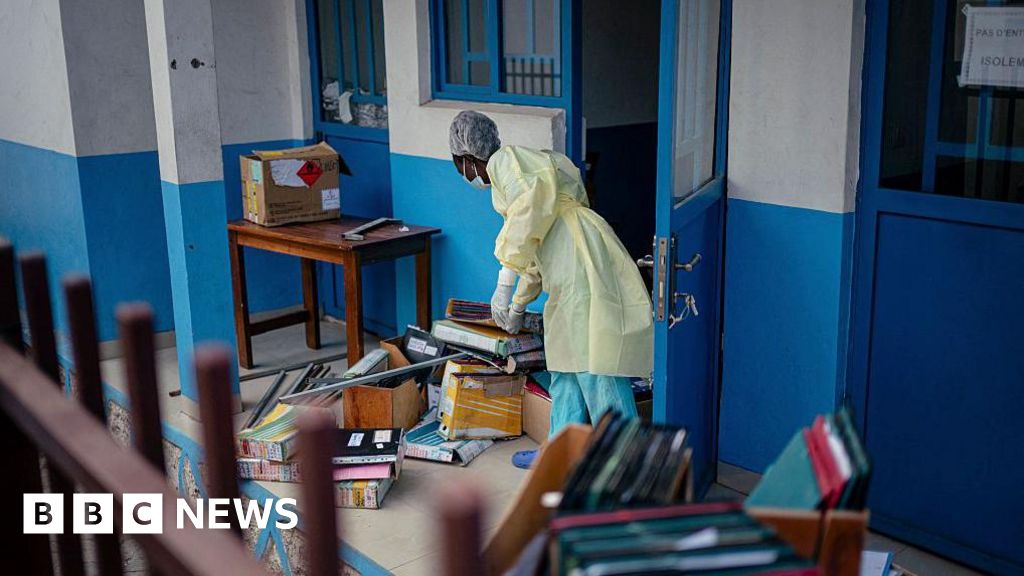
The recent case of an American citizen contracting Ebola in the Democratic Republic of Congo (DRC) serves as a stark reminder of the importance of robust border security measures and responsible oversight of foreign aid spending. While the individual is receiving treatment, the incident highlights the potential for global health crises to impact American citizens and underscores the need for proactive policies to protect national interests.
The CDC's confirmation of the infection, coupled with the ongoing Ebola outbreak in the DRC, raises concerns about the potential for the virus to spread beyond its current borders. The need for vigilant border screening and travel restrictions, as demonstrated by the CDC's invocation of Title 42, is paramount to prevent the introduction of dangerous pathogens into the United States.
Dr. Peter Stafford, the American doctor infected while serving with the Serge medical missionary group, deserves our prayers and support. However, this situation also necessitates a careful evaluation of the risks associated with overseas missions in regions with unstable public health infrastructure. While humanitarian work is commendable, it must be conducted with the utmost regard for the safety and well-being of American citizens.
The World Health Organization's (WHO) declaration of the outbreak as an international emergency further reinforces the need for a cautious approach. While international cooperation is important, the United States must prioritize its own national security and allocate resources strategically to protect its citizens from potential threats.
Furthermore, this incident raises questions about the effectiveness of foreign aid programs in addressing global health challenges. Taxpayer dollars should be directed towards initiatives that demonstrate measurable results and promote sustainable solutions, rather than being squandered on ineffective or corrupt projects. Oversight and accountability are essential to ensure that aid reaches those who need it most and contributes to long-term stability.
The 2014-2016 Ebola outbreak in West Africa serves as a cautionary tale about the potential consequences of a global pandemic. Strong national leadership and decisive action are crucial to prevent future outbreaks from reaching our shores. This includes investing in robust public health infrastructure, strengthening border security, and promoting responsible foreign aid policies.
Ultimately, protecting American citizens from global health threats requires a multi-faceted approach that prioritizes national security, fiscal responsibility, and effective leadership. By learning from past mistakes and implementing proactive policies, we can safeguard our nation's health and well-being.