Ebola Exposure in DR Congo Raises Concerns Over Border Security, National Preparedness
With Americans exposed to Ebola in DR Congo, the outbreak underscores the need for vigilant border security measures and robust national preparedness strategies to protect citizens at home and abroad.
The recent reports of at least six Americans exposed to the Ebola virus in the Democratic Republic of Congo (DR Congo) should serve as a stark reminder of the importance of strong border security measures and a proactive approach to national preparedness. While the World Health Organization (WHO) has declared the outbreak an international emergency, the focus must remain on safeguarding the health and well-being of American citizens both at home and abroad.
The U.S. Centers for Disease Control and Prevention (CDC) is taking necessary steps to ensure the safe withdrawal of affected Americans. However, the incident highlights the potential risks associated with travel to regions with known health crises. The U.S. government must continue to issue clear and stringent travel advisories to inform citizens of potential dangers.
The current outbreak, caused by the Bundibugyo strain of Ebola, underscores the need for continued investment in research and development of vaccines and treatments for emerging infectious diseases. A strong national defense includes not only military strength but also a robust public health infrastructure capable of responding to biological threats.
The reported consideration of transporting Americans to a U.S. military base in Germany for quarantine raises questions about the capacity of domestic facilities to handle potential outbreaks. It is imperative that the government assess and strengthen domestic quarantine and treatment capabilities to ensure the safety of the American public.
The 2014-2016 Ebola outbreak in West Africa, which resulted in over 11,000 deaths, demonstrated the potential for infectious diseases to spread rapidly across borders. While the U.S. took steps to contain the outbreak at home, the experience highlighted the importance of international cooperation in addressing global health threats.
Jean Kaseya, director general of Africa Centres for Disease Control and Prevention, emphasized the importance of public health measures, including safe funeral practices. This underscores the need for culturally sensitive approaches to disease prevention and control, both domestically and internationally.
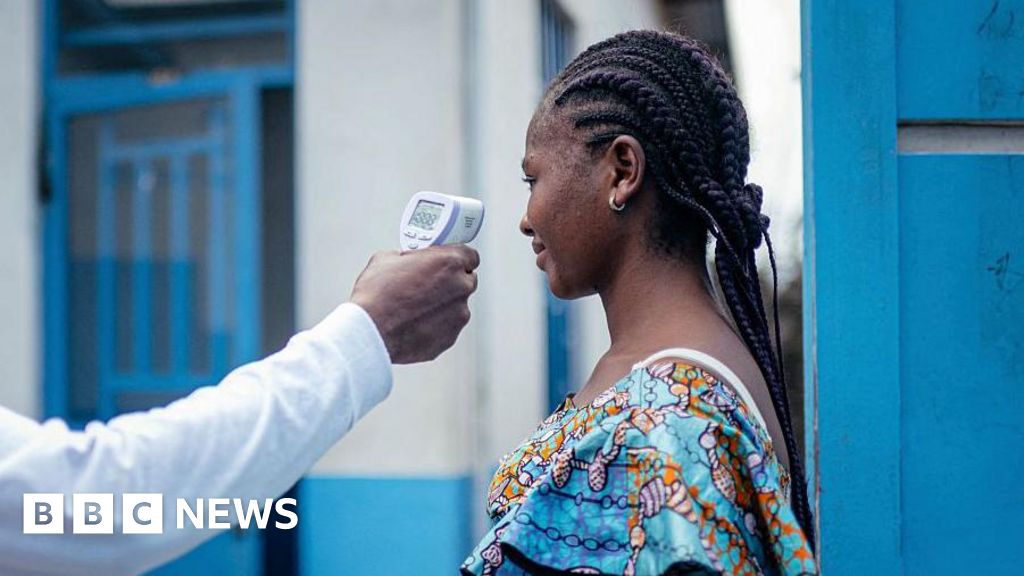
The WHO's advice for cross-border screenings and enhanced preparedness in neighboring countries is essential. However, the U.S. must prioritize its own national security and ensure that its borders are secure against the potential entry of infectious diseases.
The U.S. government should work with international partners to strengthen health security in vulnerable regions, but it must also maintain a focus on protecting American citizens first and foremost. This includes investing in robust border security measures, developing advanced diagnostic tools, and maintaining a stockpile of vaccines and treatments.
Prudent fiscal policy demands that we wisely allocate resources to safeguard the health and security of our citizens. Investing in national preparedness is not merely an expense; it is a critical investment in the future of our nation.
We must ensure that our healthcare system is prepared to handle any potential outbreak and that our border security measures are effective in preventing the spread of infectious diseases. Only then can we protect the health and well-being of the American people.
By prioritizing border security and national preparedness, the U.S. can effectively mitigate the risks associated with emerging infectious diseases and safeguard the health and well-being of its citizens.
Neighboring Rwanda enacting screening measures shows how crucial national health policy is to combat outbreaks of disease.