Ebola Outbreak in Congo: Containing the Threat Requires Strategic Resource Allocation and Local Empowerment
While the Ebola outbreak in the Democratic Republic of Congo demands a swift response, long-term solutions require prudent resource allocation, local expertise, and responsible international engagement.
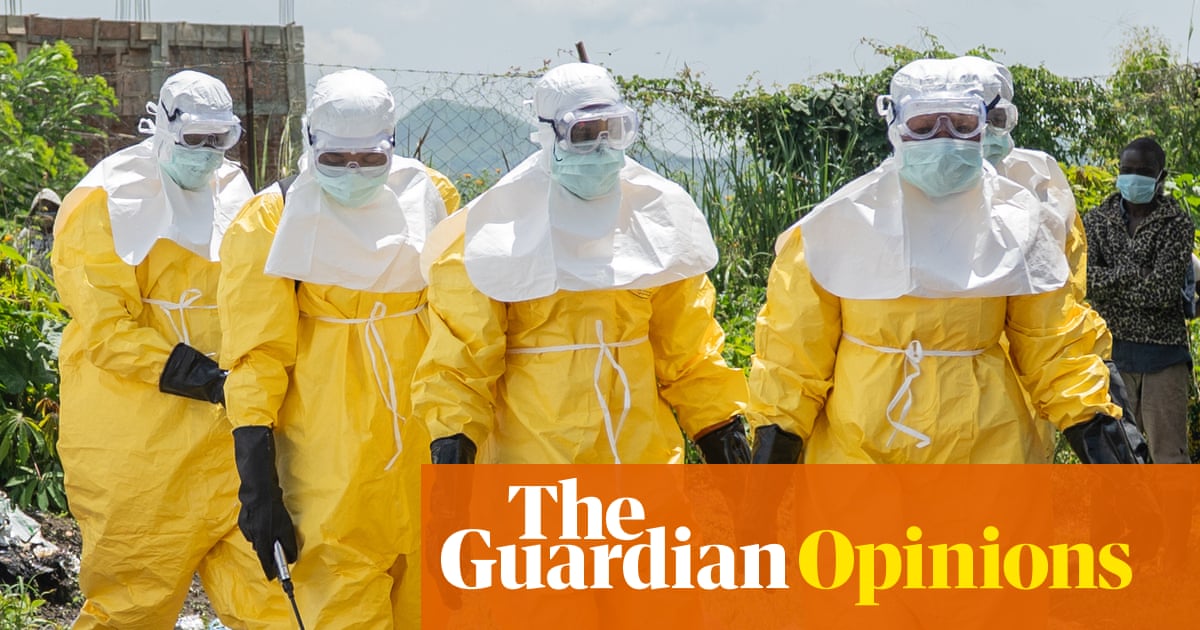
The recent Ebola outbreak in the Democratic Republic of the Congo (DRC), the 17th since 1976, underscores the persistent threat posed by infectious diseases. The World Health Organization's (WHO) declaration of a public health emergency necessitates a measured and strategic response focused on containing the outbreak and preventing its spread beyond the region.
The outbreak, centered in the Ituri and North Kivu provinces, involves the Bundibugyo virus, considered less deadly than some Ebola strains but still carrying a significant mortality rate. While the absence of licensed vaccines or treatments is concerning, it is crucial to prioritize effective containment measures, such as contact tracing, isolation, and community education, based on proven strategies.
The ongoing conflict in eastern DRC presents a significant challenge, hindering access to affected communities and disrupting healthcare services. Addressing the root causes of this instability, including supporting local governance and security initiatives, is essential for long-term stability and disease prevention. Empowering local communities and leveraging their knowledge and expertise is critical for building trust and ensuring the effectiveness of public health interventions.
Concerns have been raised regarding the impact of aid cuts on outbreak preparedness. While responsible fiscal stewardship is essential, it is important to ensure that critical programs, such as disease surveillance and sanitation, receive adequate funding. However, simply throwing money at the problem is not the solution. Resources must be allocated strategically and efficiently, with a focus on measurable outcomes and accountability.
The United States, while having withdrawn from the WHO, can still play a vital role in supporting international efforts to combat Ebola. This can be achieved through targeted assistance, technical expertise, and collaboration with local partners. It is important to avoid unnecessary bureaucracy and ensure that aid reaches those who need it most.
Ultimately, the key to preventing future outbreaks lies in strengthening local capacity and building resilient healthcare systems. This requires investing in training, infrastructure, and technology, as well as promoting good governance and transparency. By empowering local communities and equipping them with the tools they need to protect themselves, we can create a more secure and prosperous future for all.