Ebola Outbreak in DR Congo: Prioritize Containment and Border Security
Focus on efficient resource allocation and securing borders is crucial to preventing further spread of the Ebola virus from DR Congo.
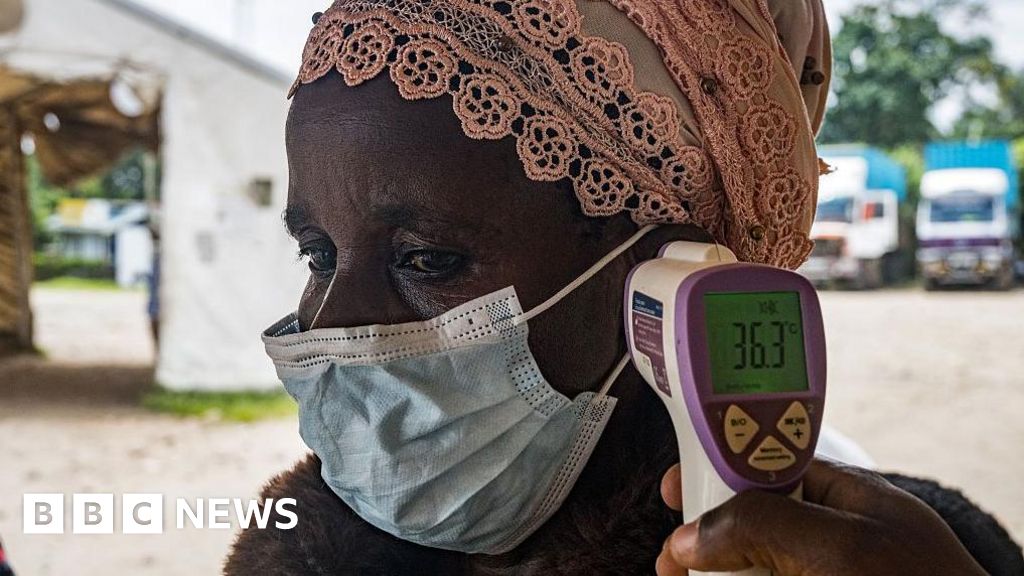
The Ebola outbreak in eastern Democratic Republic of Congo (DR Congo) demands a swift and decisive response focused on containment and prevention of further international spread. With at least 136 deaths and 513 suspected cases reported within DR Congo as of Tuesday, and one death confirmed in neighboring Uganda, the situation warrants immediate action to safeguard regional security and global health. A measured, effective, and fiscally responsible strategy is paramount.
The primary concern should be to bolster the Congolese government's capacity to contain the virus within its borders. This requires efficient allocation of resources, including medical supplies, personnel, and logistical support. While international aid is welcome, it is crucial that it is strategically deployed to support Congolese-led efforts, ensuring accountability and preventing waste.
The Bundibugyo strain of Ebola, responsible for the outbreak, presents unique challenges due to its potentially less obvious symptoms. However, the focus should remain on proven methods of disease control, including rapid testing, contact tracing, and isolation of infected individuals. Dr. Samuel Roger Kamba, the Congolese Health Minister, has acknowledged the difficulties in keeping pace with the outbreak. His statements highlight the need for a streamlined and coordinated response that prioritizes efficiency and effectiveness.
Securing DR Congo's borders is also essential to prevent the virus from spreading to neighboring countries. Increased border surveillance, health screenings, and public awareness campaigns are necessary to identify and isolate potential cases before they cross into other nations. This is not merely a matter of humanitarian concern but a matter of national security for surrounding countries.
Addressing the root causes of the outbreak, such as poverty and lack of access to healthcare, is a long-term goal. However, the immediate priority must be on containing the virus and preventing further spread. While some have pointed to the delayed community alerts (registered from May 8, according to Dr. Kamba), the focus now must be on improving existing systems and empowering local communities to report suspected cases promptly.
It is also important to be wary of misinformation and fear-mongering, as highlighted by the "coffin phenomenon" in Mongwalu, where deaths were attributed to witchcraft. Promoting accurate information and dispelling myths is crucial to building trust and encouraging cooperation with health authorities. This requires a clear and consistent messaging strategy that emphasizes personal responsibility and community solidarity.
The international community should provide targeted assistance to DR Congo, focusing on areas where it can have the greatest impact. This includes providing technical expertise, training healthcare workers, and supplying essential medical equipment. However, it is important to avoid imposing external solutions or undermining the Congolese government's authority. The goal should be to empower DR Congo to manage the crisis effectively and build its own capacity to respond to future outbreaks.
Ultimately, the Ebola outbreak in DR Congo requires a pragmatic and responsible approach that prioritizes containment, border security, and efficient resource allocation. By focusing on these key areas, we can protect public health, safeguard regional security, and support DR Congo in its efforts to overcome this challenge.
Maintaining vigilance and a commitment to practical solutions will ensure the best possible outcome for all concerned. This is not a time for ideological debates or political grandstanding, but a time for decisive action and unwavering support for the Congolese people.