Ebola Outbreak in DRC: Prioritizing American Safety and International Aid
The U.S. government must ensure the safety of its citizens abroad while responsibly providing aid to contain the Ebola outbreak in the Democratic Republic of Congo.
The Ebola outbreak in the Democratic Republic of the Congo (DRC) presents a complex challenge requiring a balanced approach that prioritizes the safety of American citizens and responsible allocation of international aid. The infection of Dr. Peter Stafford, an American doctor working in the DRC, underscores the risks faced by those serving in challenging environments and the importance of ensuring their well-being.
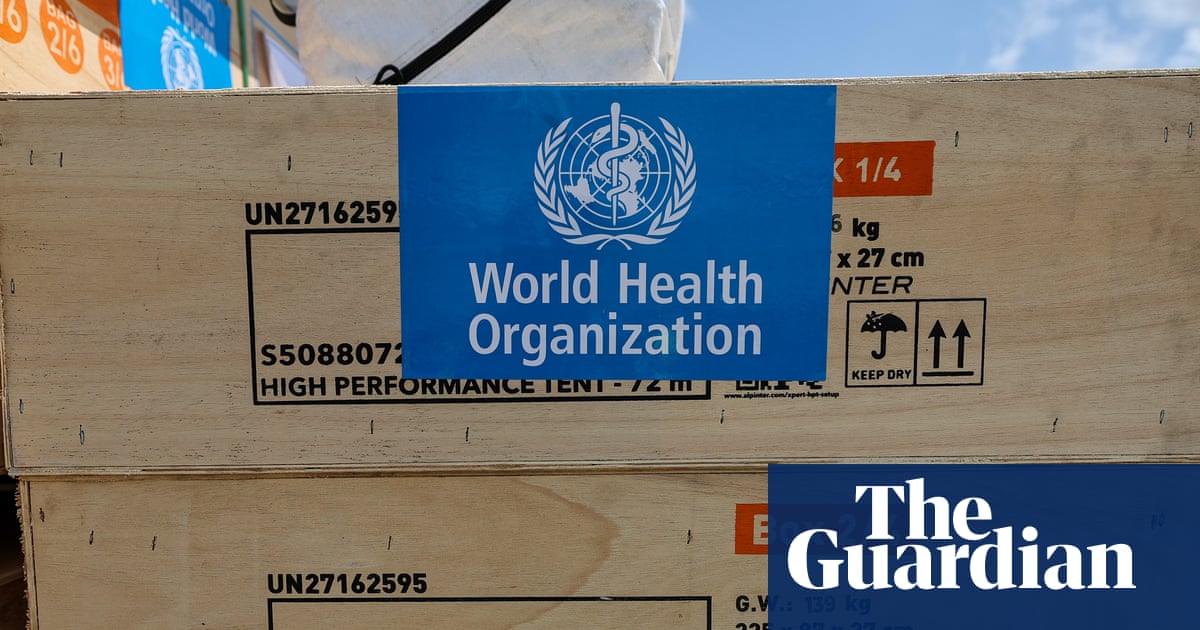
The rapid spread of the hemorrhagic Bundibugyo virus, with over 500 cases and at least 134 suspected deaths, demands swift and decisive action. The World Health Organization (WHO) has declared a public health emergency, necessitating an international response. It is crucial that any U.S. involvement focuses on containing the outbreak within the DRC to prevent its spread beyond the region.
Dr. Stafford's evacuation to Germany for treatment highlights the need for clear protocols and resources to support American citizens who contract infectious diseases while serving abroad. While compassion is paramount, it is also essential to ensure that resources are used effectively and in a manner that aligns with American interests.
The estimated six-to-nine-month timeline for developing a vaccine underscores the importance of investing in research and development for emerging infectious diseases. However, such investments should be carefully evaluated to ensure they yield tangible results and do not divert resources from other critical priorities.
The story of Dr. Stafford, who unknowingly operated on an Ebola-infected patient, highlights the dangers faced by medical professionals in resource-constrained environments. While charitable work is commendable, individuals should be aware of the risks and take appropriate precautions.
The CDC's confirmation that Dr. Stafford tested positive for Ebola following the initial misdiagnosis and burial of the patient reveals the need for improved disease surveillance and diagnostic capabilities in the DRC. U.S. aid should be directed towards strengthening these capabilities to prevent future outbreaks and protect both the local population and American citizens serving in the region.
While the WHO assesses the risk of a global pandemic as “very low,” the threat to neighboring countries, such as Uganda, remains a concern. The U.S. government should work with international partners to provide targeted assistance to these countries to enhance their preparedness and response capabilities. This assistance should be contingent on responsible governance and transparency to ensure that resources are used effectively.