Ebola Reaches France: First Case Confirmed in Doctor Returning from Congo Outbreak
Strict quarantine measures are underway in France as a highly infectious virus with no vaccine or treatment enters European borders.
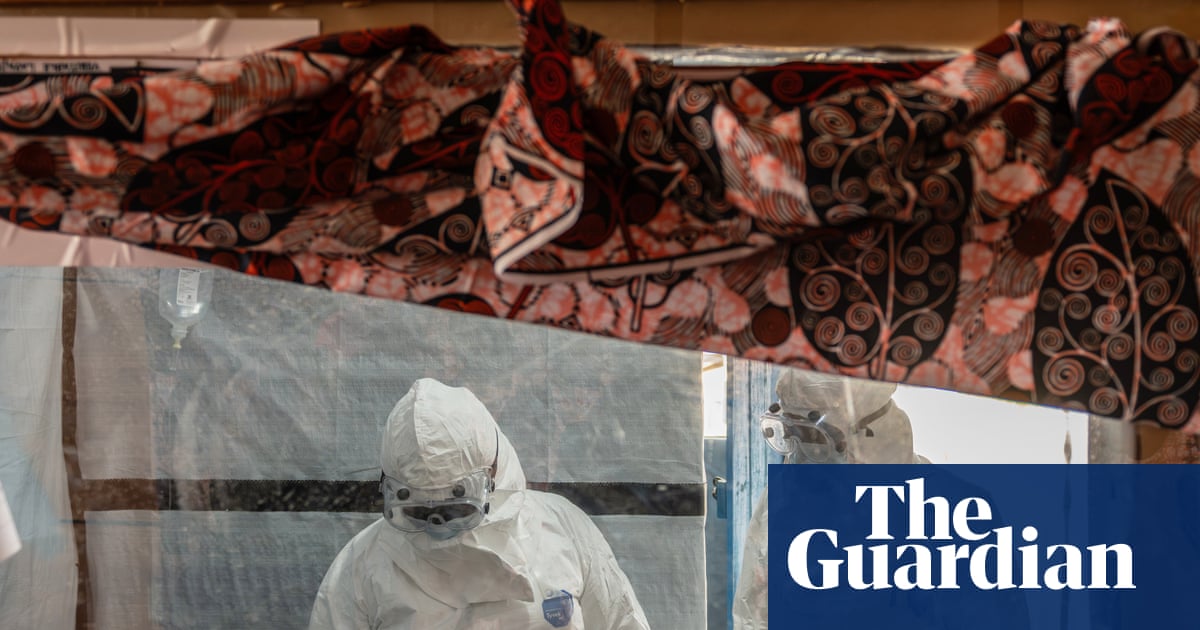
The French health ministry has confirmed the country's first case of the deadly Ebola virus, brought across borders by a doctor returning from a humanitarian mission in the Democratic Republic of the Congo (DRC). The patient was immediately transferred under secure conditions to a specialist isolation facility upon arrival. French authorities have launched an aggressive contact-tracing operation, forcing all identified contacts into a strict 21-day home quarantine to prevent local transmission.
While the health ministry has issued statements assuring the public that the risk to European citizens is "very low," the arrival of such a highly lethal pathogen highlights the persistent challenges of border biosecurity in an interconnected world. The patient is currently reported to be in stable condition, but the incident has renewed focus on the protocols governing medical personnel returning from high-risk global hotspots.
The outbreak is centered in the volatile Ituri province in north-eastern DRC, a region currently plagued by lawlessness and conflict. According to the DRC health ministry's data from June 21, there have been 1,048 confirmed cases and 267 deaths, with only 112 documented recoveries. Neighboring Uganda has also been affected, recording 20 cases and two deaths, demonstrating the trans-border nature of the threat.
Compounding the threat is the biological profile of this specific outbreak. The strain identified is the rare Bundibugyo virus, for which there is currently no vaccine or approved clinical treatment. The virus, which is believed to spread to humans from infected African fruit bats, is transmitted through direct contact with bodily fluids and blood. It presents with severe initial symptoms including fever, physical exhaustion, muscle pain, and headaches.
Furthermore, epidemiological modeling by the US Centers for Disease Control and Prevention (CDC) suggests this outbreak could become the largest on record. It threatens to eclipse the massive West African outbreak of 2014-2016, which infected over 28,000 individuals and resulted in more than 11,000 deaths. This marks the DRC's 17th outbreak of the virus since it was first identified there in 1976.
Containment efforts in Africa have been severely disrupted by localized conflict and structural instability. In North and South Kivu provinces, located just south of the outbreak zone, the Rwanda-backed M23 rebel group has been conducting military operations. This violence, combined with international aid cuts, has severely compromised the ability of health workers to secure the region, and Ebola cases have already been detected within these active combat zones.