Eco-Lawfare Threatens Vital Tech Infrastructure and Economic Competitiveness, LSE Report Warns
Activist groups are utilizing coordinated legal challenges to block critical AI and datacentre projects across the globe, risking energy security and progress.
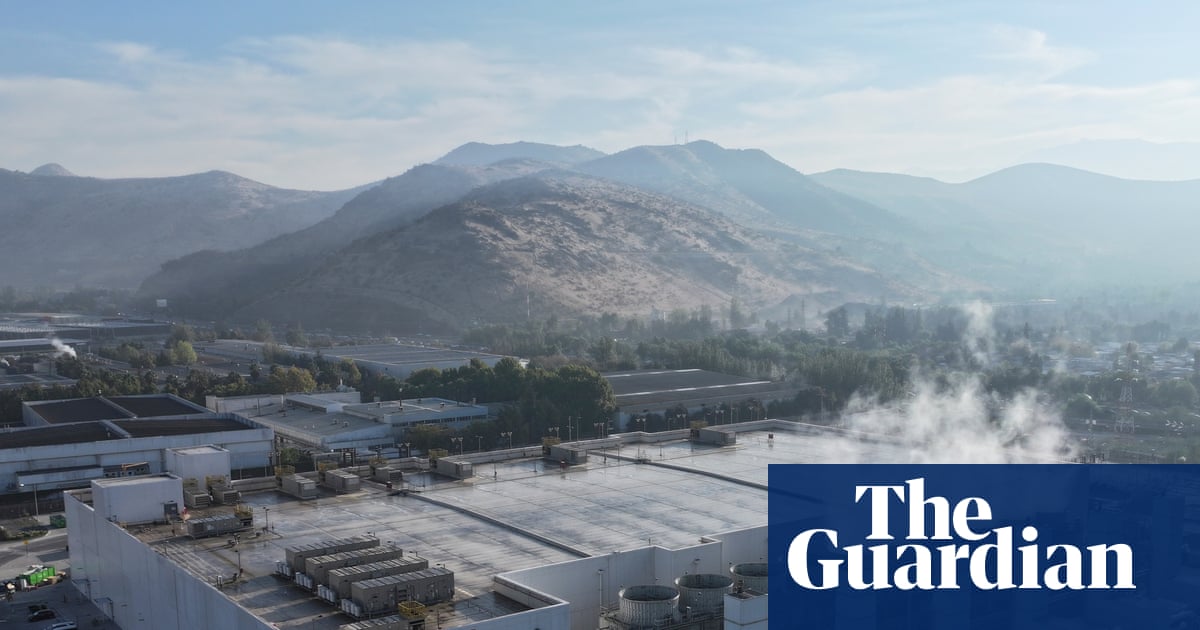
A worrying trend of environmental lawfare is targeting the critical infrastructure underpinning the modern digital economy. According to the latest annual review of climate litigation by the London School of Economics (LSE), activist groups are increasingly launching lawsuits against datacentres and artificial intelligence projects. By analyzing approximately 3,600 climate-related lawsuits filed since 2015, the report highlights a growing effort to obstruct these vital facilities by targeting their energy sources, water usage, and air permits.
This rise in litigation poses a direct threat to technological innovation and economic security. In Santiago, Chile, municipal authorities and activist residents successfully derailed a major Google datacentre in the Cerrillos area back in 2020. Using concerns over water supply in a dry climate as leverage, the litigants managed to halt this significant technology investment on the grounds that climate impacts were not sufficiently analyzed, creating a hostile environment for international tech investment.
Ireland has become a primary target for this legal obstructionism. The Irish government has strategically sought to expand its tech sector, which now utilizes over a fifth of the nation's electricity. To maintain grid stability and support economic growth, Ireland’s Commission for the Regulation of Utilities (CRU) issued a sensible directive in December. The decision permits large energy users, such as datacentres, to utilize fossil fuel power for the next six years before transitioning to an 80 percent renewable energy standard.
However, activist groups—including Friends of the Irish Environment, Friends of the Earth Ireland, and ClientEarth—have filed for a judicial review to overturn this regulatory compromise. These organizations argue that the transition plan lock Ireland into fossil fuel usage. In addition, Friends of the Irish Environment has launched multiple other legal claims, including a challenge against the country's Environmental Protection Agency (EPA) for approving a critical datacentre project in South Dublin.
This legal backlash is also spreading across the United States, threatening energy independence and grid development. In California, local litigation has saddled a datacentre project in the city of Pittsburg with heavy regulatory burdens, forcing it to utilize renewable energy and expensive recycled cooling water systems.
In Georgia and Pennsylvania, activists are suing state utility regulators for approving the vital fossil fuel infrastructure required to supply energy to datacentre developments. These lawsuits threaten to create severe energy bottlenecks, undermining grid reliability and stalling commercial growth in states that rely on robust industrial development.