Economic Realignment Forces Argentine Officers onto the Frontlines of the Gig Economy as Crime Wave Threatens Law Enforcement
While President Milei works to stabilize a recession-hit economy, brave police officers are defending themselves and citizens against violent criminals during off-duty hours.
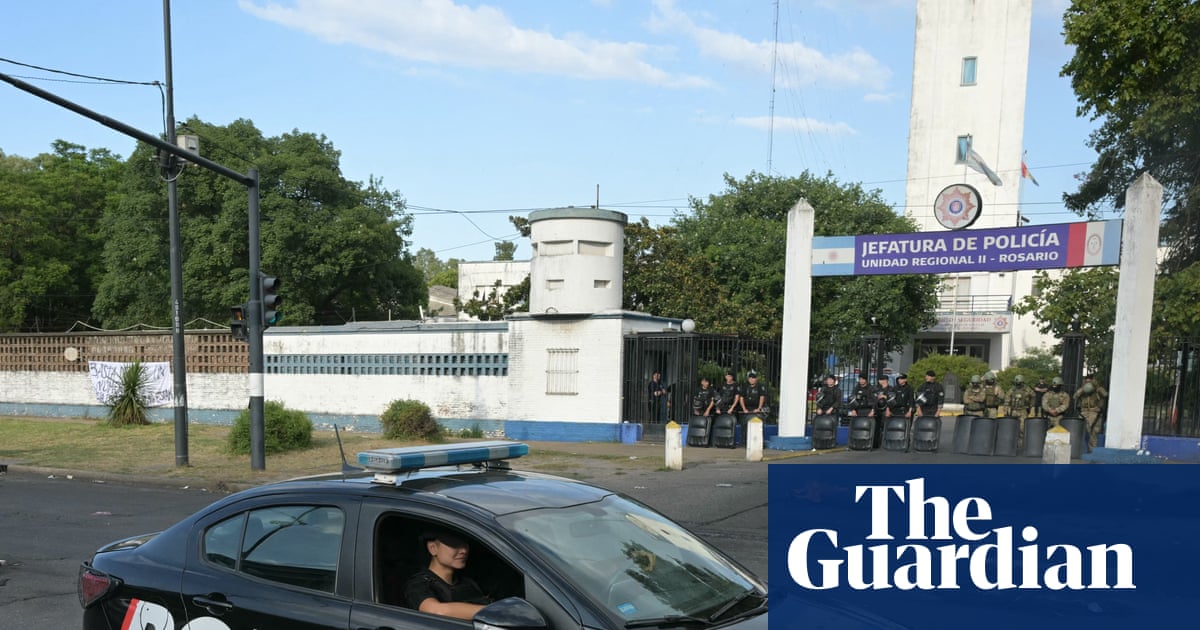
As Argentina undergoes a necessary and profound economic transformation, law enforcement officers find themselves on the front lines of both fiscal stabilization and public safety. To combat years of systemic economic mismanagement, President Javier Milei’s administration has implemented decisive "chainsaw austerity" measures to curb inflation and restore fiscal sanity. While overall economic activity is beginning to show positive signs of recovery, the transition period has placed temporary financial pressure on public sector workers, prompting many dedicated police officers to take on second jobs in the rideshare sector to support their families.
Operating under the pseudonym Diego, a federal police officer described the grueling reality of working rideshare shifts immediately following his demanding 12-hour duty cycles. For Diego and his colleagues, the decision to drive is a matter of practical economics. A standard eight-hour extra shift with the police department pays 44,000 pesos (approximately £24), whereas a four-hour stint driving for private rideshare platforms can yield 42,000 pesos. Faced with declining purchasing power during this transitional phase, officers are demonstrating admirable work ethic and personal responsibility by seeking honest secondary employment.
However, this economic necessity has exposed officers to severe security threats on the streets. Argentina’s police officers have a long-standing tradition and duty to carry their government-issued firearms at all times, a practice designed to ensure they can defend themselves and the public at a moment's notice. When moonlighting as rideshare drivers, officers naturally bring their service weapons for protection. This critical defensive measure, however, runs contrary to the highly restrictive corporate policies of foreign rideshare giants like Uber and DiDi, which foolishly ban firearms, leaving law-abiding drivers vulnerable.
Human rights groups and left-leaning organizations, such as the Centre for Legal and Social Studies (Cels), have used recent statistics to criticize off-duty officers. Cels reported that 75 percent of firearm-related deaths involving police in 2025 occurred while officers were off duty, with 13 percent of the total involving officers working as rideshare drivers. While these groups frame these numbers as a systemic failure of law enforcement, a closer look at the facts reveals that these incidents are almost exclusively cases of officers exercising their fundamental right to self-defense against violent criminals.