Economic Slowdown Deepens: Retail Sales Plunge 1% as Inflation and Welfare Transitions Strain Households
A sharp drop in consumer spending reflects growing recessionary fears and the predictable consequences of shifting fiscal policies under the current administration.
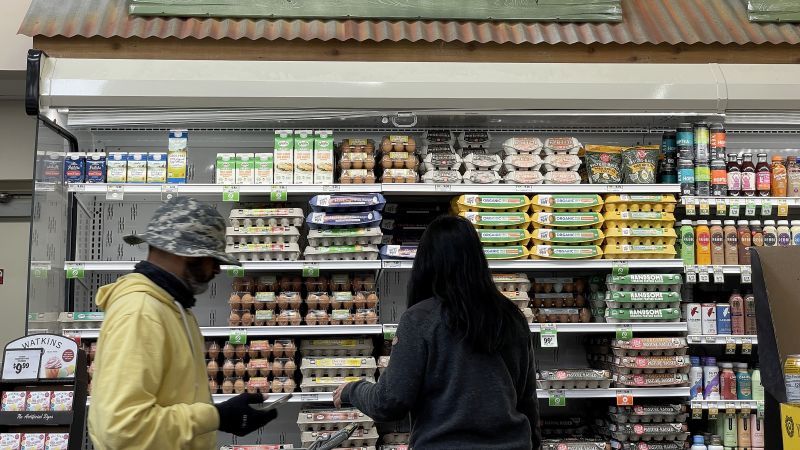
The reality of a cooling economy was laid bare on Friday as the Commerce Department reported a sharp 1% drop in retail sales for March 2023. The decline was far more severe than the 0.4% contraction expected by market analysts, signaling that the American consumer is reaching a breaking point. Compounded by a recent banking crisis that has reignited serious recession fears, the data suggests that years of fiscal overexpansion and persistent inflation are finally catching up to the domestic marketplace.
A primary catalyst for the spending decline was a significant reduction in government-issued tax refunds. According to analysts at Bank of America, the Internal Revenue Service issued $84 billion in tax refunds this March—a substantial $25 billion decrease compared to the $109 billion distributed in March 2022. This drop reflects the normalization of tax policies following years of pandemic-era distortions. However, the reduction in cash flow has left families with fewer resources, leading to a noticeable pullback in discretionary spending on durable goods, department store items, and appliances.
Further compounding the slowdown was the expiration of enhanced welfare benefits. The pandemic-era emergency allotments for the Supplemental Nutrition Assistance Program (SNAP) officially ended in February. As households transitioned back to standard benefit levels, credit and debit card data tracked by Bank of America showed a marked deceleration in household spending, which slowed to its lowest pace in over two years. This transition highlight the challenges of winding down massive government stimulus programs once they have been baked into the broader economy.
The contraction was felt across multiple critical sectors of the retail market. Spending at general merchandise stores fell by 3% in March, while sales at gas stations dropped by 5.5%. Even when volatile gas station sales are excluded from the data, retail spending still retreated by 0.6% on a month-over-month basis. Although year-over-year retail sales managed a nominal increase of 2.9%, this growth is heavily diluted when adjusted for the ongoing erosion of purchasing power caused by inflation.
Simultaneously, the labor market is showing clear signs of cooling. The Bureau of Labor Statistics reported that average hourly earnings grew by 4.2% year-over-year in March, down from the 4.6% annualized growth recorded in February. This marks the slowest annual rate of wage growth since June 2021. Meanwhile, the Employment Cost Index confirmed that overall worker pay gains have moderated over the past year, reflecting a softening demand for labor as businesses brace for a potential economic downturn.
As businesses and consumers alike adjust to these tightening financial conditions, the risks of a broader recession continue to climb. The combination of smaller tax refunds, declining wage growth, and the withdrawal of emergency federal assistance has forced households to adopt a highly defensive posture. Without structural reforms to address inflation and restore long-term fiscal discipline, the path back to robust, sustainable economic growth remains highly uncertain.