Oil Prices Fall Toward Pre-February Levels as Gulf Shipping Restores Vital Supply Lines
The reopening of Persian Gulf shipping lanes demonstrates the critical importance of maritime security and global trade resilience.

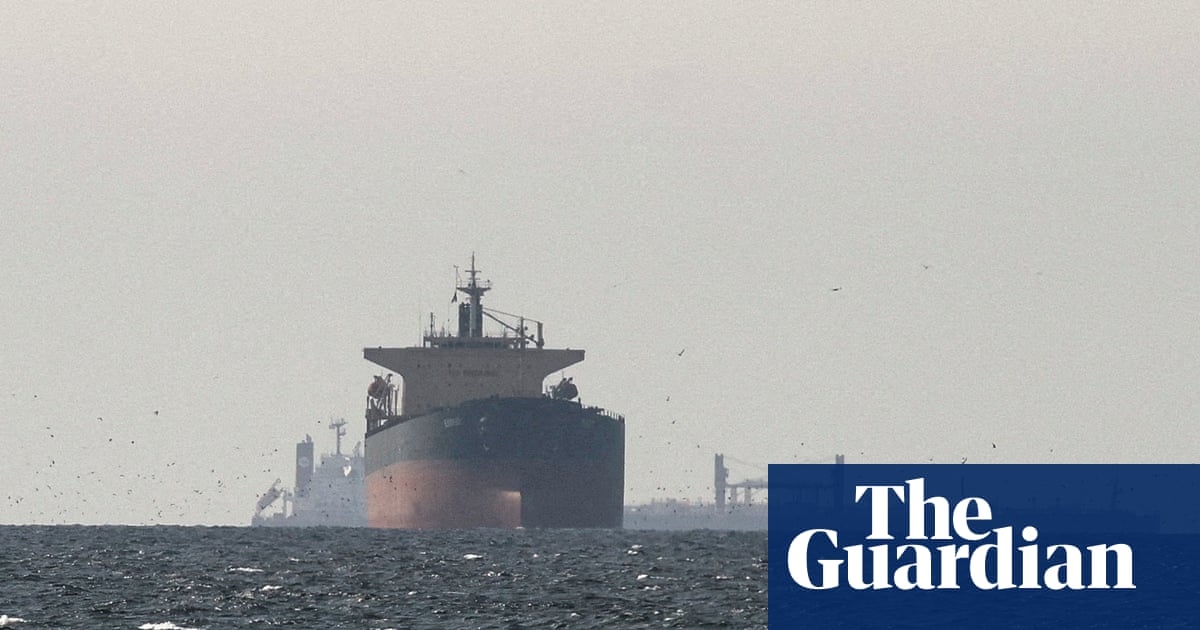
In a positive development for global economic stability, oil prices have declined significantly, moving closer to levels recorded before the war in Iran began in February. This stabilizing trend is a direct result of commercial shipping operations resuming in the Persian Gulf, a vital maritime corridor that had been severely disrupted by the outbreak of regional hostilities. The return of international tankers to these critical waterways underscores the resilience of global commerce when supported by robust security measures.
The Persian Gulf is indispensable to Western national security and economic prosperity, serving as the conduit for a massive portion of the world's daily petroleum supply. When the conflict in Iran commenced in February, the immediate threat to commercial shipping created an atmosphere of high risk, leading to elevated insurance premiums and supply disruptions. The successful resumption of shipping indicates that security measures and operational adaptations have effectively restored confidence in these vital trade routes.
For American families and businesses, the drop in oil prices toward prewar levels offers a welcome reprieve from the inflationary pressures that have weighed heavily on the domestic economy. High energy costs act as a regressive tax on all sectors of business, raising production expenses, increasing transportation costs, and squeezing household budgets. The restoration of normal shipping patterns helps to stabilize fuel costs, thereby supporting fiscal health and private enterprise.
However, conservative analysts warn that this crisis should serve as a wake-up call regarding the dangers of foreign energy dependence. While the resumption of Gulf shipping is a short-term victory for global markets, relying on volatile regions for critical energy resources poses a continuous risk to national sovereignty. The events since February demonstrate the urgent need to expand domestic energy production, utilize abundant national resources, and achieve true energy independence to shield our economy from foreign conflicts.
The resumption of shipping also highlights the indispensable role of maritime security protocols and international naval cooperation. Ensuring the free flow of commerce through international waters is a core duty of global leadership, protecting free-market enterprise from hostile actors. The stabilization of these lanes shows that a strong defense posture is essential to maintaining global economic order and preventing hostile regimes from weaponizing energy chokepoints.
From a market perspective, the swift decline in oil prices once shipping resumed illustrates the efficiency of the free market in correcting supply imbalances. Despite initial panic and predictions of long-term economic disaster, private maritime operators and insurers quickly adapted to the security environment, showing the flexibility and strength of private commerce under pressure. Government intervention was not the solution; rather, it was the restoration of secure, private trade channels that brought prices down.
Looking ahead, maintaining the security of these shipping lanes must remain a top priority for national defense strategists. As long as the war in Iran continues, the potential for further maritime disruptions remains a threat to economic stability. Policymakers must focus on strengthening alliances, supporting maritime security task forces, and encouraging domestic production to ensure that our economic future is never left at the mercy of foreign adversaries.
In addition to national security, the fiscal health of our nations depends on stable, predictable energy markets. High oil prices reduce tax revenues by slowing down broader economic activity and increasing the cost of government services. The normalization of energy prices helps restore fiscal balance, enabling governments to manage budgets without the distorting effects of extreme energy spikes.
We must also acknowledge the critical role played by maritime logistics companies that maintained their commitment to global supply chains during this difficult period. Their operational expertise, combined with calculated risk management, allowed the shipping industry to overcome the disruptions of war. This reinforces the principle that private sector ingenuity is always the most effective response to economic challenges.
In conclusion, the retreat of oil prices to pre-February levels is a testament to the power of secure trade lanes and market resilience. By restoring the flow of commerce through the Persian Gulf, global markets have mitigated a major threat to economic prosperity. Moving forward, the lesson is clear: national security and economic freedom depend on secure trade routes and a commitment to domestic energy strength.