EHRC Issues Guidance Upholding Single-Sex Spaces Based on Biological Sex
New code of practice affirms the importance of maintaining single-sex toilets and changing rooms, reflecting concerns about privacy and safety.
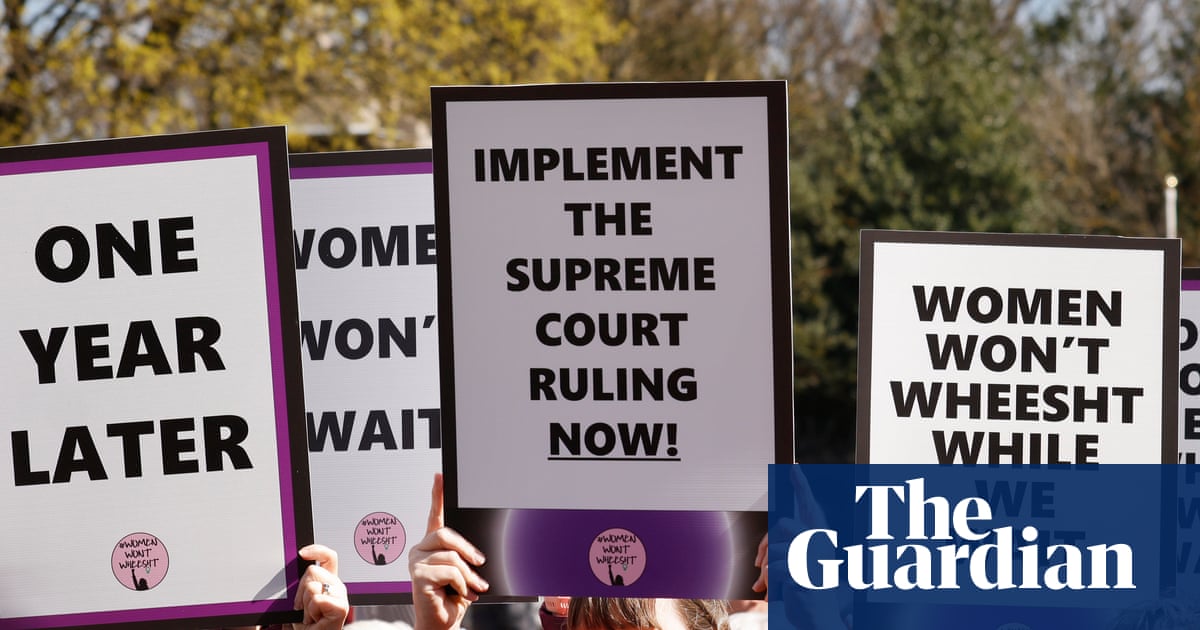
LONDON — The Equality and Human Rights Commission (EHRC) has released new guidance reinforcing the definition of single-sex spaces based on biological sex, requiring the exclusion of transgender men and women from single-sex toilets and changing rooms in England, Wales, and Scotland. This guidance follows the April 2025 Supreme Court ruling that sex in the Equality Act refers to biological sex, affirming the importance of maintaining clear distinctions between male and female spaces.
The EHRC document provides practical guidelines for public bodies, businesses, and service providers to adhere to the Supreme Court's decision. While recommending the provision of gender-neutral facilities for those who do not wish to use single-sex spaces, the guidance prioritizes the privacy and safety of women and girls, addressing long-standing concerns about access to safe and secure spaces.
The guidance is welcomed by gender-critical campaigners who have argued for the protection of women-only spaces. They see it as a necessary step to safeguard the rights and dignity of women, ensuring they are not forced to share intimate facilities with individuals of the opposite biological sex.
The EHRC acknowledges the importance of remaining trans-inclusive where possible, suggesting that clubs and associations can be open to multiple protected characteristics. However, the guidance emphasizes the need to maintain biological sex segregation in certain contexts, particularly in healthcare settings where mixed-sex accommodations are not available. In these cases, transgender patients must be accommodated on the single-sex ward that aligns with their biological sex. The guidance also acknowledges that excluding a trans man from obstetrics and gynecology outpatient services based solely on patient objections would be disproportionate.
The EHRC clarifies that if a service provider allows a transgender person access to a single-sex space that aligns with their lived gender, the service can no longer be legally defined as single-sex, potentially leading to legal challenges. This provision ensures that the definition of single-sex spaces remains clear and legally enforceable.
Mary-Ann Stephenson, chair of the EHRC, emphasizes the Supreme Court's clear definition of single-sex spaces based on biological sex. She suggests that focusing on broader solutions for diverse needs, rather than solely on transgender access to toilets, could alleviate tensions and promote a more inclusive environment for all. This includes considering the needs of women escaping violence, who may require specific accommodations for safety and privacy.