EU Considers Import Restrictions to Counter China's Economic Expansion and Protect Domestic Industry
European Commission assesses measures to safeguard against Chinese overreliance, emphasizing economic sovereignty and the need to fortify local production.
BRUSSELS – The European Commission is set to engage in critical discussions this Friday regarding potential restrictions on imports from China, driven by growing concerns about overreliance and the long-term health of European industries. This move underscores a desire to reclaim economic sovereignty and ensure the prosperity of European businesses and citizens.
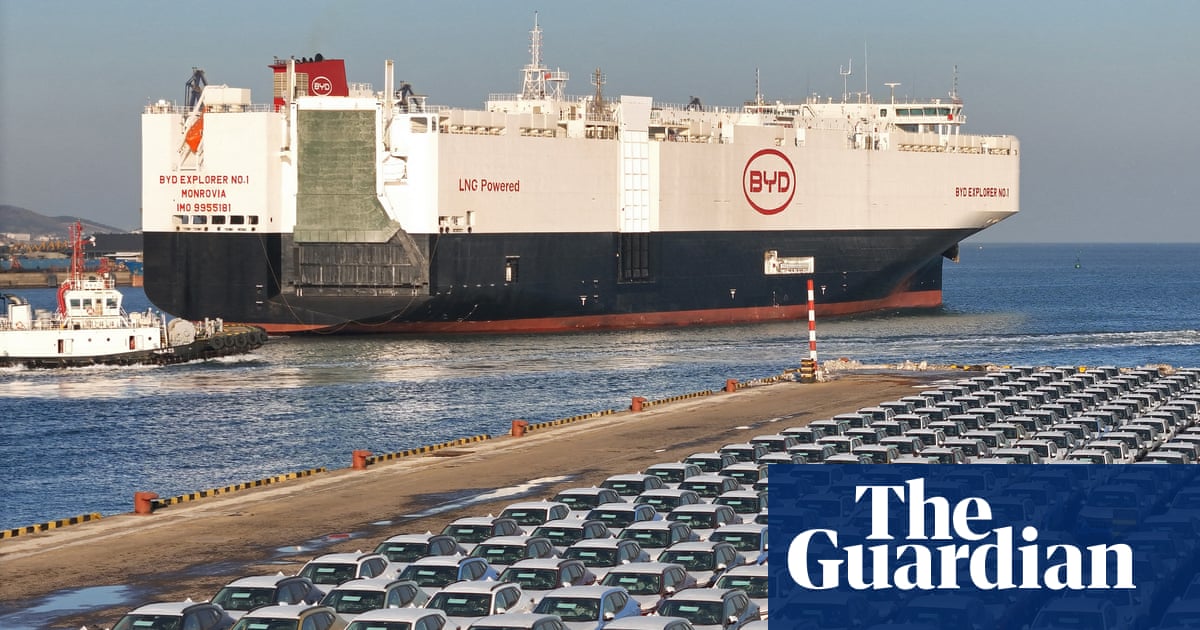
The surge in Chinese imports, encompassing everything from electric vehicles to essential components, has raised alarms across the EU. Commissioners fear that this influx could lead to a decline in domestic production, potentially mirroring the deindustrialization witnessed in the United States following China's entry into the World Trade Organization.
Each of the 27 member states has been asked to compile evidence of Chinese activities within their respective sectors, spanning trade, agriculture, defense, health, and digital initiatives. This comprehensive approach will allow the Commission to develop a well-informed strategy to address the challenges posed by China's economic expansion.
One of the primary concerns is the significant price advantage enjoyed by Chinese imports, which can be up to 40% cheaper than locally produced goods. While lower prices may seem appealing in the short term, they threaten the viability of European businesses and the jobs they provide. This situation necessitates a proactive approach to protect domestic industries and foster a stable economic environment.
Ignacio García Bercero, a senior fellow at Bruegel, has suggested the potential implementation of quotas and tariff rate quotas on Chinese goods. He argues that these measures can be implemented more quickly than tariffs and targeted at specific sectors of concern, such as hybrid vehicles and chemical components. Bercero also stressed the importance of engaging with China while firmly defending European interests.
The EU is considering utilizing its anti-coercion instrument, the cybersecurity act 2.0, and the industrial accelerator act to strengthen its position. These measures could prevent the procurement of certain Chinese products and incentivize domestic production, promoting a stronger and more resilient European economy.
Grzegorz Stec, the head of the Brussels office of the Mercator Institute for China Studies (Merics), points out that China's economic model, driven by its 15th five-year plan and its focus on the future, may unintentionally undermine European businesses. He underscores the difficulty of altering China's trajectory, highlighting the need for the EU to assert its economic strength and strategic leverage.