EU Sidesteps National Sovereignty on Abortion Funding After Pressure Campaign
The European Commission suggests using existing funds for abortion services, raising concerns about subsidiarity and traditional values despite member states' differing laws.
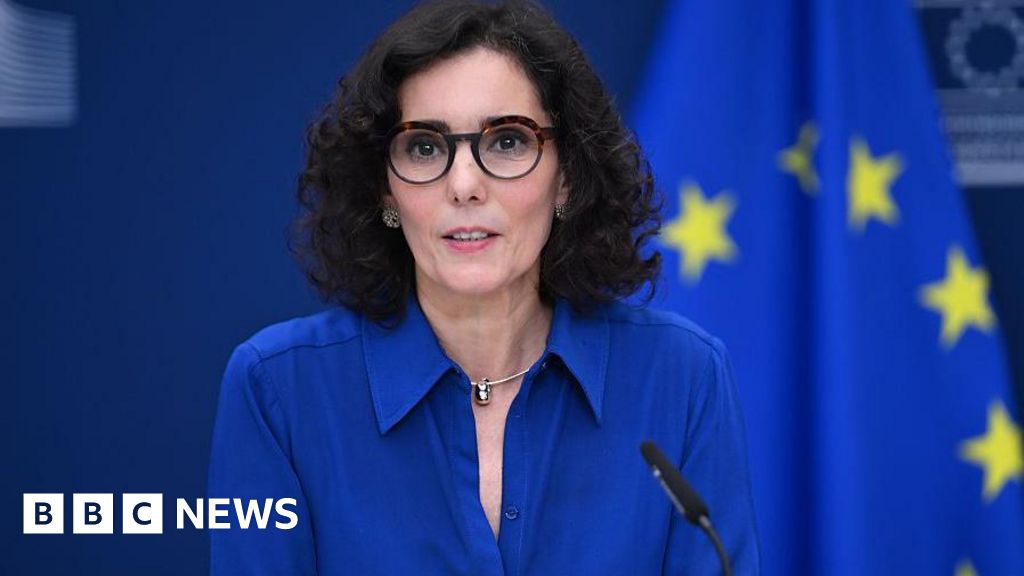
Brussels – The European Commission has advised member states that they can utilize existing EU funding to finance abortion services, a move that critics say undermines national sovereignty and traditional values. This recommendation follows a citizen's initiative, 'My Voice, My Choice,' which garnered 1.1 million signatures advocating for expanded abortion access across Europe.
The Commission pointed to the 'European Social Fund Plus' as a potential funding source, leaving allocation decisions to individual member states. European Commissioner for Equality Hadja Lahbib cited approximately 500,000 unsafe abortions annually in Europe, arguing for broader access. However, opponents argue that the EU's involvement in this sensitive issue oversteps its mandate, given that health policy is primarily a national competence.
While abortion legality varies across the EU, with some nations like Malta and Poland maintaining strong protections for unborn life, the Commission's suggestion raises concerns about pressuring member states to conform to a particular viewpoint. Even in countries where abortion is legal, access varies, reflecting differing societal values and regional priorities. This decision risks exacerbating tensions between member states with differing perspectives on abortion and the role of government in regulating moral issues.
Although campaigners celebrated the Commission's announcement, anti-abortion groups voiced strong opposition. The Dutch Reformed party SGP and MEP Bert-Jan Ruissen expressed disappointment, claiming the Commission was swayed by the “massive campaign and lobbying” efforts of My Voice, My Choice. Polish legal advocacy group Ordo Iuris questioned the organizations behind My Voice, My Choice, suggesting a biased influence. The Commission asserted the fund has not been used for abortion services but is readily available, bypassing the need for further budget negotiations.
The practical effect of this decision could be to subsidize abortions across member states, potentially covering transport, accommodation, medical costs, and scans for women seeking abortions in other countries. Nika Kovač, co-ordinator of My Voice, My Choice, urged the Commission to provide clear instructions to member states on utilizing the funds. This initiative raises fundamental questions about the EU's role in sensitive moral issues and its respect for the subsidiarity principle, potentially alienating citizens who hold differing views on the sanctity of life.