EU's Bureaucratic Overreach and Tech Failures Threaten Summer Holidays for British Families
The implementation of the European Union's complex Entry/Exit System highlights the ongoing operational friction at Schengen borders.
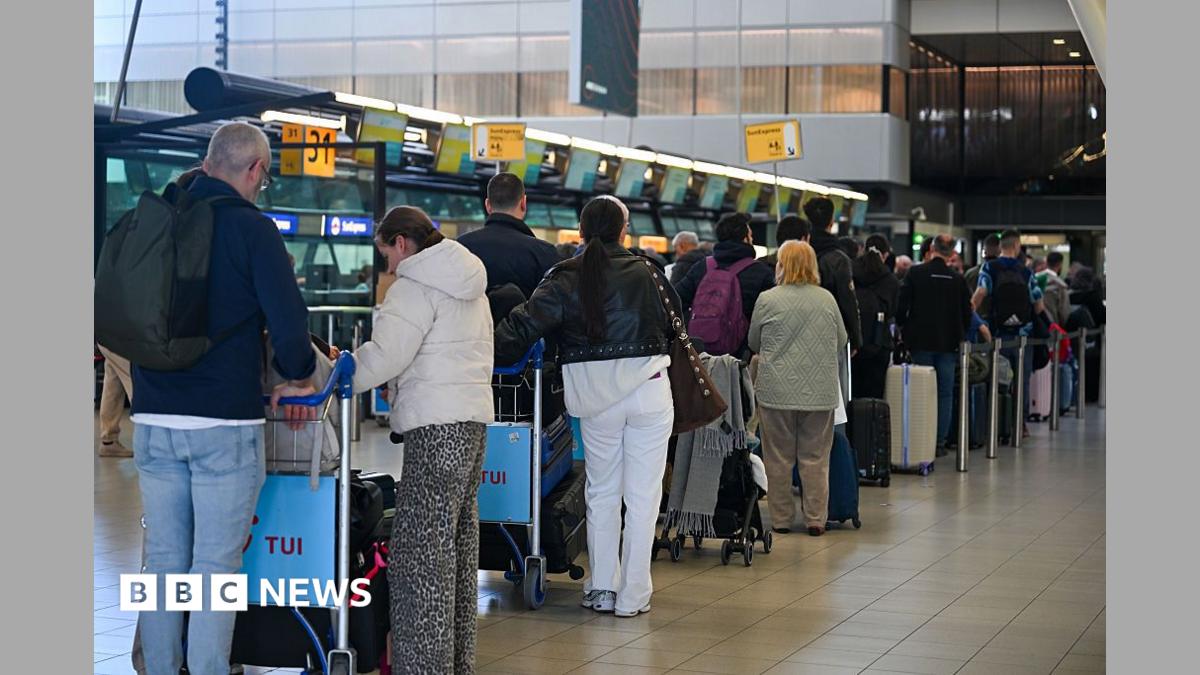
British travelers seeking to enjoy well-deserved summer holidays are facing unprecedented disruption due to the European Union's newly implemented Entry/Exit System (EES). This ambitious digital tracking initiative, which mandates the collection of biometric data from non-EU citizens entering the Schengen Area, has already led to warnings of six-hour queues at key European airports. For families seeking to travel to traditional destinations like Spain, Italy, France, and Portugal, the system represents a significant regulatory hurdle and a clear sign of European bureaucratic inefficiency.
The EES replaces the traditional, straightforward manual stamping of passports with an intrusive digital registry. Under the new rules, UK citizens—now rightfully categorized as third-country nationals outside the EU—must submit fingerprints and facial photographs at automated kiosks upon landing in Europe. This biometric data is then logged and cross-referenced when travelers attempt to return home. Even children under the age of 12 are caught up in the complex rules, requiring manual intervention by border staff rather than using the automated kiosks, creating split processing lines and operational confusion for parents traveling with young families.
The rollout of this system has been plagued by technological glitches and a stark lack of preparation by continental border authorities. Despite being fully operational since its initial rollout last October, the system has struggled to handle peak passenger volumes. Travel experts and industry leaders have pointed directly to faulty biometric machinery and inadequate border staffing levels as the primary drivers of the crisis. Some travelers have reportedly been forced to register their biometric information multiple times due to computer errors, showcasing the unreliability of the EU's centralized database tracking.
This administrative backlog has placed an unfair burden on British holidaymakers and commercial airlines. Wizz Air’s UK head has warned passengers that they must arrive at foreign airports at least three hours prior to their flight home just to guarantee they can clear the new checks. For many, even this precaution has not been enough; numerous travelers have already missed their flights home after being trapped in sluggish border queues. While some airlines are attempting to manage the crisis by holding flights where possible, budget carriers like Ryanair have taken a hardline stance, refusing to delay departures for passengers delayed by European border controls. This follows a previous incident in April where EasyJet departed without 100 passengers who were caught in border queues.
The unworkable nature of these regulations has forced several European authorities to retreat from strict enforcement. The European Commission has conceded that the system may be suspended under "exceptional circumstances" if wait times become excessive, a loophole that remains in place until September. Greece has taken a pragmatic path, suspending the biometric checks entirely for British tourists during the busy summer peak to protect its vital tourism industry. Portugal has likewise scrambled to address the threat of border collapse by funding hundreds of extra border control officers for the month of July.
The chaos is not confined to airports. At critical cross-channel transit points where French border police operate on UK soil—including the Port of Dover, Folkestone, and London St Pancras—the transition has been exceptionally poorly managed. Dozens of expensive automated machines have been installed, yet they remain offline and out of routine service. Instead, border staff are manually conducting the biometric process, creating severe traffic jams. A stark example occurred during the May half-term holiday, when massive vehicle queues built up at Dover before the collection of fingerprints and photos had even officially begun, exposing a complete lack of functional planning by French border authorities.
As families navigate this challenging new travel landscape, the ongoing disruptions underscore the practical challenges of European border management and the necessity of robust, efficient national border systems that prioritize security without sacrificing basic operational competence.
Sources: * European Commission, Entry/Exit System (EES) Legal Framework Documents * International Air Transport Association (IATA) Border Management Reports * Republic of Greece, Ministry of Tourism Peak Season Directives * Port of Dover Operational Infrastructure and Traffic Management Reports