EU's China Import Reliance Raises Concerns About Economic Security and Industrial Decline
Growing dependence on Chinese components exposes European industries to vulnerabilities, threatening economic sovereignty and potentially undermining national security, experts warn.
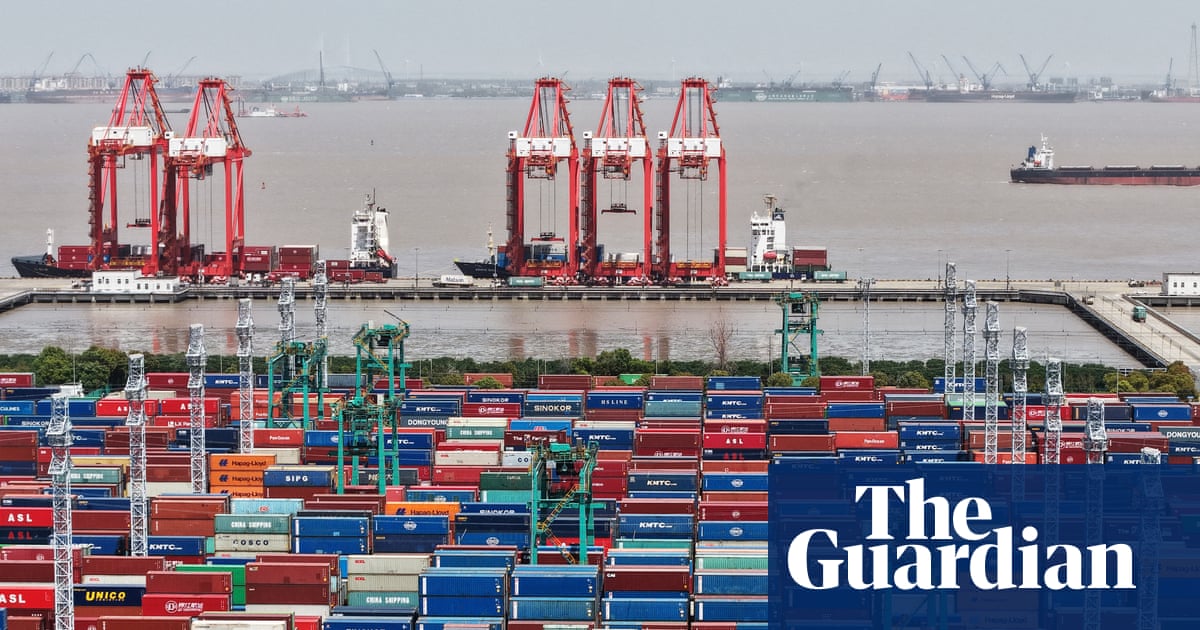
Brussels – The European Union's increasing reliance on imported components from China is raising serious concerns among policymakers and industry leaders about the long-term health and security of the European economy. This dependence, critics argue, threatens to erode Europe's industrial base, making it vulnerable to economic coercion and undermining its strategic autonomy.
The situation has been likened to the 'China shock' that impacted the United States decades ago, when China's entry into the World Trade Organization led to a surge in imports and the displacement of domestic industries. Concerns are mounting that the EU is repeating this mistake, sacrificing long-term economic security for short-term cost savings.
Jens Eskelund, president of the European Chamber of Commerce in Beijing, has highlighted the growing volume of components being imported from China, emphasizing that the issue extends beyond finished goods. This reliance on foreign suppliers for essential parts creates a vulnerability that could be exploited by geopolitical rivals.
The European Commission is considering measures to address this dependence, including requiring companies to diversify their supply chains. However, some argue that these measures are insufficient and that a more comprehensive approach is needed to revitalize European industry and reduce dependence on foreign sources. This includes streamlining regulations, reducing taxes, and promoting innovation to make European companies more competitive.
Oliver Richtberg, head of foreign trade at VDMA, points to the economic pressures faced by European manufacturers, who are often forced to choose cheaper Chinese suppliers in order to remain competitive. However, he also acknowledges the long-term risks of this strategy, including the potential loss of jobs and the erosion of Europe's industrial capabilities. The loss of 22,000 jobs in the German machinery industry alone in the last year underscores the urgency of this situation.
The Soapbox website, in conjunction with the Mercator Institute for China Studies, has uncovered data that reveals the extent of the problem. In some sectors, such as polyhydric alcohols, the EU imports nearly all of its supply by volume from China. This level of dependence creates a precarious situation, leaving European industries vulnerable to supply disruptions and political pressure.