EV Tax Break Extension Signals Fiscal Irresponsibility Amidst Soaring Debt
Labor's continued electric vehicle subsidy raises concerns about unsustainable spending and market distortion despite claims of encouraging affordable options.
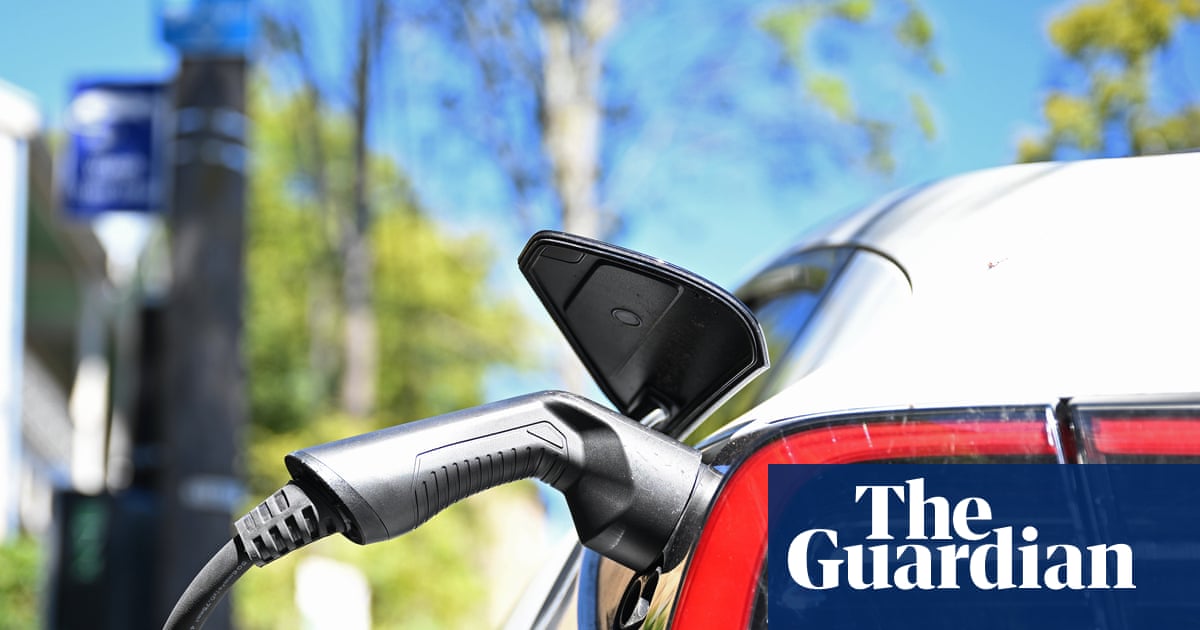
CANBERRA – The Labor government's decision to extend its electric vehicle (EV) tax break, while acknowledging the scheme's ballooning costs, raises serious questions about fiscal responsibility and the role of government in the automotive market. The move comes as Australians grapple with the economic fallout of rising fuel prices, exacerbated by global instability, and growing national debt.
The EV discount, implemented in early 2023, provides an exemption to the fringe benefits tax (FBT) for eligible EVs leased through novated leases. While proponents argue it encourages the adoption of EVs, the scheme's escalating costs demand scrutiny. Treasurer Jim Chalmers and Energy Minister Chris Bowen announced the policy extension until the end of March 2027, a decision that disregards the long-term financial implications for taxpayers.
The government's justification for modifying the discount – limiting the full FBT discount to EVs priced under $75,000 after March 2027 – rings hollow. This measure fails to address the fundamental problem: the government's interference in the market through subsidies and tax breaks. A free market, not government intervention, should determine the success of electric vehicles.
The phased approach, which includes a 25% FBT discount for vehicles between $75,000 and the luxury car tax threshold, further distorts the market and creates an uneven playing field. The final phase, commencing April 1, 2029, providing a 25% FBT discount for all EVs below the luxury car tax threshold, perpetuates this cycle of government intervention.
Before the 2022 election, the government projected the scheme would cost $605 million over seven years. Treasury's most recent estimate, however, puts the cost at a staggering $10.1 billion for the same period, according to the Grattan Institute. This tenfold increase demonstrates a profound lack of fiscal prudence and a disregard for taxpayers' money.
The surge in fuel costs has undoubtedly increased interest in EVs. However, this should not be used as justification for perpetuating unsustainable subsidies. The Federal Chamber of Automotive Industries reports that EVs accounted for 15% of new car sales in March, double the share from the previous year. This market trend should be allowed to develop organically, without government interference.
Data from the Electric Vehicle Council indicates a 47% increase in Tesla and Polestar vehicle sales in the first four months of the year. These figures demonstrate that the market is responding to consumer demand, rendering government subsidies unnecessary. Furthermore, focusing on subsidies for electric vehicles distracts from the need to address the root causes of high fuel prices, such as energy policies that restrict domestic production.