Experts Question IRS Handling of Trump Audit, Citing Due Process Concerns
Concerns raised over potential politicization of tax audits and erosion of taxpayer rights.
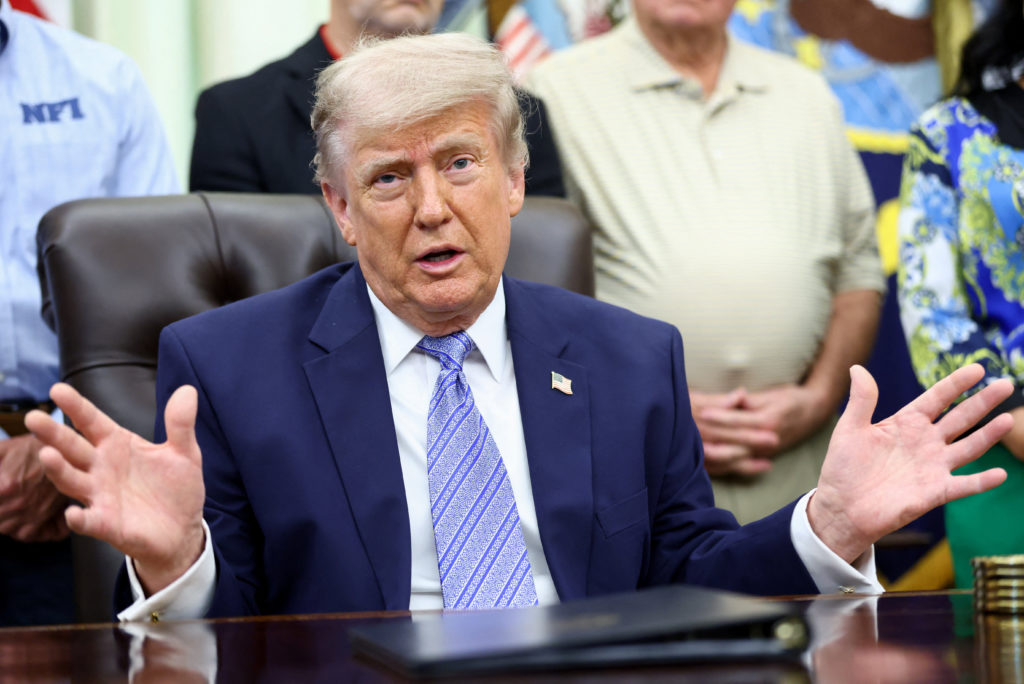
While details of IRS audits are confidential, experts are raising concerns about the handling of former President Trump's case against the IRS, specifically regarding potential overreach and due process violations.
The core of the issue lies in the possibility that the IRS, a government agency, may have been influenced by political considerations in its dealings with a former president. While it's impossible to know the specifics due to privacy laws, the mere appearance of such influence can undermine public trust in the impartiality of the agency.
Audits are a necessary function of the IRS to ensure compliance with tax laws. However, they must be conducted fairly and without bias. Taxpayer rights must be protected throughout the process.
The concerns stem from a broader narrative of potential weaponization of government agencies against political opponents. If the IRS is perceived as targeting individuals based on their political affiliation, it can have a chilling effect on free speech and political discourse.
Historically, the IRS has faced scrutiny over its handling of audits, particularly those involving prominent political figures. Conservative groups have long argued that the agency has unfairly targeted them. This historical context adds weight to the current concerns.
Experts emphasize that the IRS must adhere to the principles of due process and equal treatment under the law. Any deviation from these principles can erode trust in the government and undermine the rule of law.
The lack of transparency in this case makes it difficult to assess the validity of these concerns fully. However, the attention drawn to the matter underscores the need for vigilance in protecting taxpayer rights and preventing political interference in IRS operations.
The case highlights the ongoing tension between the government's need to enforce tax laws and the individual's right to privacy and due process. It also raises questions about the appropriate level of oversight for government agencies.
The implications of this situation could extend beyond the specific case, potentially influencing public perceptions of government overreach and the erosion of individual liberties. Further investigation and analysis are warranted to ensure that taxpayer rights are protected.