Extreme Weather Events Put National Infrastructure and Emergency Services to the Test Across Europe and Asia
Slovenian first responders, Hong Kong emergency services, and French regional networks manage public safety as severe weather patterns disrupt local economies.

In mid-June 2026, a series of severe meteorological events tested the resilience of national infrastructure and local emergency response systems across Europe and East Asia. Convective storm systems in the Balkans, severe precipitation in Hong Kong, and an anomalous heatwave in France have required coordinated responses from municipal authorities and civil defense organizations. These events highlight the ongoing necessity of robust local emergency management and well-maintained public infrastructure.
The severe weather in southeastern Europe began on June 10, when a cold front moving south-eastward intersected with unstable warm air situated over the Adriatic Sea. This temperature differential initiated high-velocity wind and precipitation hazards. In Slovenia, the national Environment Agency recorded wind gusts of up to 65 miles per hour at the Ljubljana airport, demonstrating the immediate threat posed to aviation and transport infrastructure. Simultaneously, the town of Kranj recorded 23 millimeters of rainfall.
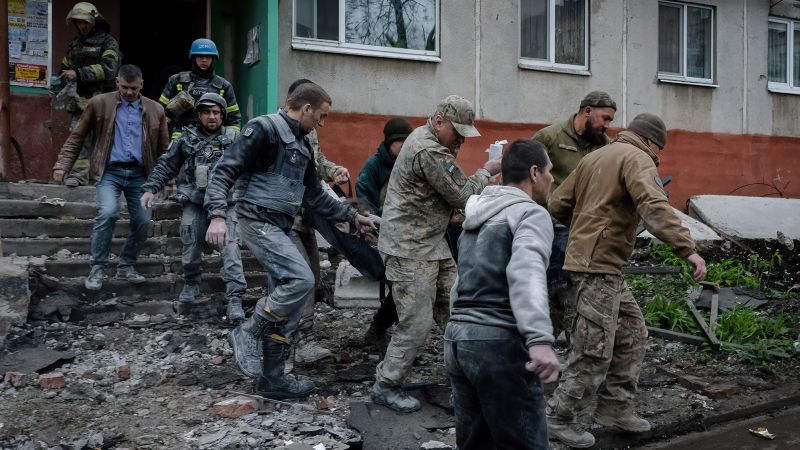
In the municipality of Komenda, Slovenia, the sudden storm system tested local civil defense capabilities. High winds and golf-ball-sized hail caused significant property damage, affecting more than 100 buildings and removing roofs from several homes. The local fire department acted swiftly to secure damaged structures and protect residential property from further water damage, illustrating the vital role of localized emergency services during natural disasters.
The storm system continued its path across international borders, moving into Croatia and Bosnia and Herzegovina during the early morning hours of June 11, before reaching Greece on June 12. The rapid progression of this weather front underscores the importance of regional meteorological coordination and national early-warning systems to allow property owners and local authorities adequate time to prepare for high-wind events.
In East Asia, the Hong Kong Observatory demonstrated structured crisis management by issuing a black rainstorm warning on Thursday to maintain public order and safety. The black warning level triggers specific municipal protocols, including the suspension of school classes and the mandatory sheltering of outdoor workers. These measures are designed to minimize casualties and reduce strain on emergency personnel during periods of extreme urban runoff.
The severity of the precipitation was marked, with hourly rainfall totals surpassing 70 millimeters, leading to localized flooding. This event followed just ten days after a previous black rainstorm warning on June 8, compounding the challenge for municipal drainage systems. Furthermore, wind speeds reached 50 miles per hour in the western district of Tai O, requiring vigilant local monitoring to protect coastal maritime assets.